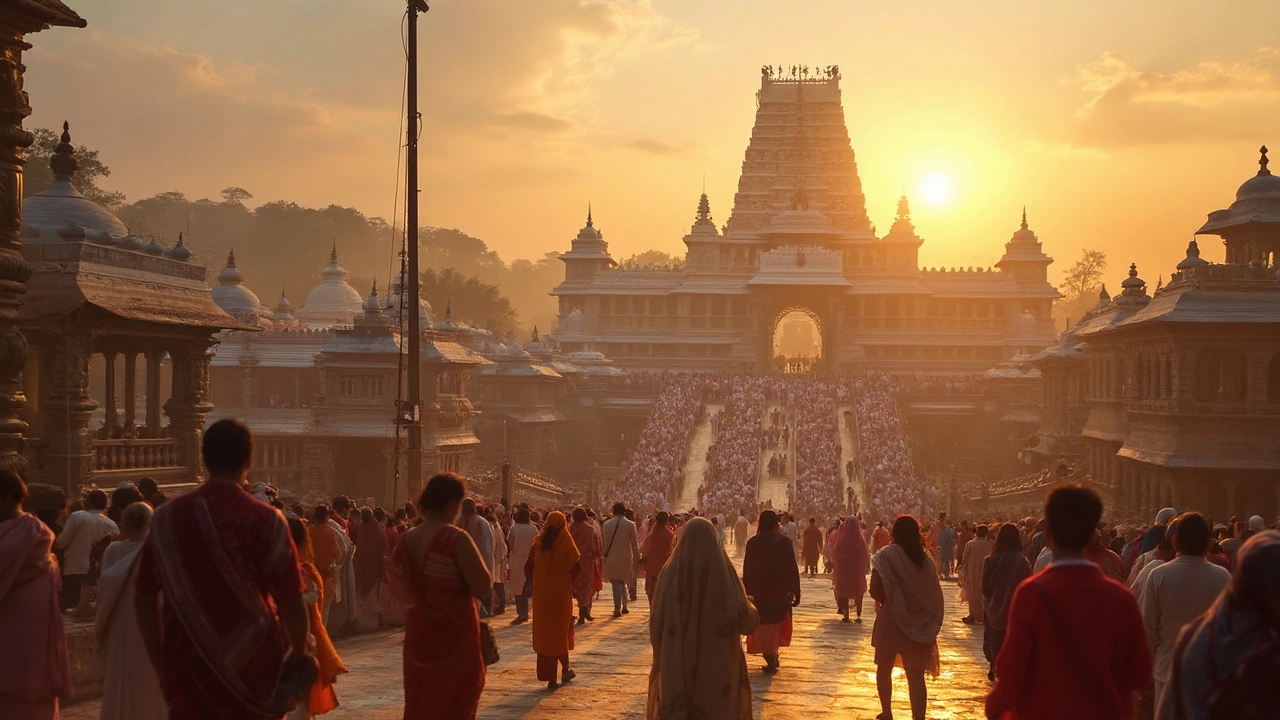
Temple Travel Tips: How to Respectfully Visit Hindu Temples in India
When you visit a Hindu temple, a sacred space in Hinduism where devotees offer prayers, perform rituals, and connect with the divine. Also known as mandir, it’s not just a building—it’s a living part of daily spiritual life in India. Many tourists walk in without knowing the unwritten rules, and that’s okay—but learning them helps you avoid awkward moments and shows real respect.
Temple travel tips start with simple things: take off your shoes before stepping inside. It’s not a suggestion—it’s expected. You’ll see piles of footwear near every entrance. Cover your shoulders and knees. No tank tops, shorts, or revealing clothes. Women often wear saris or long skirts; men wear trousers or knee-length dhotis. You don’t need to buy anything special, but showing up dressed like you’re going to church—not the beach—makes a difference. Photography is tricky. Some temples allow it, some don’t. Always look for signs or ask quietly. Never point your feet at the deity. That’s considered rude. And never touch the idols or offerings. Even if you’re curious, keep your hands to yourself.
Another key thing: food. Many temples give out prasad, blessed food offered to the deity and then shared with visitors. Accept it with both hands, bow slightly, and eat it there or take it home. Don’t refuse it—it’s a gift, not a snack. If you’re not sure what to do, watch others. Most locals will quietly follow the same steps: wash hands, ring the bell, offer flowers, bow, and step back. You don’t need to pray in Sanskrit or know every god’s name. Just be quiet, be present, and be polite.
Some temples, like Tirupati or Varanasi, get millions of visitors a year. Others, tucked into hillside villages, see only a few. The rules might feel different, but the core is the same: treat the space like someone’s home. You wouldn’t barge into a stranger’s living room with loud music and bare feet. Don’t do it in a temple either. The temple dress code India, the unwritten standard of modesty and cleanliness expected at Hindu places of worship exists for a reason—it keeps the space sacred for those who come to worship, not just to snap photos.
And yes, you’ll see people selling flowers, incense, and souvenirs outside. That’s fine. But don’t feel pressured to buy. Your presence and respect matter more than your spending. If you’re planning a temple tour India, a journey focused on visiting Hindu temples across the country, often as part of a spiritual or cultural itinerary, remember this: the most powerful moments aren’t the biggest shrines—they’re the quiet ones where you sit still, listen, and just observe.
Below, you’ll find real stories and practical advice from travelers who’ve walked these paths. Whether you’re visiting a temple in Kerala, Tamil Nadu, or Ladakh, these tips will help you move through sacred spaces with confidence—and kindness.