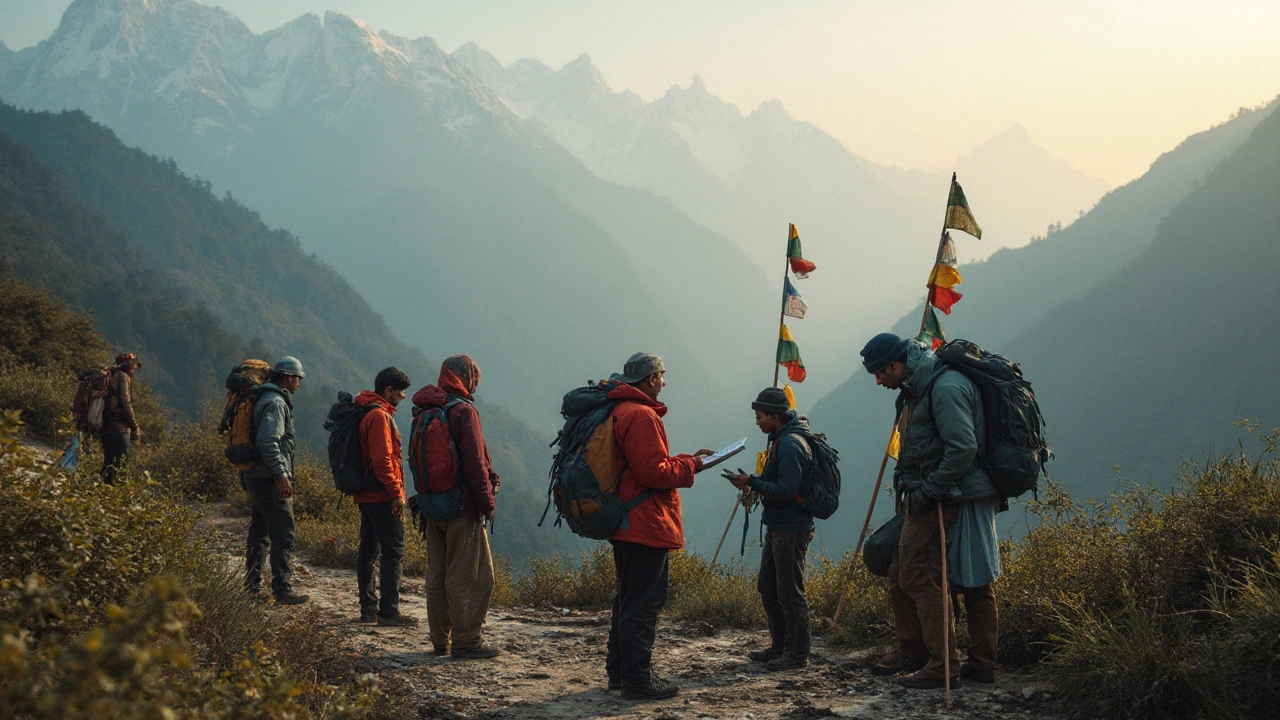
Trekking Safety in India: Essential Tips for Hiking Trails
When you hit the trails in India, trekking safety, the practice of preparing for and avoiding dangers while hiking in rugged terrain isn’t just advice—it’s your lifeline. India’s mountains, forests, and high-altitude passes offer unforgettable views, but they also come with real risks: sudden weather shifts, unstable paths, and remote areas where help is hours away. Whether you’re walking through the Himalayas or exploring the Western Ghats, knowing what to watch for can mean the difference between a great adventure and a dangerous situation.
hiking safety India, the set of practices that reduce risks on Indian trails starts before you even lace up your boots. Many accidents happen because people underestimate altitude sickness, wear the wrong shoes, or hike alone without telling anyone their route. In places like Ladakh or Uttarakhand, the air is thin, and symptoms like dizziness or nausea can sneak up fast. Then there’s the monsoon—rains turn dirt paths into mudslides and trigger landslides in the hills. And don’t assume all trails are marked. Some of the most beautiful routes have no signs, no cell service, and no rescue teams nearby. That’s why carrying a map, extra food, and a basic first-aid kit isn’t optional—it’s basic sense.
India trekking hazards, the specific dangers unique to Indian hiking environments include everything from unregulated guides to wildlife encounters. In the south, leeches and venomous snakes are common on jungle trails. In the north, sudden snowstorms can trap hikers above 4,000 meters. Even something as simple as drinking untreated water can lead to weeks of illness. And while most locals are helpful, not every guide has training. Always ask for credentials, check reviews, and never rely on a stranger’s word alone. The best way to avoid dangerous trekking situations, scenarios that lead to injury or rescue calls on Indian trails is to plan ahead, travel with a partner, and respect the environment—not just for your safety, but for everyone who comes after you.
You’ll find real stories in the posts below—people who got caught in rainstorms on the Kedarkantha trail, hikers who ignored warning signs near Roopkund, and others who made it through safely because they packed the right gear and listened to local advice. These aren’t hypotheticals. These are lessons learned the hard way. Whether you’re a first-time trekker or a seasoned hiker, the tips here will help you avoid the mistakes others made. No fluff. No guesswork. Just what you need to know before you step onto the trail.