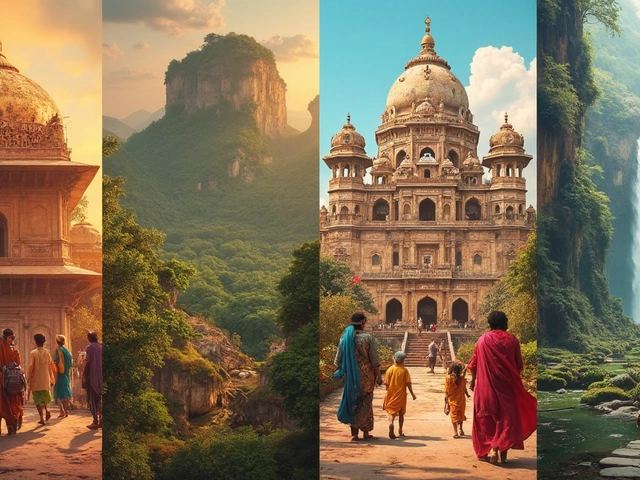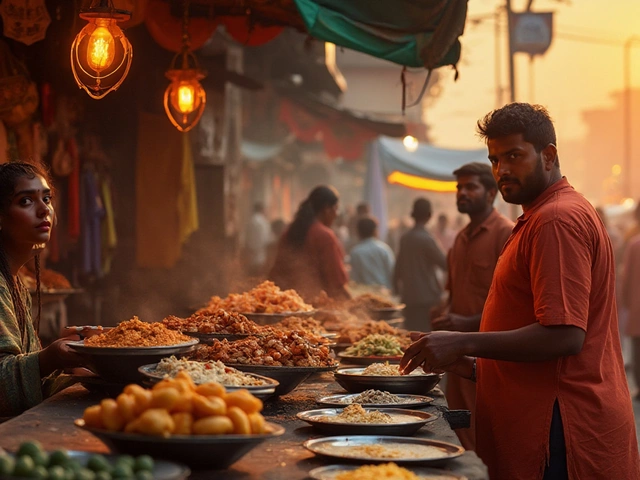
North East India Travel Readiness Tool
Trip Analysis
Select your destinations to see the logistical impact...
Key Takeaways
- Infrastructure gaps in roads and public transport make travel slow and tiring.
- Complex permit systems (ILP) create a barrier for spontaneous travelers.
- Over-tourism in specific spots like Tawang or Shillong threatens local ecology.
- Seasonal weather, especially during the monsoon, can shut down entire routes.
- A lack of standardized hospitality services affects the luxury travel experience.
The Logistics Nightmare: Roads and Connectivity
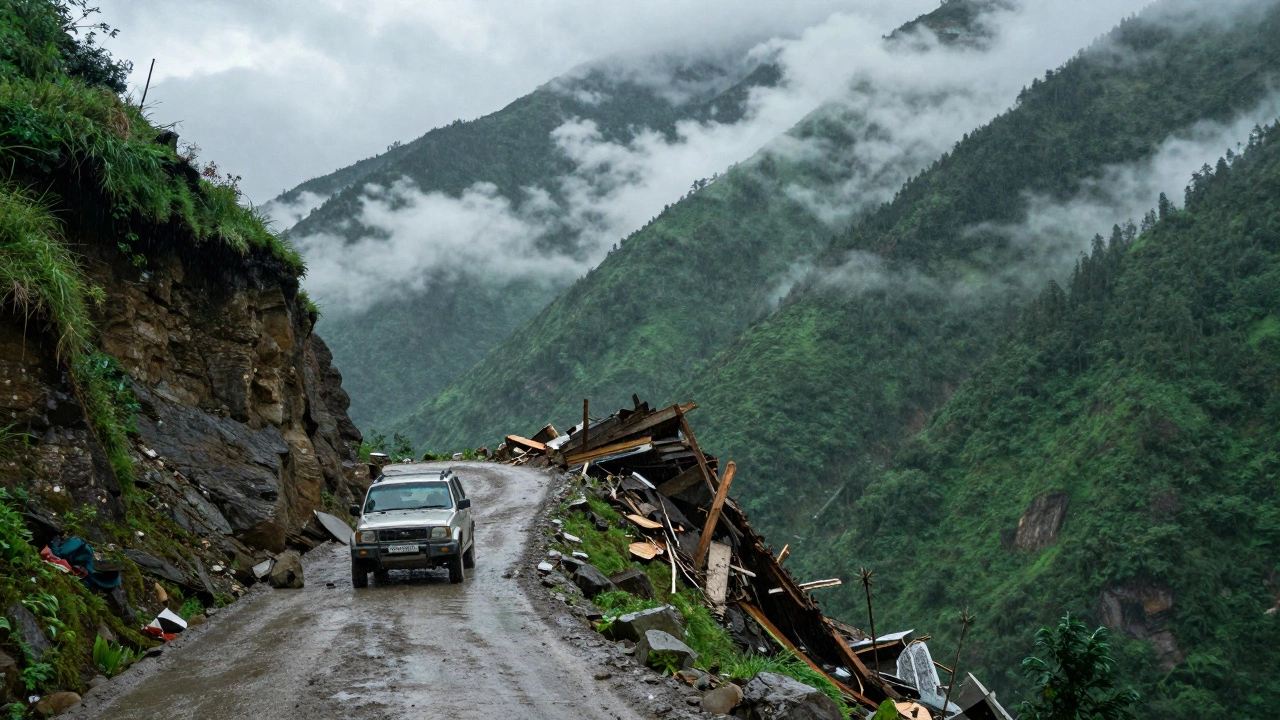
Let's be honest-getting around the North East India region can be an endurance test. While the government has poured money into highways, the reality on the ground is different. You might be cruising on a smooth road one minute, and the next, you are facing a landslide-prone cliffside path that barely fits one car. Infrastructure is the biggest hurdle. In states like Arunachal Pradesh, the terrain is so rugged that road construction is a constant battle against nature. When the monsoon hits, these roads don't just get muddy; they often vanish. This makes North East India tourism feel like a gamble during the rainy season. If a bridge washes away in a remote part of Nagaland, you aren't just delayed-you are stranded. Public transport is another story. While there are buses, they are often overcrowded and run on "flexible" schedules. For most visitors, the only real option is hiring a private driver. This puts a high financial burden on budget travelers and creates a dependency on a few local operators who may not always be professional.
The Paperwork Wall: Permits and Bureaucracy
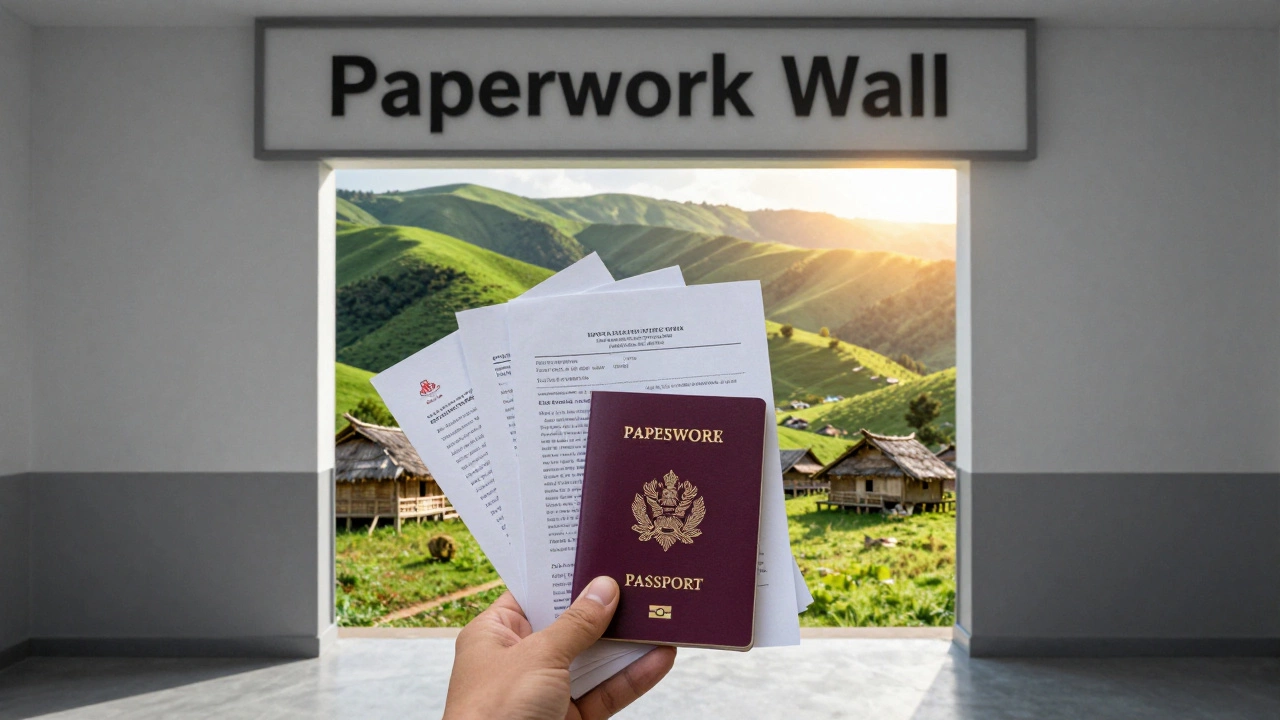
Ever felt like you were applying for a visa for a different country, even though you're still within India? That is what the Inner Line Permit (or ILP) feels like. It is a travel document required for domestic and foreign tourists to enter specific protected areas. Why does this exist? It is designed to protect indigenous tribes from outside influence and maintain security in border regions. While the intent is noble, the execution is a bureaucratic maze. If you want to visit the Ziro Valley or the high altitudes of Tawang, you can't just show up. You need to apply for these permits in advance, often dealing with clunky government portals or relying on local agents. For a modern traveler used to booking a hotel and a flight and just "winging it," this creates a massive psychological barrier. The lack of a unified, digital, and instant permit system across all Seven Sisters means that a trip to three different states might require three different sets of paperwork. It kills the spirit of spontaneous exploration.
The Paradox of Over-tourism and Under-development
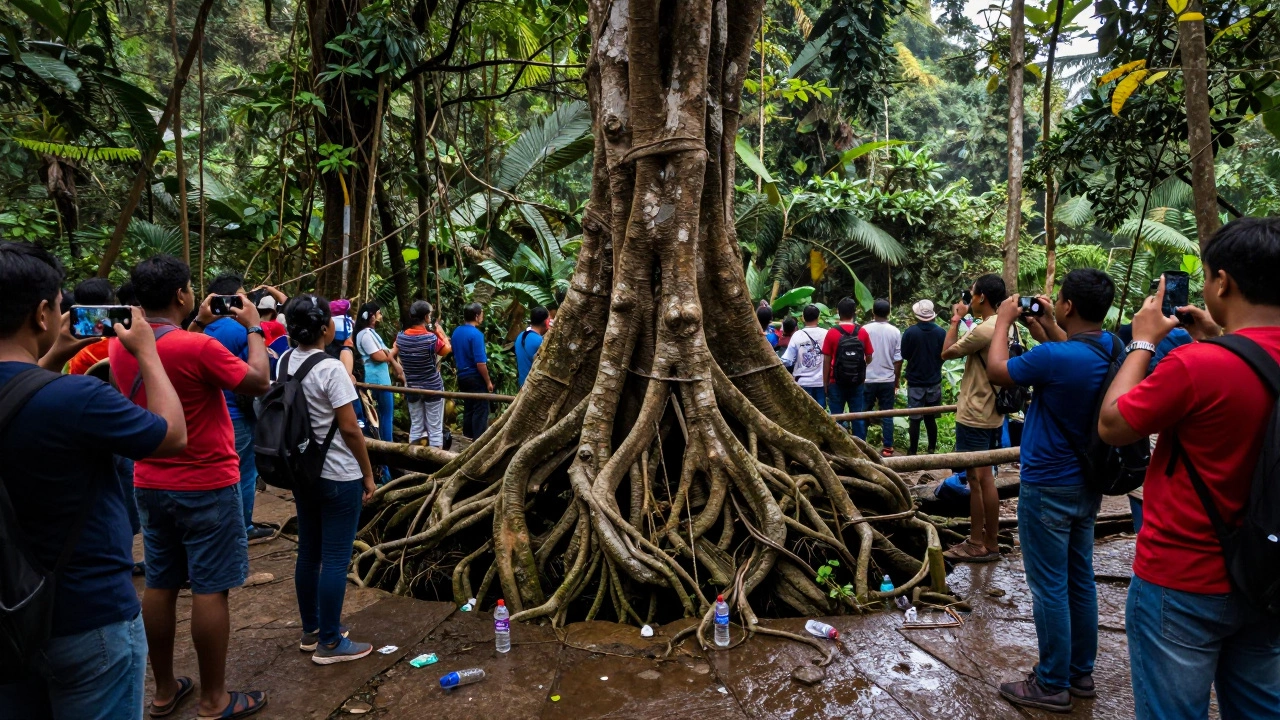
It sounds strange to talk about over-tourism in a region that feels so empty, but that is exactly the problem. The tourism in the North East is heavily concentrated in a few "hotspots." Take Shillong, the capital of Meghalaya. During peak seasons, this "Scotland of the East" suffers from massive traffic jams and a waste management crisis that the city simply wasn't built to handle. Meanwhile, just a few hours away, there are villages with breathtaking waterfalls and ancient traditions that haven't seen a single tourist in years. This imbalance creates a few "honey pots" that are being stripped of their charm by crowds, while the rest of the region misses out on the economic benefits. When too many people hit a fragile ecosystem-like the living root bridges in Meghalaya-the physical structure starts to degrade. We are seeing a shift where the environment is being sacrificed for a few "Instagrammable" shots. Without a strategy to spread the crowds, the very beauty people come to see will be eroded.
| Constraint | Impact on Traveler | Primary Affected State | Urgency Level |
|---|---|---|---|
| Permit Requirements | High planning effort; restricts spontaneity | Arunachal Pradesh / Nagaland | High |
| Road Conditions | Increased travel time; safety risks | Mizoram / Arunachal Pradesh | Critical |
| Hospitality Gap | Lack of luxury/standardized stays | Tripura / Manipur | Medium |
| Seasonal Access | Total closures during monsoons | Meghalaya / Sikkim | High |
The Hospitality Gap: From Homestays to High-Ends
If you are looking for a five-star resort with a spa and a 24-hour concierge, you are going to struggle in most parts of the North East. There is a glaring gap in the Hospitality Industry. Most of the accommodation falls into two extremes: very basic homestays or a few expensive, outdated hotels. Homestays are the heart and soul of the region. They offer an authentic experience, and the food is usually incredible. However, for a traveler who isn't comfortable with a shared bathroom or a lack of consistent hot water, these can be a shock. On the other end, the few "luxury" hotels often lack the service standards found in Delhi or Mumbai, despite charging similar prices. This isn't just about fancy sheets; it's about basic services. Consistent electricity and high-speed internet are still luxuries in the highlands. If you are a "digital nomad" trying to work from a cafe in Kohima, you will quickly find that the power outages are frequent and the Wi-Fi is temperamental. This prevents the region from attracting a higher-spending, longer-stay demographic that could actually fund sustainable growth.
Environmental Fragility and the Monsoon Menace
The Himalayas and the surrounding hills are not static; they are alive and volatile. The region is one of the wettest places on earth. While the rain makes everything lush, it is also the biggest enemy of tourism. During the monsoon (roughly June to September), the region transforms. Landslides aren't just a possibility; they are a certainty. Entire highways can be blocked for days, leaving tourists stranded in remote villages. This seasonality creates a "boom and bust" economy for local guides and hotel owners. They make all their money in three months and struggle for the other nine. Moreover, the increase in plastic waste is becoming a visible scar. Because there is no centralized, industrial-scale waste management system in these hilly terrains, plastic bottles and wrappers end up in the riverbeds and forests. The "pristine" nature is being chipped away by the very people who claim to love it. Without a strict "leave no trace" policy enforced by the government, the ecology will hit a breaking point.
Political Instability and Perceived Risk
We can't talk about the North East without mentioning the elephant in the room: security. For decades, the region has dealt with insurgency and ethnic tensions. While the situation has improved drastically over the last ten years, the perception of danger remains. Many travelers still hesitate because they read old news reports about "disturbed areas." Even today, occasional strikes (bandhs) or localized protests can bring a city to a standstill. If a sudden strike is called in Imphal, the markets close, transport stops, and you are effectively stuck in your hotel. This instability makes it hard for international hotel chains or large tour operators to invest. Why build a massive resort if there is a risk of political unrest? This lack of investment keeps the infrastructure stagnant, which in turn keeps the region feeling "remote" and "risky," creating a vicious cycle that is hard to break.
Do I really need a permit to visit the North East?
It depends on the state. You don't need a permit for Assam or Meghalaya, but you definitely need an Inner Line Permit (ILP) for Arunachal Pradesh, Nagaland, Mizoram, and parts of Sikkim. Always check the latest government guidelines before you travel, as rules change frequently.
What is the best time to visit to avoid the biggest problems?
The window from October to April is your best bet. The weather is stable, the roads are generally open, and you avoid the monsoon landslides. Spring (March-April) is particularly great for seeing the cherry blossoms in Shillong.
Is it safe for solo female travelers?
Generally, yes. People in the North East are known for being incredibly hospitable and respectful. However, due to the remote nature of the terrain and limited transport, it is always smarter to travel with a local guide or join a small group tour for safety and logistics.
Are the roads actually that bad?
They vary. Major highways are improving, but "last-mile" connectivity to remote villages is often poor. Expect bumpy rides, steep climbs, and occasional diversions. A sturdy SUV is practically a requirement for this region.
Why is there so little luxury accommodation?
A combination of difficult terrain, logistical costs of transporting materials, and the perceived political risk has deterred big hotel chains. Most growth has happened in the boutique and homestay sector, which focuses more on experience than luxury.
What to do next?
If you are still keen on visiting despite these hurdles, the secret is flexibility. Don't book every single hour of your trip. Leave a few "buffer days" in your itinerary for unexpected road closures or permit delays. For those on a budget, embrace the homestay culture. Not only is it cheaper, but it's also the only way to truly understand the local customs. If you are a luxury traveler, focus your trip on the more developed hubs like Guwahati or Shillong, and use a specialized luxury tour operator for the remote parts-they have the connections to find the few high-end pockets that exist. Lastly, travel with a mindset of conservation. Bring your own reusable water bottles and avoid leaving any trash behind. The North East is one of the last truly wild places in India; let's make sure it stays that way.