Plan Your Natural Heritage Visit
Select a site below to reveal detailed visitor information, best times to go, and what to expect.
Best Time to Visit
Key Wildlife & Features
India is famous for its ancient forts, colorful temples, and bustling cities. But if you look past the stone structures, you will find something equally impressive. The country holds seven specific locations recognized by UNESCO as Natural Heritage Sites. These are not just pretty parks. They are places where nature has done the building, creating ecosystems so unique that the world agrees they must be protected forever.
You might think of the Taj Mahal when you hear "heritage site." That is a Cultural Heritage Site. The seven we are talking about here are different. They are defined by their geological formations, biodiversity, and ecological processes. From the tigers of the northeast to the ever-changing mangroves of the west, these sites represent the raw power of the Indian subcontinent.
Why Do We Have Only Seven?
It is easy to assume that because India is huge and biodiverse, it would have dozens of natural heritage sites. In reality, the number is quite small compared to its cultural sites. Why? Because the criteria for becoming a World Heritage Site are incredibly strict.
To qualify, a place must demonstrate "outstanding universal value." It needs to contain the most important natural habitats for the in-situ conservation of biological diversity. Or, it must be an outstanding example of significant stages of Earth's history. Many beautiful national parks in India do not meet this high bar. They are protected locally or nationally, but they don't yet have the global significance required by UNESCO. This makes the existing seven even more special. They are the gold standard.
The Seven Natural Heritage Sites Explained
Let’s walk through each one. Knowing what makes them unique helps you understand why they matter, whether you plan to visit or just want to appreciate them from afar.
1. Manas Wildlife Sanctuary (Assam)
Manas National Park is a UNESCO Natural Heritage Site located on the banks of the Manas River in Assam. Added to the list in 1985, it was actually removed in 1992 due to poaching and political instability. It took years of hard work by local authorities and conservationists to get it back on the list in 2011. This comeback story is part of its identity.
What makes Manas special? It is a critical habitat for the endangered Bengal tiger, the one-horned rhinoceros, and the pygmy hog. The landscape varies from alluvial grasslands to dense forests. If you go there, you are likely to see elephants roaming freely. It is also a key stopover for migratory birds. The park serves as a buffer zone between India and Bhutan, making its ecological role vital for the entire region.
2. Kaziranga National Park (Assam)
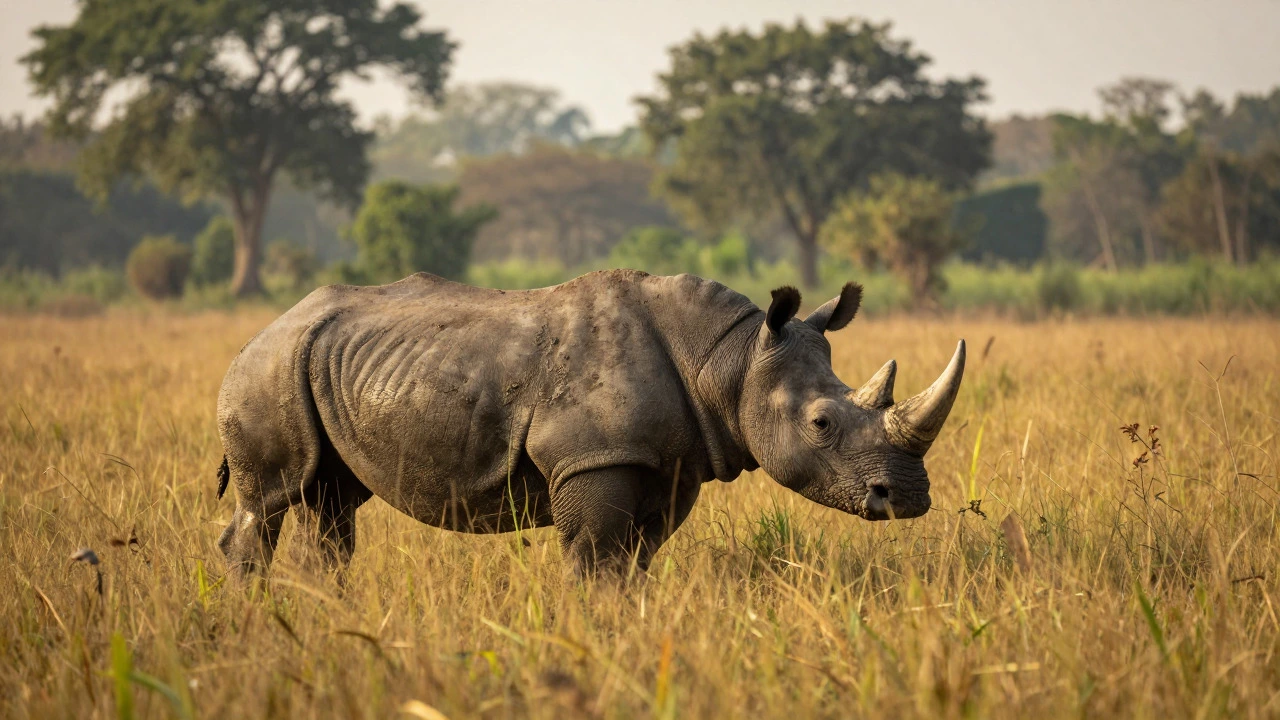
Also in Assam, Kaziranga National Park is home to two-thirds of the world's great one-horned rhinoceroses. Inscribed in 1985, it is perhaps the most famous natural site in India for wildlife enthusiasts. The park consists of tall elephant grass, marshlands, and tropical moist broadleaf forests.
The density of large mammals here is unmatched anywhere else on Earth. You can see wild water buffalo, swamp deer, and tigers in close proximity. The Brahmaputra River floods the area every year, reshaping the terrain and keeping the ecosystem dynamic. Visiting Kaziranga usually involves jeep safaris in the morning and evening. It is a rugged experience, often muddy, but seeing a rhino up close is worth the discomfort.
3. Keoladeo Ghana National Park (Rajasthan)
Located in Bharatpur, Rajasthan, Keoladeo National Park is a wetland sanctuary that was once a hunting reserve for Maharajas. It joined the list in 1985. Unlike the jungles of Assam, this is a flat, open landscape of lakes, marshes, and grasslands. It looks almost like a garden in some parts.
This park is a birdwatcher’s paradise. Every winter, thousands of migratory birds arrive from as far away as Siberia, Afghanistan, and Iran. The Siberian crane, though now critically rare, used to be a major draw. Today, you will see pelicans, storks, herons, and egrets in stunning numbers. The best time to visit is between November and February. The silence here, broken only by bird calls, is profound.
4. Nanda Devi and Valley of Flowers National Parks (Uttarakhand)
In the Himalayas of Uttarakhand, we have a dual entry. Nanda Devi National Park protects the second-highest peak in India, while Valley of Flowers is known for its alpine meadows. Both were inscribed in 1988. Nanda Devi itself is rarely climbed, preserving its pristine environment. The park around it is a high-altitude desert with sparse vegetation.
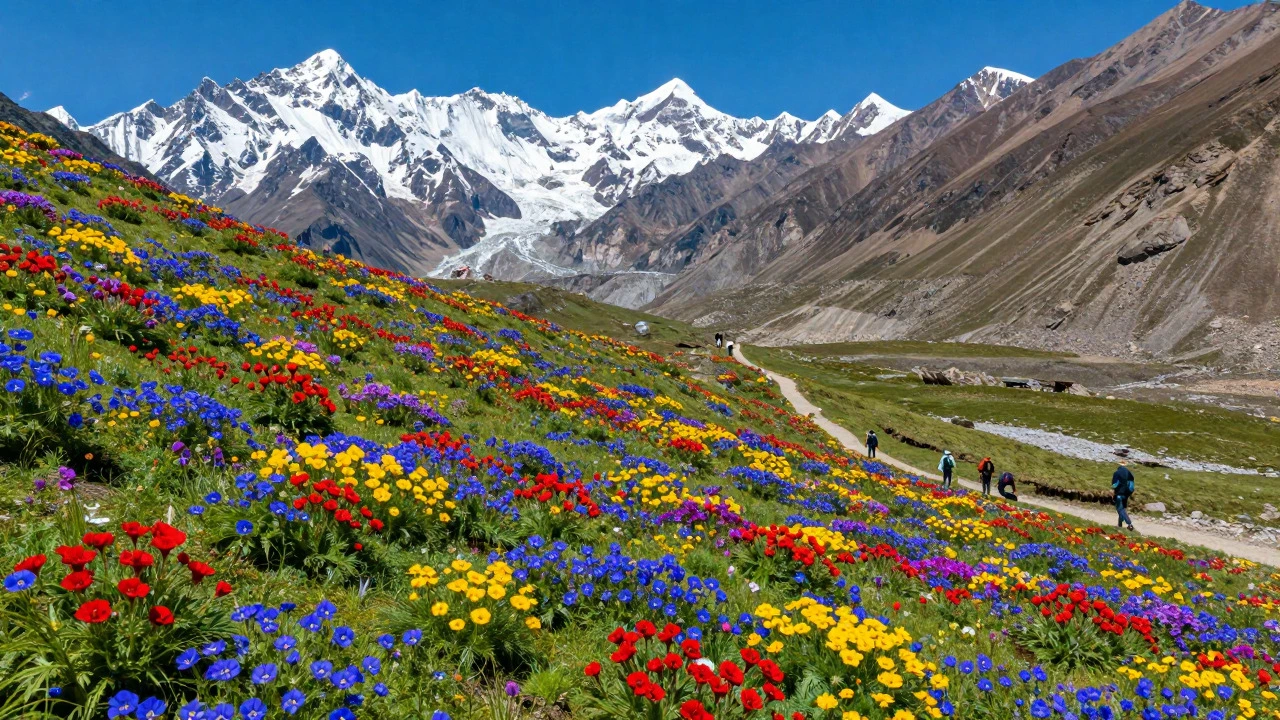
The Valley of Flowers, connected to Nanda Devi, is the opposite. During the monsoon season, it explodes with color. Hundreds of species of flowers bloom simultaneously, covering the valley floor in a carpet of reds, blues, yellows, and purples. It is also home to rare animals like the snow leopard and the Asiatic black bear. Access is difficult; you have to trek from Govindghat. The journey is tough, but the reward is a landscape that feels otherworldly.
5. Sundarbans National Park (West Bengal)
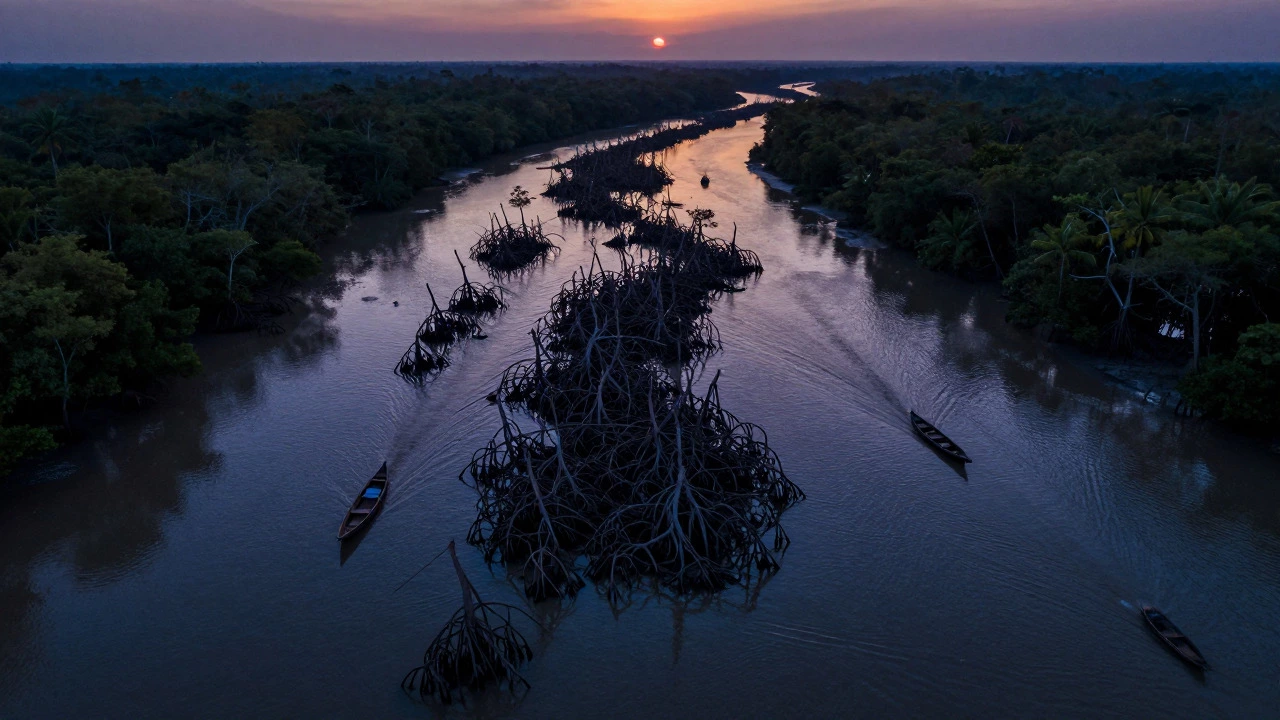
The Sundarbans is the largest mangrove forest in the world. Inscribed in 1987, it sits at the delta of the Ganges, Brahmaputra, and Meghna rivers. It is a land of mud, water, and twisted roots. The word "Sundarbans" means "beautiful forest," which seems ironic given its harsh conditions, but the beauty is in its complexity.
This is the territory of the Royal Bengal Tiger. Unlike tigers in dry forests, these tigers swim between islands and eat fish and crabs. The ecosystem is fragile. Rising sea levels and cyclones threaten the mangroves. Yet, the forest acts as a shield for millions of people living inland, absorbing storm surges. Boating through the narrow creeks gives you a glimpse of saltwater crocodiles, king cobras, and spotted deer. It is a dangerous, wild place that demands respect.
6. Western Ghats (Multiple States)
The Western Ghats are an ancient mountain range running parallel to the western coast of India. Inscribed in 2012, this is not a single park but a series of nine protected areas across six states: Kerala, Karnataka, Tamil Nadu, Goa, Maharashtra, and Gujarat. Together, they cover over 7,900 square kilometers.
Geologically, the Western Ghats are older than the Himalayas. They are one of the eight "hottest hotspots" of biological diversity on Earth. More than 325 globally threatened species live here, including the lion-tailed macaque, the Nilgiri tahr, and the Malabar giant squirrel. The range influences the climate of the entire peninsula, catching the monsoon winds and providing water to major rivers. Protecting the Ghats means protecting the water supply for hundreds of millions of people.
7. Great Himalayan National Park (Himachal Pradesh)
The last one, added in 2014, is the Great Himalayan National Park (GHNP). Located in Himachal Pradesh, it is a treasure trove of glacial valleys and alpine meadows. Unlike Nanda Devi, GHNP is accessible to trekkers and offers a different kind of Himalayan experience.
The park is designed to protect the vertical gradient of ecosystems. As you climb higher, the vegetation changes from oak and rhododendron forests to pine and deodar, and finally to bare rock and ice. It is home to the Himalayan black bear, the musk deer, and the snow leopard. The trails here are well-marked but require good fitness. The sense of solitude you feel in these high valleys is unmatched.
| Site Name | Location | Year Inscribed | Key Feature |
|---|---|---|---|
| Manas Wildlife Sanctuary | Assam | 1985 (Re-inscribed 2011) | Tiger and Rhino habitat |
| Kaziranga National Park | Assam | 1985 | One-horned Rhinoceros |
| Keoladeo Ghana NP | Rajasthan | 1985 | Migratory Birds |
| Nanda Devi & Valley of Flowers | Uttarakhand | 1988 | Alpine Meadows & Peaks |
| Sundarbans NP | West Bengal | 1987 | Mangrove Forest & Tigers |
| Western Ghats | 6 States | 2012 | Biodiversity Hotspot |
| Great Himalayan NP | Himachal Pradesh | 2014 | Glacial Valleys & Trekking |
How to Visit Responsibly
Knowing where these sites are is one thing. Visiting them without causing harm is another. Tourism brings money for conservation, but too many visitors can degrade the very things you came to see. Here is how to approach your trip.
- Stick to designated paths. In places like the Valley of Flowers or GHNP, trampling off-trail destroys fragile alpine plants that take decades to grow back.
- Hire local guides. In Manas and Kaziranga, guides know the terrain and animal behavior. Their income supports the community, reducing the incentive for poaching.
- Respect distance. When watching wildlife, especially tigers or rhinos, keep your vehicle moving slowly and quietly. Flash photography stresses animals.
- Carry out all waste. There is no such thing as "biodegradable" trash in a pristine ecosystem. If you bring it in, take it out.
- Choose the right season. Some parks close during monsoons for safety and breeding reasons. Check official notifications before booking.
Threats Facing These Sites
Being on the UNESCO list does not make a site invincible. Climate change is the biggest threat. Rising temperatures affect the flowering cycles in the Valley of Flowers. Sea-level rise threatens the Sundarbans. Droughts impact the water levels in Keoladeo.
Human-wildlife conflict is another issue. As forests shrink, animals move into villages. Elephants raid crops in the Western Ghats. Tigers attack livestock in Assam. Conservation requires balancing human needs with animal rights. Community-based tourism models are helping, but the pressure remains high.
Planning Your Trip: Practical Tips
If you decide to visit, start early. Permits are required for most of these parks. For example, entering the Valley of Flowers requires a permit from the forest department. Booking stays near Kaziranga or Sundarbans should be done months in advance, especially during peak seasons.
Pack appropriately. Light cotton clothes for Rajasthan, warm woolens for the Himalayas, and waterproof gear for the Northeast. Carry basic medications, as medical facilities in remote areas are limited. Always carry cash, as ATMs may not be available inside the parks.
Are there any new natural heritage sites in India planned?
Yes, several sites are on India's tentative list. These include the Khangchendzonga National Park (which was already inscribed in 2016, wait, correction: Khangchendzonga is already a Mixed Heritage Site, not just natural. Let's stick to pure natural candidates). Candidates like the Araku Valley or certain parts of the Eastern Ghats are being considered, but the process takes years of documentation and evaluation.
Which is the best natural heritage site for first-time visitors?
For ease of access and wildlife sightings, Kaziranga National Park is often recommended. It has good infrastructure, regular safaris, and a high chance of seeing rhinos. Keoladeo is also excellent for those who prefer birdwatching over jungle trekking.
Is it safe to visit the Sundarbans?
Generally, yes, if you follow guide instructions. The main risks are tigers and crocodiles. Never wander off alone from your boat or camp. Stick to established tourist routes and avoid visiting during cyclone season (October-November).
Can I trek in Nanda Devi National Park?
Trekking inside Nanda Devi National Park core zone is restricted to protect the environment. However, the surrounding areas and the Valley of Flowers offer excellent trekking opportunities. Permits are mandatory for both.
What is the difference between cultural and natural heritage sites?
Cultural sites are man-made, like temples, forts, or historical cities. Natural sites are defined by their ecological, geological, or biological features. Some sites, like Khangchendzonga, are "Mixed" because they have both cultural and natural significance.