Eco Resort Verification Checklist
Use this tool to verify if a resort meets authentic eco standards based on the key components outlined in the article. A genuine eco resort integrates all these elements into a holistic system that actively heals the environment and supports communities.
Note: Greenwashing is common in tourism. Look for third-party certifications and transparency in reporting.
Eco Resort Standards
Answer the following questions based on your research or resort information:
Results
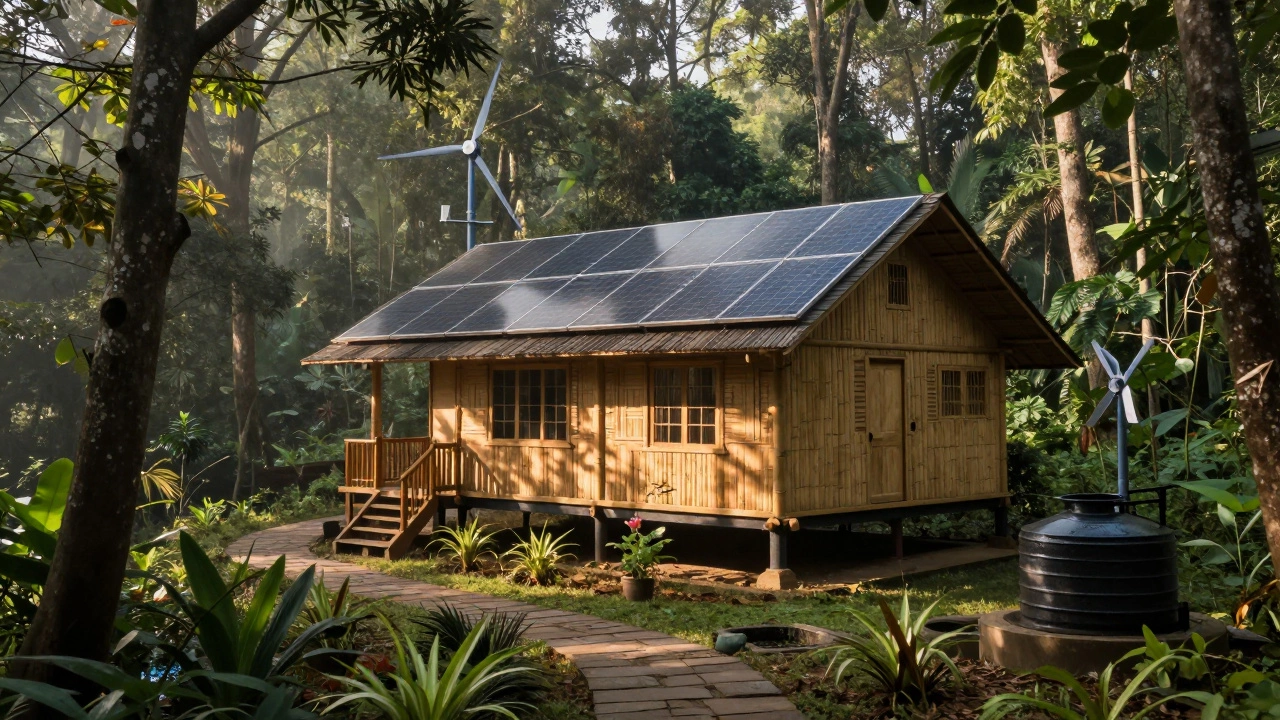
When you hear the word eco resort, you might picture bamboo bungalows, solar panels, and a quiet river nearby. But an eco resort isn’t just about looks. It’s a carefully designed system where every choice-from the materials used to how waste is handled-works together to protect nature and support local communities. If you’re planning a trip that actually gives back instead of just taking, knowing what makes a true eco resort helps you spot the real ones from the greenwashed ones.
Energy Use: Powering Without Polluting
Every eco resort runs on clean energy. That means no diesel generators humming in the background. Instead, you’ll find solar panels on rooftops, wind turbines tucked into the trees, or even small-scale hydro systems using natural water flow. In places like Costa Rica or the Philippines, resorts have cut grid dependence by 80% or more. Some even store excess energy in lithium-ion batteries made from recycled materials. The goal isn’t just to reduce emissions-it’s to operate entirely off the fossil fuel grid. Guests often notice the quiet. No noisy AC units. No flickering lights. Just natural, steady power.
Water Management: Every Drop Counts
Water is scarce in many places where eco resorts are built. That’s why they treat every drop like gold. Rainwater harvesting systems collect runoff from roofs and channel it into underground tanks. Greywater from showers and sinks gets filtered through natural sand and plant-based systems before being reused for irrigation. Toilets use low-flow or composting systems that don’t need water at all. In some resorts in Bali and Kerala, guests are surprised to learn their showers are timed to 90 seconds. It’s not a restriction-it’s a design. And the result? A resort that uses 60% less water than a conventional hotel.
Building Materials: Built With the Land, Not Against It
Traditional hotels use concrete, steel, and imported timber. Eco resorts use what’s already there. Bamboo, reclaimed wood, locally quarried stone, and rammed earth are common. In Thailand, some resorts build walls using compressed earth blocks made on-site. These materials not only reduce transport emissions but also help regulate temperature naturally. A bamboo structure stays cool without AC. A stone floor absorbs heat during the day and releases it slowly at night. You won’t find synthetic paints or VOC-emitting adhesives either. Instead, resorts use natural lime washes and plant-based sealants that breathe with the building.
Waste Handling: Zero to Landfill
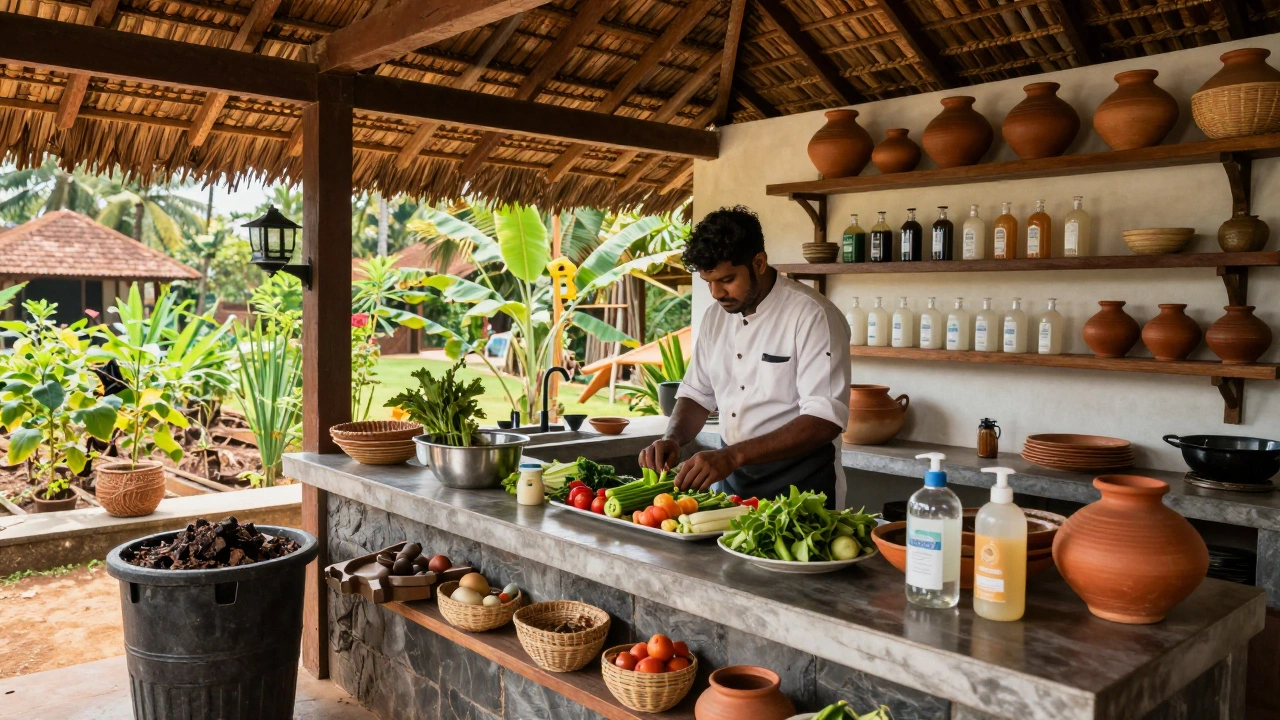
Most resorts generate tons of trash. Eco resorts aim for zero. They start by eliminating single-use plastics-no bottled water, no plastic toiletries. Instead, refillable glass bottles filled with locally made soap and shampoo are standard. Food waste goes into compost pits that feed organic gardens. Even guest laundry uses biodegradable detergent. Some resorts partner with nearby villages to turn plastic waste into bricks or tiles. One resort in the Andaman Islands collects ocean-bound plastic from local fishermen and turns it into furniture. The result? A resort that produces less than 10% of the waste a typical hotel does.
Local Food and Dining: Eating With the Region
What’s on your plate matters. Eco resorts grow their own vegetables, herbs, and even raise chickens or fish in on-site ponds. They buy the rest from nearby farmers who use organic or permaculture methods. No imported avocados from Chile. No frozen shrimp shipped halfway around the world. Meals are seasonal, plant-forward, and often vegetarian or vegan. You’ll taste the difference-riper tomatoes, sweeter mangoes, herbs picked that morning. And because food travels less than 10 kilometers on average, the carbon footprint of your dinner is near zero.
Community Engagement: Real Partnerships, Not Performances
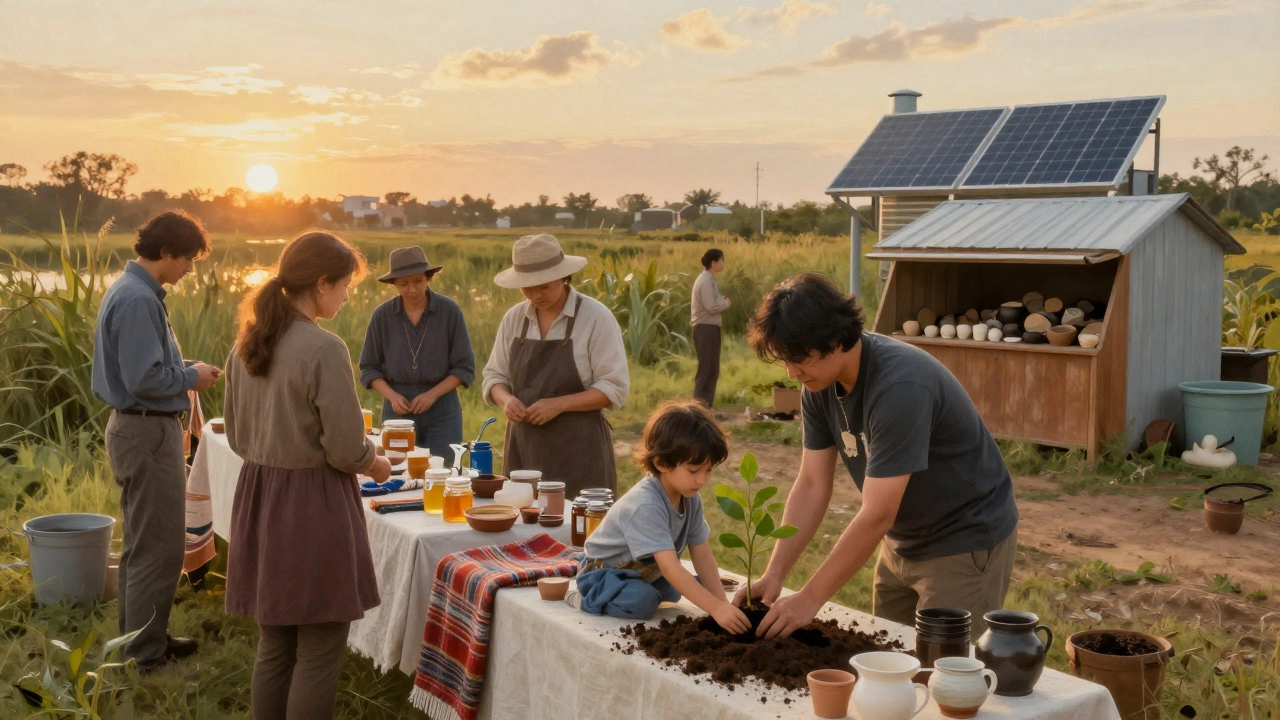
A true eco resort doesn’t just hire locals-it empowers them. Staff are trained and promoted from within the community. Guides are native to the region and share stories passed down through generations. Artisans sell handmade crafts directly to guests, with 100% of profits going back to them. Some resorts even fund local schools or health clinics. In Nepal, one resort pays for a teacher’s salary so children in the nearest village can attend school. In Mexico, guests can join a weekly market where locals sell everything from honey to woven textiles. This isn’t a tourist show. It’s economic justice built into the business model.
Biodiversity Protection: Respecting the Wild
Eco resorts don’t just sit in nature-they protect it. Many are built on land that was once degraded or threatened. They restore native forests, plant pollinator gardens, and create wildlife corridors. No bright lights at night that confuse turtles or birds. No invasive plants. No chemical pesticides. Some resorts work with biologists to monitor endangered species. In Costa Rica, a resort helped increase the local jaguar population by 40% over five years by removing traps and funding camera traps to track movement. Guests can join guided night walks led by conservationists and see real data on how the resort’s actions are helping.
Transparency and Certification: Don’t Just Take Their Word
Not every resort calling itself "eco" deserves the label. Look for third-party certifications like Green Key, EarthCheck, or LEED for Hospitality. These require audits, energy reports, and community impact reviews. A real eco resort will display its certification on its website or at the front desk. They’ll also share annual sustainability reports-how much water they saved, how many trees they planted, how much income went to local families. If they can’t show you numbers, they’re probably just using the word "eco" to charge more.
What Sets Eco Resorts Apart?
It’s not the hammocks or the organic tea. It’s the system. One solar panel doesn’t make a resort eco-friendly. One compost bin doesn’t either. It’s the fact that energy, water, waste, food, labor, and land are all managed as one connected loop. An eco resort doesn’t just minimize harm-it actively heals. It turns tourism from a burden into a force for restoration. That’s why staying at one doesn’t just feel good-it makes a measurable difference.
Are eco resorts more expensive than regular hotels?
Not always. Many eco resorts offer mid-range pricing because they cut costs by using local materials, growing their own food, and avoiding imported goods. While some luxury eco resorts charge premium rates, others-especially community-run ones-can be cheaper than chain hotels. You’re paying for real sustainability, not just a label.
Can families stay at eco resorts?
Absolutely. Many eco resorts are designed for families with kid-friendly activities like nature scavenger hunts, tree planting, and cooking classes using local ingredients. They often provide non-plastic toys, organic snacks, and safe, chemical-free swimming areas. Some even offer free childcare led by local educators.
Do eco resorts have Wi-Fi and modern amenities?
Yes, but intentionally. Most offer Wi-Fi in common areas, not rooms, to encourage guests to disconnect. Air conditioning is rare-replaced by natural ventilation and ceiling fans. Hot water is solar-heated. You’ll find clean, functional bathrooms, reliable power, and good beds. The difference? Everything is designed to be low-impact, not luxury-for-luxury’s-sake.
How can I tell if a resort is truly eco-friendly?
Ask for proof. Look for third-party certifications. Check if they publish annual sustainability reports. See if they mention specific local partners, waste reduction numbers, or water savings. If their website only says "green" or "sustainable" without details, be skeptical. Real eco resorts are transparent-and proud of the numbers.
Are eco resorts only in remote areas?
No. While many are in forests or coastal zones, eco principles are being applied in cities too. Urban eco resorts use rooftop gardens, greywater recycling, and solar canopies. Some are even in historic buildings retrofitted with sustainable tech. The location doesn’t define it-the systems do.