Honeymoon Budget Estimator
Enter your trip details below to get a personalized estimated budget range for your honeymoon.
Your Estimated Honeymoon Cost
ModerateCost Breakdown
💡 Pro Tips for Your Budget
You’ve said "I do," the cake is cut, and now comes the part everyone whispers about: how much does this actually cost? You’re not alone in wondering. The internet throws around numbers ranging from $3,000 to $50,000, leaving you paralyzed by analysis. Here’s the truth: there is no single "right" number. Your realistic honeymoon budget depends entirely on where you go, when you go, and what kind of memories you want to make.
As someone who has helped dozens of couples plan their first big trip together, I’ve seen budgets stretch and snap. The key isn't finding a magic figure; it's understanding the variables that drive the price tag up or down. Let’s break down the real costs for 2026, so you can build a budget that doesn’t leave you stressed before you even pack your bags.
The Baseline: What Couples Actually Spend
Forget the Instagram influencers living in Bali villas for free because they have sponsors. For regular humans, data tells a different story. According to recent travel industry reports from late 2025, the average US couple spends between $4,500 and $12,000 on their honeymoon. If you are traveling from Australia or Europe, add roughly 15-20% for longer flight legs unless you stick to regional destinations.
But averages are misleading. A more useful way to look at it is through tiers. This helps you identify which bracket you naturally fall into based on your current financial situation and priorities.
| Tier | Budget Range | Typical Destination | Accommodation Style | Experience Level |
|---|---|---|---|---|
| Budget-Conscious | $3,000 - $5,000 | Domestic road trips, Southeast Asia, Eastern Europe | Boutique hotels, Airbnbs, hostels with private rooms | Self-guided tours, local street food, public transport |
| Moderate/Standard | $6,000 - $9,000 | Caribbean, Hawaii, Italy, Thailand | Mid-range resorts, all-inclusive packages | Mix of guided tours and free time, nice dinners |
| Luxury | $10,000 - $15,000 | Maldives, Bora Bora, Safari in Africa | High-end resorts, overwater bungalows | Private guides, spa treatments, fine dining |
| Ultra-Luxury | $20,000+ | French Polynesia, Private Islands, First Class Travel | Five-star suites, butler service | Fully curated, exclusive access experiences |
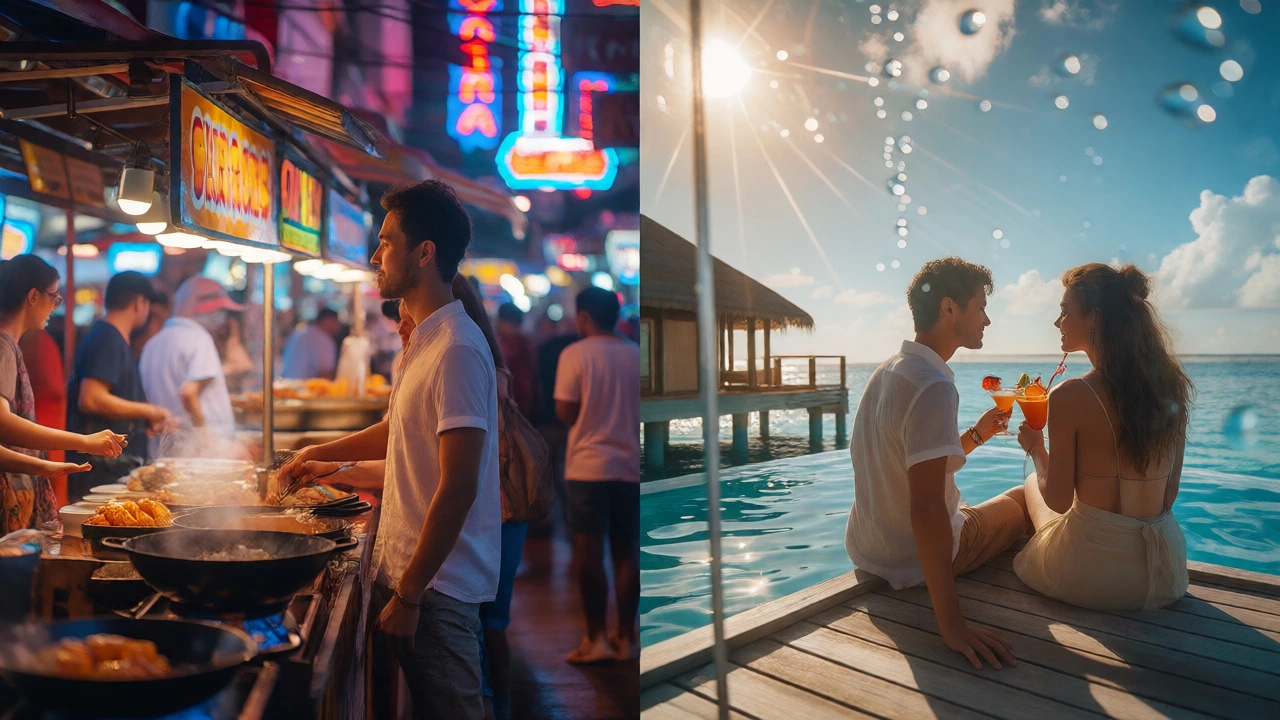
Notice how wide the gap is between "Budget-Conscious" and "Luxury." That’s because the definition of luxury varies wildly by region. A $5,000 budget gets you a palace in Vietnam but only a modest room in Paris. Always adjust your expectations based on the destination’s cost of living.
The Big Three: Flights, Accommodation, and Food
These three categories will eat up about 70-80% of your total spend. If you nail these, the rest is just details.
Airfare is usually the biggest single expense. In 2026, prices have stabilized somewhat compared to the post-pandemic chaos, but fuel surcharges remain high. If you’re flying internationally, expect to pay $800-$1,500 per person for economy round-trip tickets to popular spots like Europe or Asia. Business class can easily triple that. Pro tip: Book flights 3-6 months out. Last-minute deals exist, but they are risky for a fixed-date event like a wedding.
Accommodation is where dreams meet reality. A night in a decent hotel in Bali might cost $80, while the same level of comfort in Santorini could hit $350. Don’t just look at the nightly rate; check what’s included. Does breakfast cost extra? Is Wi-Fi reliable? Are there resort fees? Those hidden $25-a-day charges add up fast on a 10-day trip.
Dining is often underestimated. You don’t need to eat at Michelin-starred restaurants every night. In fact, some of the best meals happen at local stalls. However, if you’re going somewhere known for its culinary scene, like Tokyo or Lyon, set aside a specific "food fund." A good rule of thumb is $50-$100 per person per day for moderate dining, excluding alcohol.
The Hidden Costs That Blow Up Budgets
Here is where most people get caught out. They budget for the flight and the hotel, then arrive with no cash for the extras. These aren't optional; they are necessary parts of the experience.
- Travel Insurance: Never skip this. It typically costs 4-10% of your total trip cost. For a $10,000 trip, that’s $400-$1,000. It covers medical emergencies, cancellations, and lost luggage. One hospital visit abroad can cost more than your entire vacation.
- Visas and Entry Fees: Some countries charge hefty entry taxes. New Zealand recently increased its International Visitor Conservation and Tourism Levy. Check requirements early.
- Experiences and Tours: That scuba diving trip? $150. The hot air balloon ride? $300. Private boat charter? $500+. Decide beforehand which activities are "must-dos" and book them in advance to lock in prices.
- Tips and Gratuities: In the US, tipping is mandatory culture. In Japan, it’s almost rude. Research the norm. Budget 10-15% of restaurant bills where applicable.
- Alcohol: Drinks at resorts are expensive. A cocktail can cost $15-$25. If you enjoy wine with dinner, this line item can double your food budget quickly.
Timing Matters: Shoulder Season vs. Peak Season
If you want to save money without sacrificing quality, timing is your best lever. Peak season means perfect weather and crowds. Shoulder season means slightly less predictable weather, fewer tourists, and significantly lower prices.
For example, visiting Greece in September instead of July can save you 30% on accommodation. The sea is still warm, the sun is shining, but you aren’t fighting for space at the beach clubs. Similarly, Caribbean islands are cheaper in the spring (April-May) before summer break kicks in. Just be aware of hurricane seasons-check historical weather patterns for your chosen dates.
Also, consider weekday departures. Flying out on a Tuesday or Wednesday is often cheaper than Friday or Sunday. If your wedding date allows flexibility, shifting your honeymoon start by two days can save hundreds.
DIY vs. All-Inclusive: Which Saves Money?
This is the classic debate. All-inclusive resorts seem appealing because you know exactly what you’ll spend upfront. No surprises. But are they actually cheaper?
It depends on your behavior. If you drink heavily, use the spa daily, and take multiple excursions, an all-inclusive package often wins. You prepay for value you actually consume. However, if you prefer exploring local neighborhoods, eating at independent cafes, and using public transport, DIY travel is usually cheaper and offers a richer cultural experience.
Let’s compare a hypothetical week in Mexico:
| Expense Category | All-Inclusive Resort | DIY Boutique Hotel |
|---|---|---|
| Accommodation (7 nights) | $2,800 | $1,400 |
| Food & Drink | Included ($0) | $700 |
| Activities | $200 (limited options) | $400 (local tours, cenotes) |
| Transportation | Shuttle included | $150 (taxis/Uber) |
| Total Estimated Cost | $3,150 | $2,650 |
In this scenario, DIY saves money and offers more freedom. But if you hate making decisions and just want to relax poolside with unlimited margaritas, the extra $500 for the all-inclusive might be worth every penny for the peace of mind.

How to Build Your Personalized Budget
Don’t guess. Track. Use a spreadsheet or a budgeting app like YNAB or Mint. Start with a rough total you are comfortable spending-not what you think you "should" spend. Then work backward.
- Set the Total Cap: Example: $8,000.
- Allocate Fixed Costs: Flights ($2,000), Insurance ($400), Visa fees ($100). Remaining: $5,500.
- Estimate Daily Spend: Divide remaining funds by number of days. For 10 days, that’s $550/day for hotel, food, and fun.
- Adjust for Destination: If your daily budget feels too low for Paris, increase the total cap or shorten the trip. If it feels too high for Bangkok, consider upgrading your hotel.
- Add a Buffer: Always keep 10% unallocated for emergencies or spontaneous splurges.
This method keeps you grounded. It prevents the "endless upgrade" trap where you book a cheap flight and then blow the savings on a suite you didn’t plan for.
Common Pitfalls to Avoid
I’ve seen couples ruin their honeymoon finances by making these mistakes. Learn from them.
Ignoring Currency Exchange Rates: If you’re traveling from Australia to the UK, the AUD/GBP rate fluctuates. Lock in rates or use multi-currency cards to avoid bad exchange fees at airport kiosks.
Overbooking Activities: You don’t need to do something every hour. Burnout is real. Leave empty spaces in your itinerary for naps, reading, or wandering. You pay for the location, not just the activities.
Underestimating Alcohol: As mentioned, drinks add up. If you’re staying in a place with happy hours, utilize them. Buy groceries if your accommodation has a fridge.
Forgetting the Return Trip: Many people forget to budget for the last night’s hotel, airport transfers, and snacks on the way home. Keep $200-$300 reserved for the journey back.
Is it okay to ask family for honeymoon contributions?
Absolutely. Many couples now create a "honeymoon registry" where guests contribute to specific experiences (like a snorkeling trip) rather than physical gifts. It’s practical and appreciated, especially if you’re trying to reach a higher budget tier without dipping into savings.
Should we book our honeymoon as soon as we get engaged?
Yes, especially for peak season travel or popular destinations like Santorini or the Maldives. Booking 6-12 months in advance secures better availability and often lower prices. You can always change dates later, though fees may apply.
Do credit card points cover honeymoon costs?
They can help offset airfare, but rarely cover everything. Be cautious of blackout dates. Also, remember that points don’t cover taxes, insurance, or ground transportation. Treat points as a bonus, not the foundation of your budget.
What is the cheapest international honeymoon destination?
Southeast Asia (Thailand, Vietnam, Bali) and Eastern Europe (Portugal, Hungary) offer the best value for money. High-quality accommodations and food cost significantly less than in Western Europe or North America, allowing you to live luxuriously on a mid-range budget.
How much should we spend on gifts for ourselves?
This is subjective, but a common guideline is to allocate 5-10% of your total budget for shopping. Whether it’s jewelry, art, or local crafts, having a separate envelope for souvenirs prevents impulse buys from derailing your meal budget.
Final Thoughts: Value Over Price
Your honeymoon budget isn’t a test of wealth; it’s a reflection of your values. If you value relaxation, a quiet cabin in the mountains might beat a lavish city stay. If you value adventure, a camping safari in Kenya could be the ultimate luxury.
Don’t let social media pressure dictate your spending. A $4,000 trip where you feel connected and rested is infinitely better than a $15,000 trip where you’re stressed about debt. Plan realistically, track your spending, and prioritize experiences that matter to *you* as a couple. That’s how you ensure your first trip as partners sets a positive tone for the marriage ahead.