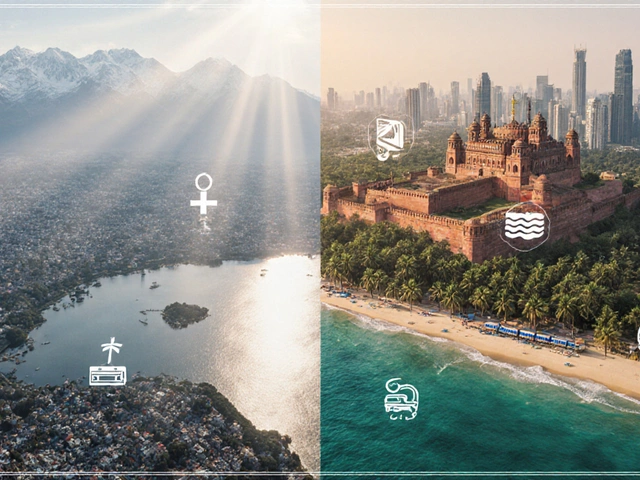
Indian Heritage Style Identifier
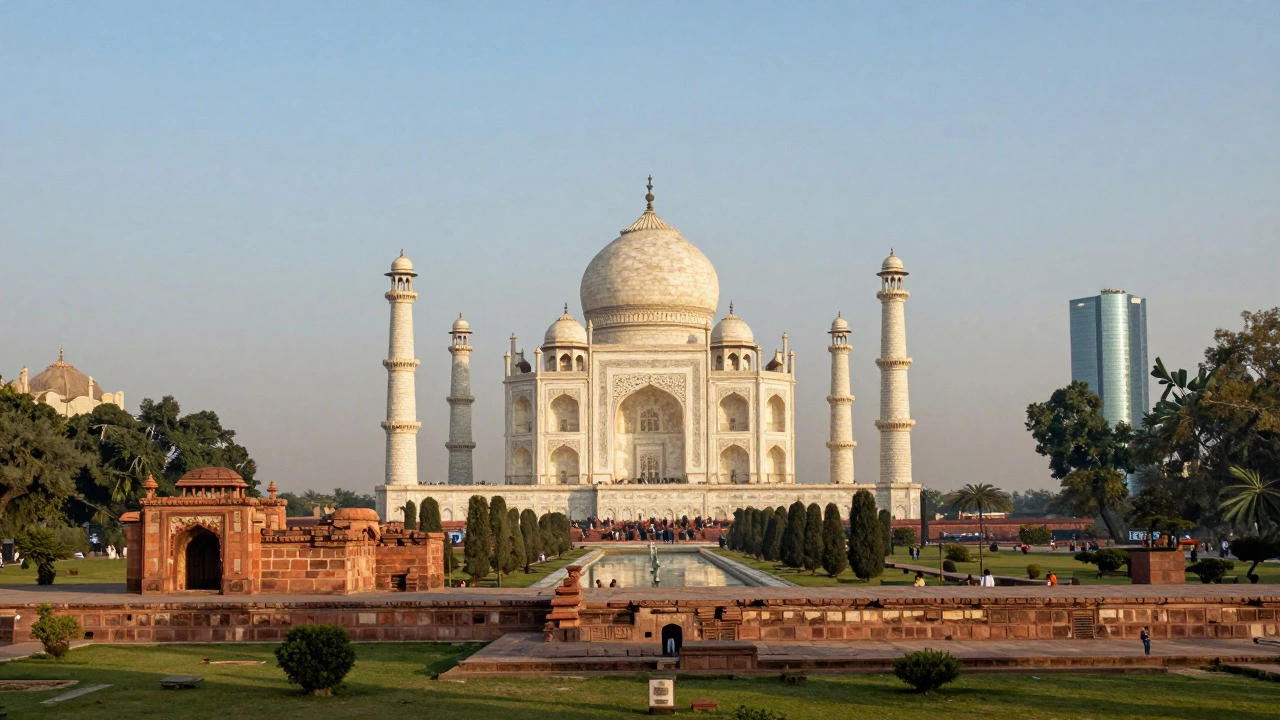
Known for symmetry, white marble, domes, and intricate pietra dura work.
Characterized by towering gopurams, boulder-integrated structures, and raw organic ruins.
Living traditions including Yoga, Kalaripayattu martial arts, and classical dance forms.
India isn't just a country; it's a civilization that has been writing its own story for thousands of years. When you ask what makes the heritage of India so fascinating, the answer isn't found in a single monument or one specific festival. It lies in the sheer density of layers. You have Indus Valley ruins sitting alongside Mughal palaces, which stand near British colonial buildings, all while modern cities pulse around them. This isn't just history preserved in glass cases. It is alive.
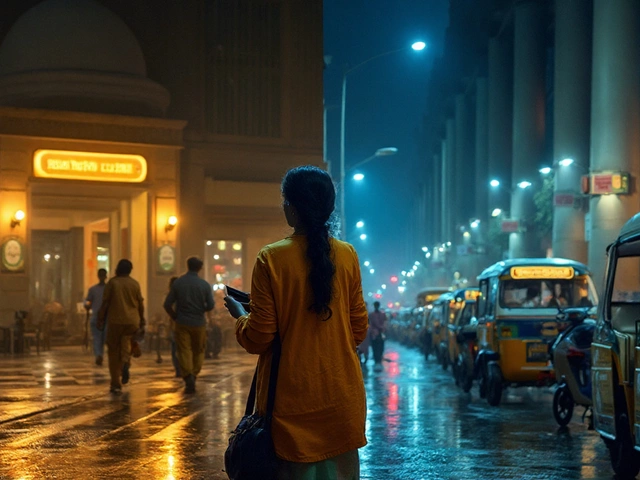
The fascination comes from the contrast. You can visit a cave temple carved into solid rock over a thousand years ago and then take a high-speed train to a city where street food vendors are preparing recipes passed down through dozens of generations. The Indian heritage is a complex mix of tangible structures like forts and temples, and intangible practices like yoga, classical dance, and traditional crafts. Understanding this requires looking beyond the postcard images and seeing how these elements connect to form a unique cultural identity.
The Stone Chronicles: Tangible Heritage Sites
When most people think of Indian heritage, they picture stone. And rightly so. The country holds some of the most significant archaeological and architectural sites on the planet. These aren't just old rocks; they are engineering marvels that defied the technology of their times.
Take the Taj Mahal in Agra. Everyone knows it as a symbol of love, but its heritage value goes deeper. It represents the peak of Mughal architecture, blending Persian, Islamic, and Indian styles. The white marble changes color with the light, and the intricate pietra dura work-where semi-precious stones are inlaid into the surface-shows a level of craftsmanship that is still hard to replicate today. But the Taj is just one piece of a much larger puzzle.
Move west to Rajasthan, and you find the Hill Forts of Rajasthan. These include Kumbhalgarh, Chittorgarh, Ranthambore, Gagron, Amber, and Jaisalmer. Unlike the delicate Taj, these are military machines. They were built to withstand sieges, control trade routes, and project power. Walking through the massive walls of Kumbhalgarh, which is part of the longest continuous wall in the world after the Great Wall of China, gives you a visceral sense of the strategic importance of these locations centuries ago.
In the south, the story shifts again. The Group of Monuments at Hampi offers a starkly different experience. Here, the ruins of the Vijayanagara Empire lie scattered among boulders and riverbeds. The architecture here is Dravidian, characterized by towering gopurams (gateway towers) and intricate carvings of deities and daily life. Unlike the polished perfection of the Mughal era, Hampi feels raw and organic, as if nature is slowly reclaiming the empire.
| Heritage Site | Architectural Style | Key Feature | Historical Era |
|---|---|---|---|
| Taj Mahal | Mughal / Indo-Islamic | Symmetry and Pietra Dura | 17th Century |
| Hampi Ruins | Vijayanagara / Dravidian | Boulder-integrated structures | 14th-16th Century |
| Ajanta Caves | Buddhist Cave Architecture | Frescoes and Stupas | 2nd Century BCE - 5th Century CE |
| Konark Sun Temple | Odisha / Kalinga | Chariot-shaped structure | 13th Century |
Then there are the caves. The Ajanta and Ellora Caves in Maharashtra are not just shelters; they are galleries. Ajanta features Buddhist frescoes that rival those of Europe in quality and age. Ellora, however, is a feat of vertical engineering. The Kailasa Temple was carved out of a single cliff face, top-down. Imagine starting at the top of a mountain and chipping away millions of tons of rock to reveal a temple below. That is the scale of ambition inherent in India's tangible heritage.
Living Traditions: Intangible Cultural Heritage
If the monuments are the skeleton of India's heritage, the intangible traditions are the blood. UNESCO recognizes several of these, and they are vital because they keep the culture breathing. Without them, the temples would just be empty shells.
Yoga is perhaps the most globally recognized example. Originating in ancient India, it is now practiced worldwide. But in its heritage context, yoga is not just about physical fitness. It is a holistic system linking body, breath, and mind, rooted in philosophical texts like the Yoga Sutras of Patanjali. In India, you can still find ashrams where this practice is taught in its traditional, meditative form, far removed from the commercialized studio versions seen elsewhere.
Another powerful example is Kalaripayattu, an ancient martial art from Kerala. Often called the mother of all martial arts, it involves complex movements, strikes, and weapon handling. It is not just combat training; it is a performance art and a spiritual discipline. Watching a Kalaripayattu demonstration is like watching a fluid dance that could end in a knockout blow at any second.
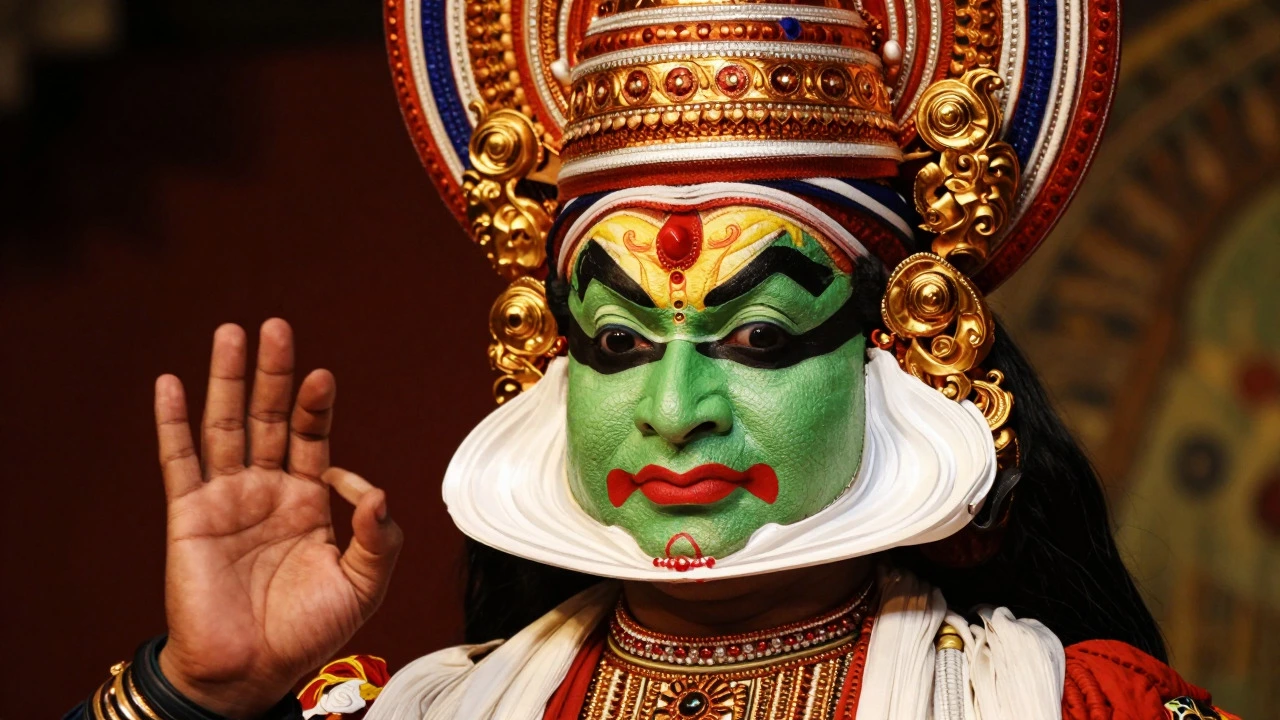
We also cannot ignore the performing arts. Kathakali from Kerala uses elaborate costumes, makeup, and gestures to tell stories from Hindu epics like the Ramayana and Mahabharata. The performers spend hours applying makeup before a show that might last only a few hours. Each gesture of the hand (mudra) has a specific meaning. It is a language without words, preserving narratives that have been told for millennia.
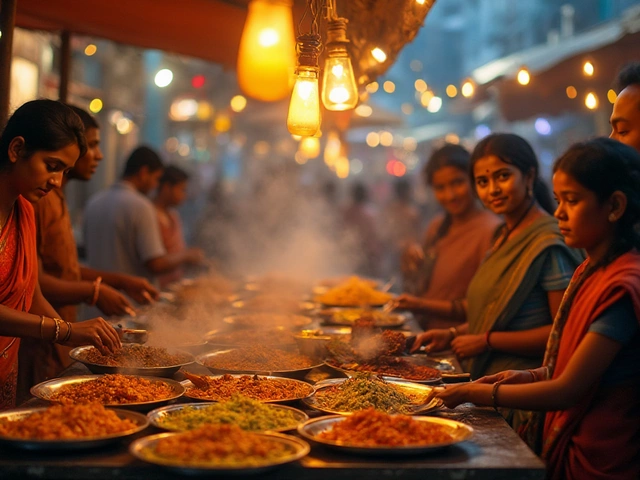
Food, too, is a major part of this intangible heritage. The Jain Cuisine tradition, for instance, is not just about vegetarianism. It follows strict principles of non-violence (ahimsa), avoiding root vegetables to prevent killing plants entirely. This dietary restriction has led to incredibly innovative cooking techniques and flavors, showing how religious philosophy directly shapes culinary heritage.
Regional Diversity: One Country, Many Heritages
A common mistake is to treat Indian heritage as a monolith. It is anything but. The north, south, east, and west each have distinct identities shaped by geography, climate, and historical invasions or trade routes.
In the northeast, states like Assam and Manipur have strong tribal influences. The Sankirtana tradition in Manipur combines music, dance, and chanting, often performed in community courtyards. It reflects a syncretic culture where Hindu and indigenous beliefs blend seamlessly.
In the west, Gujarat and Rajasthan showcase the legacy of merchant communities. The stepwells (baolis) of Gujarat, such as the Rani ki Vav, are not just water sources but architectural wonders decorated with sculptures. They reflect the ingenuity required to survive in arid regions and the wealth generated from trade with Rome and Persia.
The east, particularly Odisha and West Bengal, has a rich tradition of terracotta art and temple construction. The Konark Sun Temple in Odisha is shaped like a giant chariot with horses and wheels, dedicated to the sun god Surya. Its design aligns with astronomical events, showing the deep connection between religion, science, and architecture in ancient India.
Preservation Challenges and Modern Efforts
All this beauty doesn't maintain itself. India faces significant challenges in preserving its heritage. Pollution is a silent killer. The Taj Mahal is slowly turning yellow due to air pollution from nearby industries and vehicles. Acid rain erodes the stone surfaces of many monuments.
Urbanization is another threat. As cities expand, historical neighborhoods are often demolished to make way for concrete jungles. The old quarters of Delhi, Mumbai, and Kolkata are disappearing, taking with them centuries-old havelis (mansions) and narrow lanes that defined the social fabric of these cities.
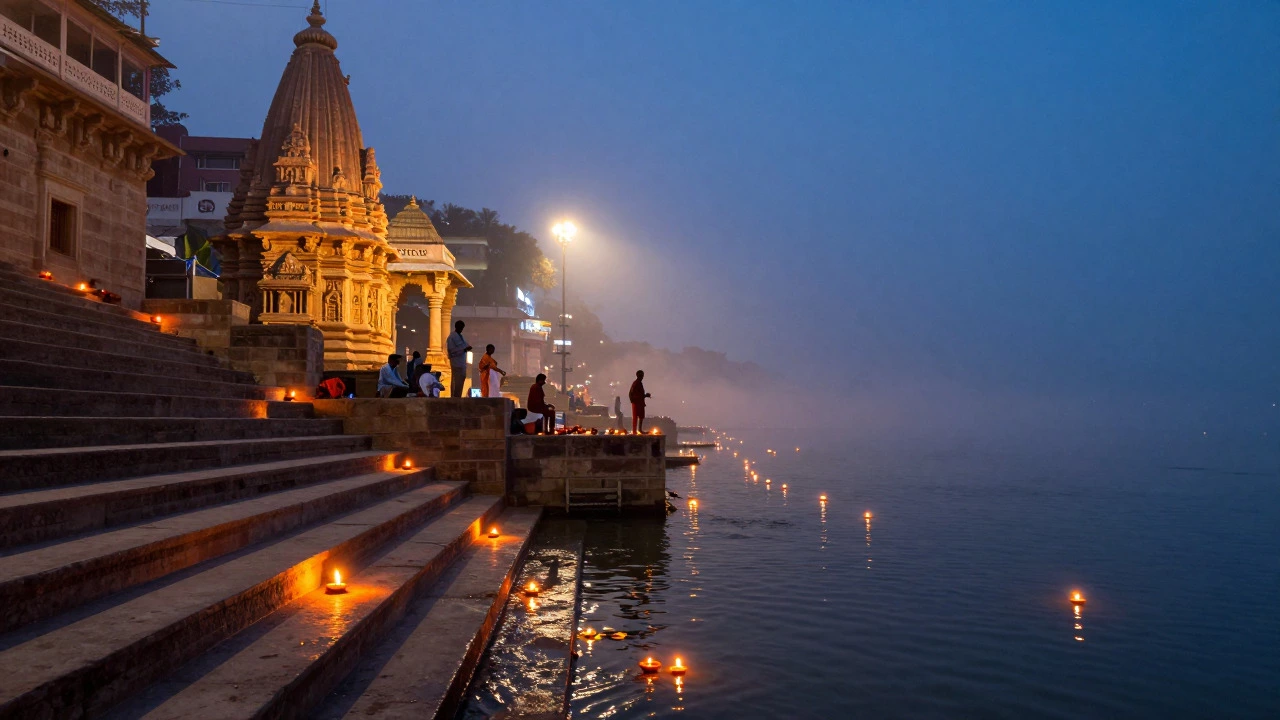
However, there are efforts to counter this. The Archaeological Survey of India (ASI) works tirelessly to restore and maintain protected monuments. Local communities are also stepping up. In places like Varanasi, residents are involved in maintaining the ghats (riverfront steps), recognizing that their heritage is their livelihood and identity.
Tourism plays a double-edged sword role. While it brings revenue for conservation, overcrowding can damage fragile sites. Sustainable tourism models are being encouraged, where visitors are educated about respectful behavior and limited numbers are allowed in sensitive areas like the caves of Ajanta.
How to Experience Indian Heritage Authentically
If you want to truly understand the fascinating heritage of India, don't just tick boxes off a list. Slow down. Engage with the local context.
- Visit during festivals: Seeing a temple during Diwali or Holi transforms it from a static building into a vibrant center of community life. The rituals, the sounds, the smells-they bring the heritage to life.
- Talk to artisans: Instead of just buying a souvenir, visit workshops in places like Jaipur (for block printing) or Madurai (for bronze casting). Ask them about their techniques. Learn why certain patterns are used.
- Stay in heritage homes: Many old mansions and forts have been converted into hotels. Staying in a restored haveli in Udaipur or a colonial bungalow in Darjeeling gives you a glimpse into the lifestyle of the past.
- Explore lesser-known sites: Everyone goes to the Taj Mahal. Consider visiting the lesser-known but equally stunning Khajuraho temples in Madhya Pradesh or the Rock Shelters of Bhimbetka, which contain some of the oldest paintings in the world.
The heritage of India is not a relic of the past. It is a living, breathing entity that continues to evolve. From the grandeur of its monuments to the subtlety of its daily rituals, it offers a profound insight into human creativity, resilience, and spirituality. To explore it is to engage with one of the world's oldest continuous civilizations, discovering that history is not something behind us, but something we walk through every day.
What is the most famous heritage site in India?
The Taj Mahal in Agra is widely considered the most famous heritage site in India. It is a UNESCO World Heritage Site and one of the New Seven Wonders of the World, renowned for its stunning white marble architecture and symmetry.
How many UNESCO World Heritage Sites does India have?
As of 2026, India has 42 UNESCO World Heritage Sites. This includes 36 cultural sites, such as the Taj Mahal and Hampi, and 6 natural sites, like the Western Ghats and Kaziranga National Park.
What is the difference between tangible and intangible heritage?
Tangible heritage refers to physical objects and places, such as monuments, buildings, and artifacts. Intangible heritage includes non-physical aspects like traditions, performances, knowledge systems, and languages, such as Yoga, Kathakali dance, and oral storytelling.
Which state in India has the most heritage sites?
Rajasthan and Uttar Pradesh are often cited as having the highest concentration of major heritage sites. Rajasthan is known for its forts and palaces, while Uttar Pradesh is home to the Taj Mahal, Ayodhya, and Varanasi.
Is it safe to travel to heritage sites in India?
Yes, generally speaking, major heritage sites are well-maintained and safe for tourists. However, as with any travel, it is important to be aware of your surroundings, follow local advice, and respect cultural norms, especially when visiting religious sites.