Summer Heat Assessment Tool
City Heat Assessment
Select your destination to see average summer temperatures and get personalized travel advice
Summer Heat Conditions
Temperature range: °C (High) / °C (Low)
Record high: °C
Extreme heat conditions detected. Take precautions: Stay hydrated, avoid outdoor activities between 10 AM and 4 PM, wear light-colored cotton clothing, and monitor for signs of heat exhaustion.
Travel Tips for
If you are planning a trip to the subcontinent, you need to know when the sun gets serious. The answer is straightforward: May is typically the hottest month in northern India, often followed closely by early June. Temperatures here do not just climb; they soar. In many cities, the mercury regularly crosses the 40°C (104°F) mark. Understanding this window is critical for your safety and enjoyment. You don't want to be stuck wandering the Red Fort when the ground radiates enough heat to cook an egg.
The Peak Heat Window: May and Early June
While May takes the crown for intensity, the summer season in this region is a prolonged event. It usually kicks off in March and doesn't truly break until the monsoon arrives in July. However, the period between mid-May and mid-June represents the absolute peak. During these weeks, the air becomes thick and heavy. The sun feels like a physical weight on your shoulders.
Why does this happen? The region sits in a continental zone. Without the moderating influence of the ocean, landmasses heat up rapidly under direct sunlight. By May, the soil has baked for months. The heat builds up day after day until it reaches a breaking point. This is when you see the most extreme readings on thermometers across the plains.
| City | Average High (°C) | Average Low (°C) | Record High (°C) |
|---|---|---|---|
| Delhi | 42°C | 29°C | 48°C |
| Jaipur | 41°C | 28°C | 46°C |
| Agra | 43°C | 29°C | 49°C |
| Lucknow | 40°C | 28°C | 47°C |
City-by-City Heat Breakdown
Not every location feels the same. The geography of the north creates microclimates that change the experience. Delhi is a major metropolitan hub that experiences intense urban heat island effects. The concrete and asphalt trap heat, making nights barely cooler than days. You will find that even at 10 PM, the air remains stifling.
Move west to Jaipur, the Pink City. Being closer to the Thar Desert, it deals with dry, scorching heat. The air is less humid than in the east, but the sun is unforgiving. There is little shade in the open areas around the Hawa Mahal. If you visit here in May, you must plan your sightseeing for early morning or late evening.
Then there is Agra. Home to the Taj Mahal, this city often records the highest temperatures in the region. The open plains around the monument offer no relief from the sun. Visitors who attempt to walk the gardens at noon often find themselves forced to retreat to air-conditioned buses or hotels within minutes.
In the east, Lucknow and the state of Uttar Pradesh face a different challenge. As you move toward the Ganges river, humidity levels start to rise before the monsoon. This combination of heat and moisture makes the temperature feel higher than the actual reading. It is the kind of heat that makes you sweat immediately upon stepping outside.
Understanding the Heatwave Phenomenon
Sometimes, the weather goes beyond just hot. It becomes a Heatwave. The India Meteorological Department defines this strictly. It occurs when the maximum temperature exceeds 40°C in the plains. When this happens, the government issues alerts. Schools close, and outdoor labor is restricted.
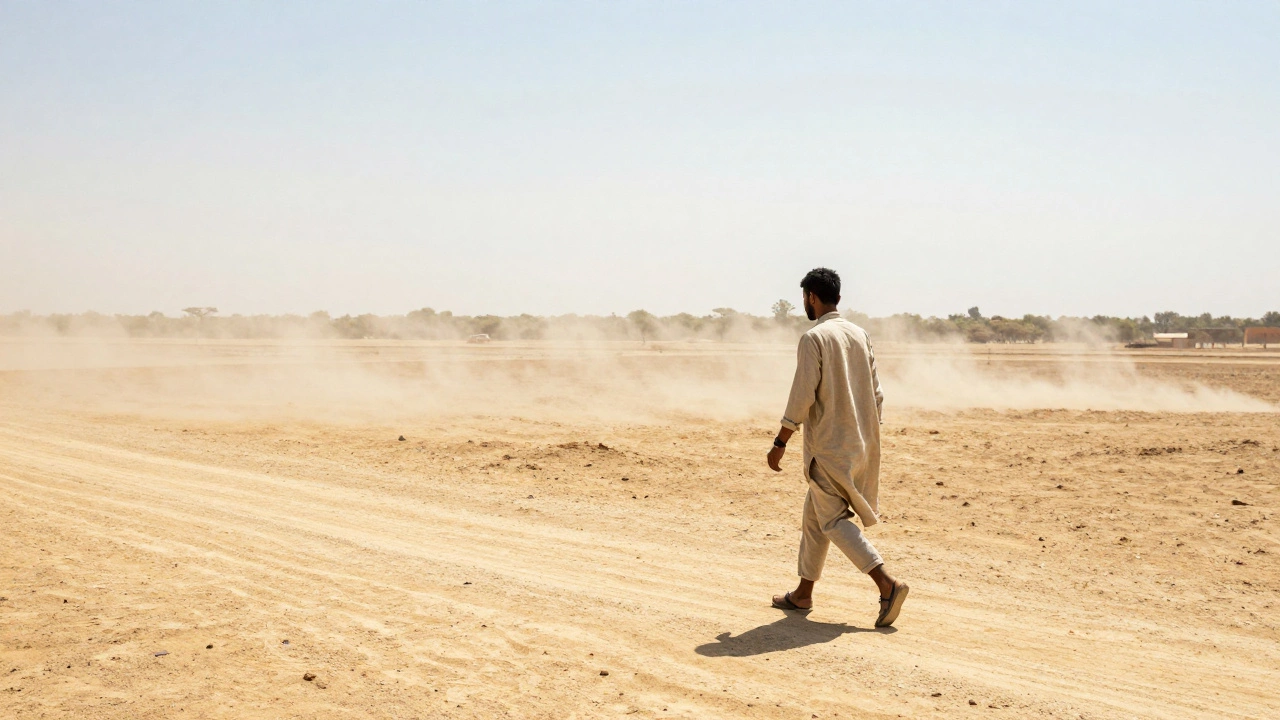
During a heatwave, the air can become visibly shimmering above the roads. The wind, known locally as Loo, blows hot and dry. It can cause dehydration in a matter of minutes. You might feel dizzy or lightheaded without warning. This is not just discomfort; it is a physiological risk. The body struggles to cool itself when the ambient temperature is higher than your skin temperature.
These events are not rare. They happen almost every year in May. In some years, the heat persists well into June. If you are traveling during this window, you need to monitor the news. Local radio and weather apps will announce heatwave warnings. Ignoring them can lead to serious health complications.

Impact on Travel Logistics
Planning a trip involves more than just packing clothes. The heat affects how you move around. Trains and buses often run on tight schedules, but delays happen. Railways sometimes suspend services during extreme heat to prevent track buckling. This is a safety measure. Steel rails expand in the heat, and if they aren't managed, they can warp.
Flights are generally safer, but airport terminals can be sweltering if the AC fails. The tarmac is incredibly hot. Walking from the plane to the terminal in a long corridor can feel like a sauna. You should wear sunglasses and a hat even just for this short walk. Ground transport like auto-rickshaws often lack air conditioning. Riding one in the midday sun is an experience you might regret.
Hotels become your sanctuary. Check the cooling systems before you book. Older properties might rely on fans, which are useless when the air is 45°C. You need reliable air conditioning. It is not a luxury; it is a necessity for sleep. Without it, you will not recover from the day's heat.
Health and Safety Preparation
Your body needs specific care during this season. Hydration is the first rule. Water alone is not enough. You lose salts through sweat. You need electrolytes. Drinks like chaas (buttermilk) or oral rehydration solutions are common in local markets. Carry a bottle of water with you at all times. Do not wait until you are thirsty to drink.
Clothing matters immensely. Cotton is the best fabric. It breathes and absorbs sweat. Avoid synthetic materials like polyester. They trap heat against your skin. Light colors reflect sunlight, while dark colors absorb it. Wear loose-fitting shirts and pants. Covering your skin actually protects you from direct sunburn, even if it feels warmer.
Timing your day is crucial. The window between 10 AM and 4 PM is the danger zone. Plan your indoor activities for this time. Visit museums, galleries, or shopping malls. Save the outdoor sightseeing for 6 AM to 9 AM. The light is better for photos, and the temperature is manageable. After 5 PM, the sun starts to soften, but the heat radiating from the ground remains. Be patient.
Why Not Visit During Summer?
Is there any reason to go in May? For some, the crowds are smaller. Tourist sites like the Taj Mahal are less packed. The prices for hotels drop significantly. If you are on a strict budget, this might be tempting. However, the trade-off is your physical comfort and health. Unless you have a specific reason to be there, it is usually better to wait.
The best time to visit is the winter season. From November to February, the days are pleasant and the nights are cool. You can walk around without sweating. The air is crisp. This is when the region truly shines for tourism. If you must travel in summer, consider the hill stations. Places like Shimla or Manali in the Himalayas offer a cool escape. They are part of the northern region but sit at high altitudes. The temperature there is often 15 to 20 degrees lower than the plains.
The Monsoon Transition
By late June, the weather shifts. The Monsoon arrives. This brings rain and a drop in temperature. However, it also brings high humidity. The heat doesn't disappear; it just changes form. It becomes muggy. Roads can flood. Travel plans can get disrupted by sudden downpours. If you are avoiding the dry heat of May, the early monsoon might not be the perfect solution either. It is a different kind of challenge.
Understanding the climate cycle helps you choose. If you want dry heat, May is the peak. If you want rain, wait for July. If you want comfort, aim for winter. The region is beautiful year-round, but the summer demands respect. It is a powerful force of nature that shapes the landscape and the lifestyle of the people there.
Which month is the hottest in Northern India?
May is consistently the hottest month in Northern India, with temperatures often exceeding 40°C in major cities like Delhi and Agra.
Is June hotter than May in the north?
Early June can be as hot as May, but by mid-June, the monsoon usually begins to lower the temperatures slightly, though humidity increases.
Can I visit the Taj Mahal in May?
Yes, but it is extremely hot. You should visit early in the morning around sunrise to avoid the intense midday heat.
What should I pack for a summer trip to North India?
Pack light cotton clothing, a wide-brimmed hat, sunglasses, sunscreen, and electrolyte drinks. Comfortable walking shoes are also essential.
Are there places in the north that are cool in summer?
Yes, hill stations like Shimla, Manali, and Nainital in the Himalayan region remain much cooler during the summer months.