Find Your Perfect Indian Beach Match
Answer these quick questions to discover which of India's most stunning coastlines is the perfect fit for your next trip.
Beach Name
LocationBest For
...
Crowd Level
...
You’ve probably seen photos of white sand and turquoise water that look too perfect to be real. But here’s the twist: some of the most stunning coastlines aren’t in the Maldives or Bora Bora. They’re right here in India. If you’re asking where is the prettiest beach ever, the answer isn’t a single pin on a map-it’s a debate between raw wilderness, cultural charm, and untouched luxury. Let’s cut through the noise and find out which stretch of sand actually earns the title.
The Contender for the Crown: Radhanagar Beach
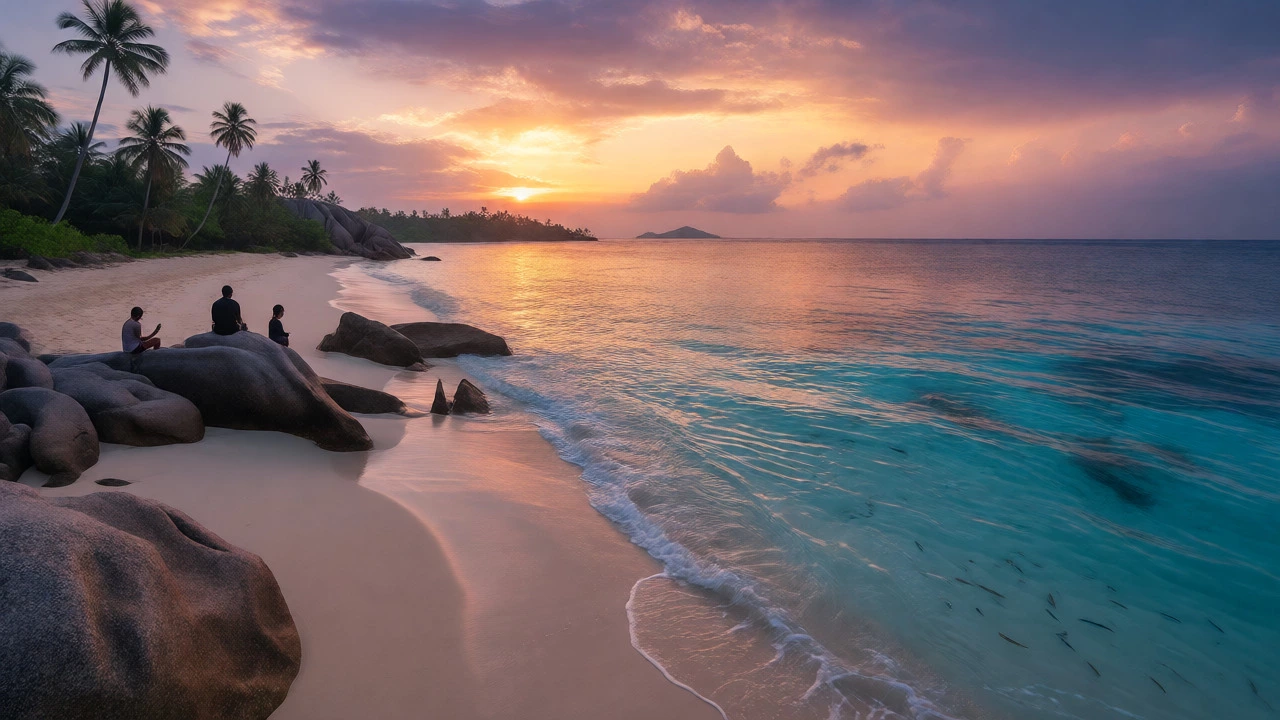
If you ask travel photographers and serious beachgoers, one name comes up more than any other: Radhanagar Beach on Havelock Island. It is a pristine coastal destination known for its powdery white sand and clear blue waters. Located in the Andaman and Nicobar Islands, this spot was once voted Asia’s best beach by Time Magazine. Why does it hold up?
It’s not just about looks. The vibe is different. There are no loud shacks blasting Bollywood hits. No jet skis tearing up the silence. You walk onto soft sand that feels like powdered sugar. The water is so clear you can see fish darting around your ankles without wearing goggles. Sunset here is a ritual. People sit on the rocks, watch the sky turn purple and orange, and leave their phones in their bags. It’s rare to find a place that forces you to slow down.
Why "Prettiest" Is Subjective (And How to Choose)
Beauty is in the eye of the beholder, but certain criteria make a beach stand out. Are you looking for solitude? Party vibes? Or historical context? Here’s how the top contenders stack up against each other.
| Beach Name | Location | Best For | Crowd Level | Unique Feature |
|---|---|---|---|---|
| Radhanagar Beach | Andaman & Nicobar | Sunsets & Swimming | Moderate | Powdery white sand |
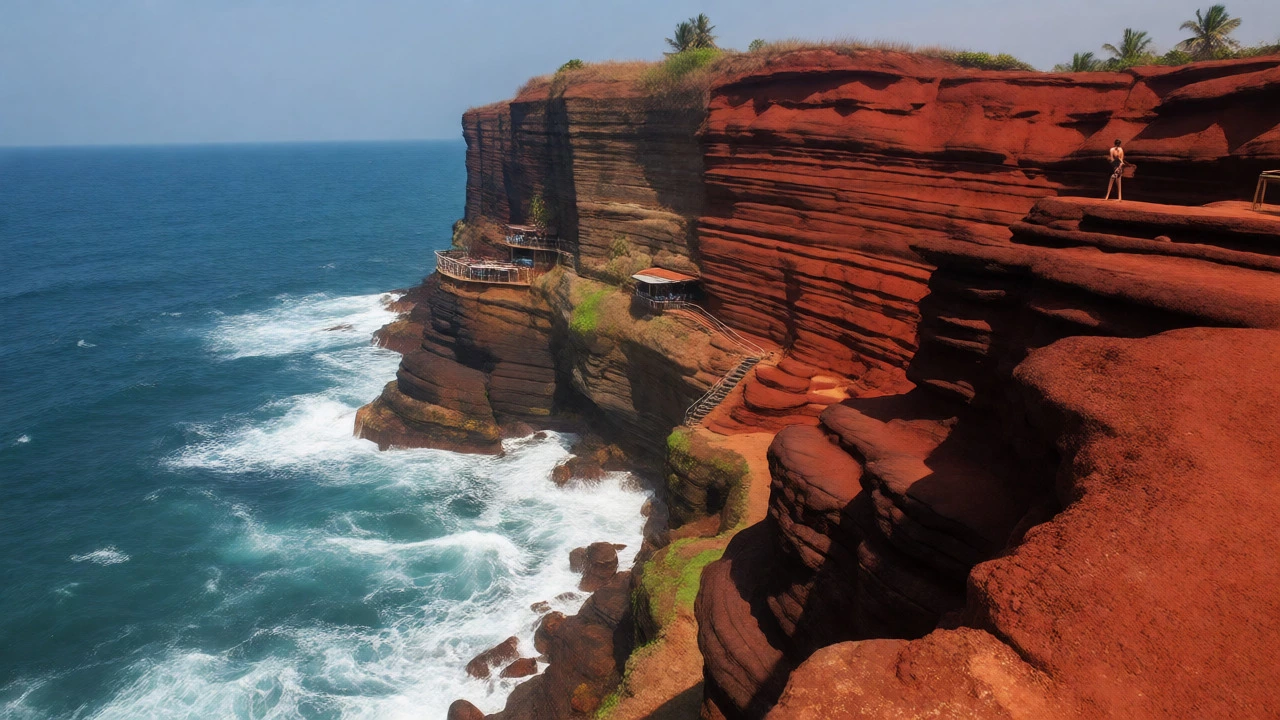
| Varkala Beach | Kerala | Cliff Views & Yoga | High | Red cliffs meeting the sea |
| Ashwem Beach | Goa | Nightlife & Luxury | Very High | Shack culture & parties |
| Gokarna Beach | Karnataka | Trekking & Solitude | Low | Accessible only by trek |
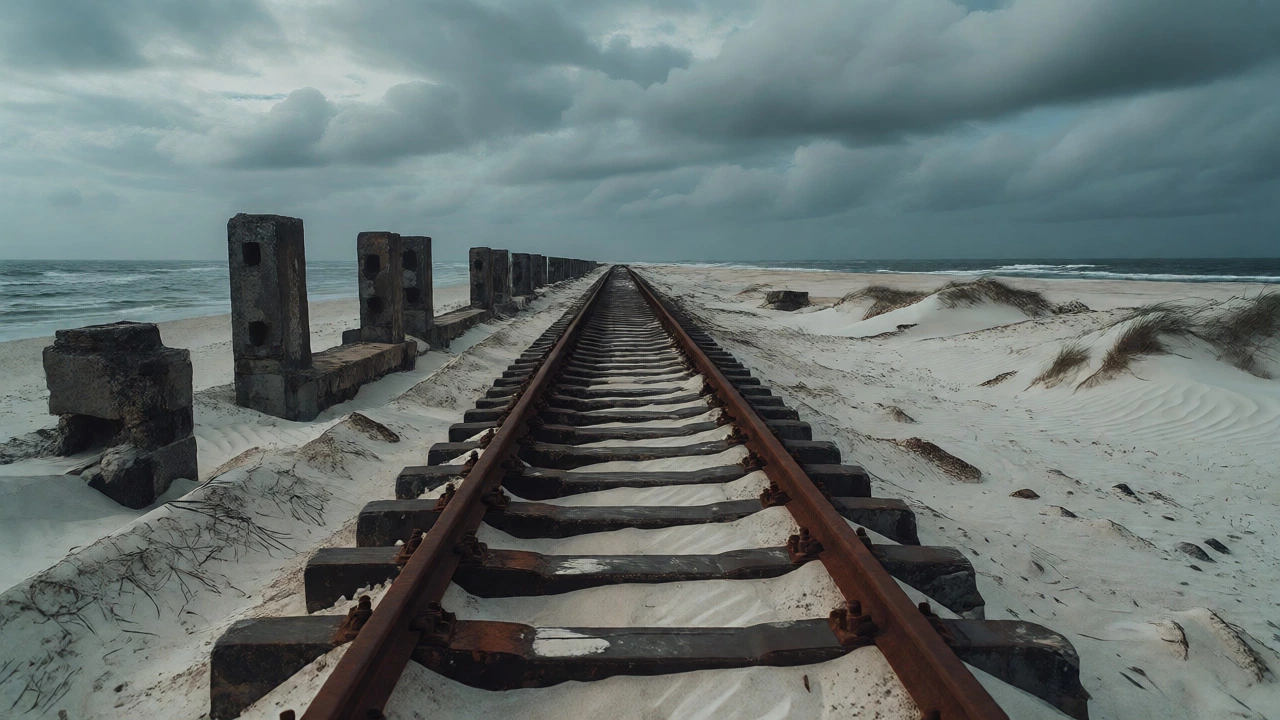
| Dhanushkodi | Tamil Nadu | Road Trips & History | Low | Ghost town ruins |
The Cliffside Spectacle: Varkala Beach
Move away from the islands, and you hit the mainland’s most dramatic coastline. Varkala Beach in Kerala is famous for its red laterite cliffs rising sharply above the Arabian Sea. This isn’t your typical flat sandy strip. The geography creates a natural amphitheater. Cafes hang off the cliff edge, offering views that feel almost dangerous in their beauty.
Varkala attracts a specific crowd. Think backpackers, yoga enthusiasts, and digital nomads. The energy is bohemian. You’ll find Ayurvedic centers next to vegan cafes. The sand here is darker, coarser than Radhanagar, but the view compensates tenfold. Watching the sunrise from the northern cliff gives you a sense of scale that flat beaches simply can’t match. It’s pretty in a rugged, untamed way.
Goa’s Hidden Gem: Ashwem Beach
Everyone knows Goa. But most tourists stick to Calangute or Baga, which are crowded and commercial. If you want the “pretty” version of Goa, head north to Ashwem Beach. It is a quieter stretch of coastline known for its golden sands and upscale beach shacks.
Ashwem strikes a balance. It has the infrastructure of North Goa-clean toilets, good food, comfortable loungers-but lacks the chaotic noise. The palm trees lean over the shore, creating natural shade spots. It’s where people go when they want the Goa experience without the headache. The water is calm enough for swimming, and the sunset views are framed by fishing boats returning to port. It’s polished, accessible, and visually pleasing.
The Untouched Frontier: Gokarna’s Om Beach
For those who think “pretty” means “untouched,” Karnataka’s Gokarna offers a stark contrast to Goa. Specifically, Om Beach gets its name because the shoreline curves into the shape of the Hindu symbol “Om.” To get there, you often have to hike down from the main temple area. This filter keeps the crowds away.
The result is a serene environment. Rocks line the edges, making it great for snorkeling if you’re adventurous. The vibe is spiritual and laid-back. You won’t find loud music here. Instead, you hear waves crashing against the rocks and birds calling from the nearby forest. It’s beautiful in a minimalist, Zen-like way. Perfect for reading a book or meditating while listening to the ocean.
The Ghost Coast: Dhanushkodi
Sometimes, beauty lies in melancholy. Dhanushkodi in Tamil Nadu is a ghost town destroyed by a cyclone in 1964, now featuring abandoned railway tracks leading into the sea. This isn’t a beach for sunbathing. It’s a beach for feeling something deep.
The landscape is barren yet striking. White sand stretches endlessly, meeting the Bay of Bengal on one side and the Palk Strait on the other. Ruined buildings stand as silent witnesses to nature’s power. The road ends abruptly at the water’s edge, with train tracks disappearing into the horizon. Photographers love it because every angle tells a story. It’s hauntingly pretty, reminding us that nature always wins in the end.
Practical Tips for Chasing the Perfect Shoreline
Knowing where to go is half the battle. Knowing when and how to get there ensures you actually enjoy the view. Here are some rules of thumb for visiting these spots:
- Timing Matters: Visit Radhanagar and Gokarna during early morning or late afternoon. Midday sun is harsh, and shadows ruin photography.
- Monsoon Awareness: Avoid the Andamans between May and September. The seas become rough, and ferries cancel frequently. Kerala’s monsoon (June-August) makes Varkala lush but unsafe for swimming.
- Respect Local Norms: In places like Gokarna and Dhanushkodi, dress modestly. These are sacred sites, not just party zones.
- Leave No Trace: The “prettiest” beaches stay pretty because people clean up after themselves. Carry a small bag for trash. Plastic ruins the aesthetic instantly.
Frequently Asked Questions
Is Radhanagar Beach really the best in Asia?
While rankings change, Radhanagar consistently appears in top lists due to its exceptional cleanliness, water clarity, and lack of commercial clutter. Its designation by major travel publications reflects genuine visitor satisfaction rather than just marketing hype.
Which Indian beach is safest for solo female travelers?
Varkala and Ashwem are generally considered safe and welcoming for solo women. Both have established tourist infrastructures, well-lit areas, and a community of respectful travelers. Always avoid isolated stretches after dark regardless of location.
Can I swim at all these beaches?
Not always. Radhanagar and Ashwem are excellent for swimming. Varkala has strong currents and rocky bottoms, so caution is needed. Dhanushkodi is mostly for viewing, not swimming, due to unpredictable tides and lack of lifeguards.
How expensive is it to visit Havelock Island?
It varies widely. Budget hostels start around ₹800 per night, while luxury resorts can cost ₹15,000+. Ferry tickets range from ₹700 to ₹2,000 depending on the vessel type. Food costs are comparable to mainland cities, though slightly higher due to logistics.
What is the best time to visit Gokarna?
October to March is ideal. The weather is pleasant, the sea is calm, and the festivals add cultural flavor. Summer months are hot and humid, while monsoons bring heavy rains that can make trekking difficult.
Final Thoughts on Finding Your Perfect Shore
There is no objective “prettiest” beach. Radhanagar wins for pure aesthetics. Varkala wins for drama. Ashwem wins for comfort. Gokarna wins for peace. Dhanushkodi wins for soul. Your choice depends on what you need from a vacation. Do you want to disconnect? Go to Gokarna. Do you want to be seen? Go to Ashwem. Do you want awe? Go to Varkala. Pack light, respect the environment, and let the ocean do the rest.