UNESCO World Heritage Sites Explorer (2026)
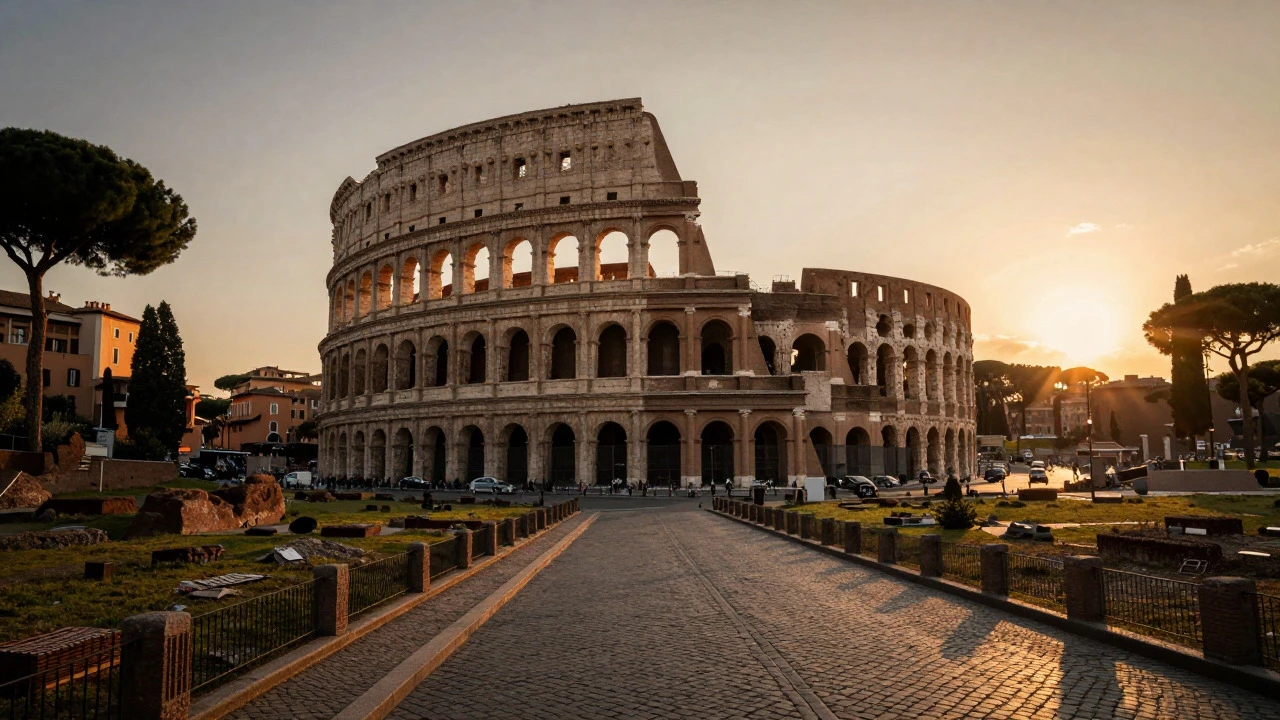
Italy holds the record for the highest number of UNESCO World Heritage Sites in the world. As of 2026, Italy boasts 59 inscribed properties on the prestigious list. This places it firmly ahead of second-place China, which has 58 sites. The gap between these two nations is razor-thin, but Italy’s deep historical layers-from ancient Roman ruins to Renaissance masterpieces-give it the edge.
If you are planning a trip focused on history, art, or architecture, knowing which countries lead this list helps you prioritize your itinerary. It also reveals how different cultures preserve their past. You might expect a massive country like Russia or the USA to be at the top, but heritage density often beats sheer landmass. Let’s break down the leaders, what makes them special, and why this ranking matters for travelers.
The Top Three Nations: A Tight Race
The competition for the top spot is intense. Only three countries have crossed the threshold of 50 sites, and they represent distinct approaches to preservation.
| Rank | Country | Total Sites | Cultural | Natural | Mixed |
|---|---|---|---|---|---|
| 1 | Italy | 59 | 54 | 3 | 2 |
| 2 | China | 58 | 40 | 14 | 4 |
| 3 | Germany | 54 | 51 | 2 | 1 |
Italy’s dominance comes from its role as the cradle of Western civilization. Many of its sites are urban landscapes, meaning you can walk through a World Heritage Site just by strolling down the street in Rome, Florence, or Venice. China’s high count reflects both its immense size and its diverse geography, ranging from the Great Wall to natural wonders like the Jiuzhaigou Valley. Germany rounds out the top three with a strong focus on medieval towns, industrial heritage, and modernist architecture.
Why Italy Leads the Pack
You might wonder how a relatively small country maintains such a high number. The answer lies in continuity. For over two millennia, Italy has been a center of political power, artistic innovation, and religious significance. When UNESCO established the World Heritage Convention in 1972, Italy was one of the first signatories and aggressively nominated its treasures.
Consider the concentration of sites in specific regions. The city of Rome alone contains multiple entries, including the Historic Centre of Rome and the Vatican City. The Amalfi Coast, Pompeii, and the historic centers of Siena and Florence are all separate listings. Unlike other countries where sites are scattered across vast distances, Italian heritage is densely packed. This makes it easier for travelers to visit several sites in a short period without spending days on transportation.
Another factor is the type of heritage preserved. Italy excels in cultural heritage, which accounts for 54 of its 59 sites. These include architectural ensembles, archaeological areas, and urban landscapes. While natural sites are crucial, they are harder to maintain and often face greater threats from climate change and tourism pressure. Cultural sites, while requiring constant restoration, offer a more stable category for nomination and preservation.
China’s Diverse Portfolio
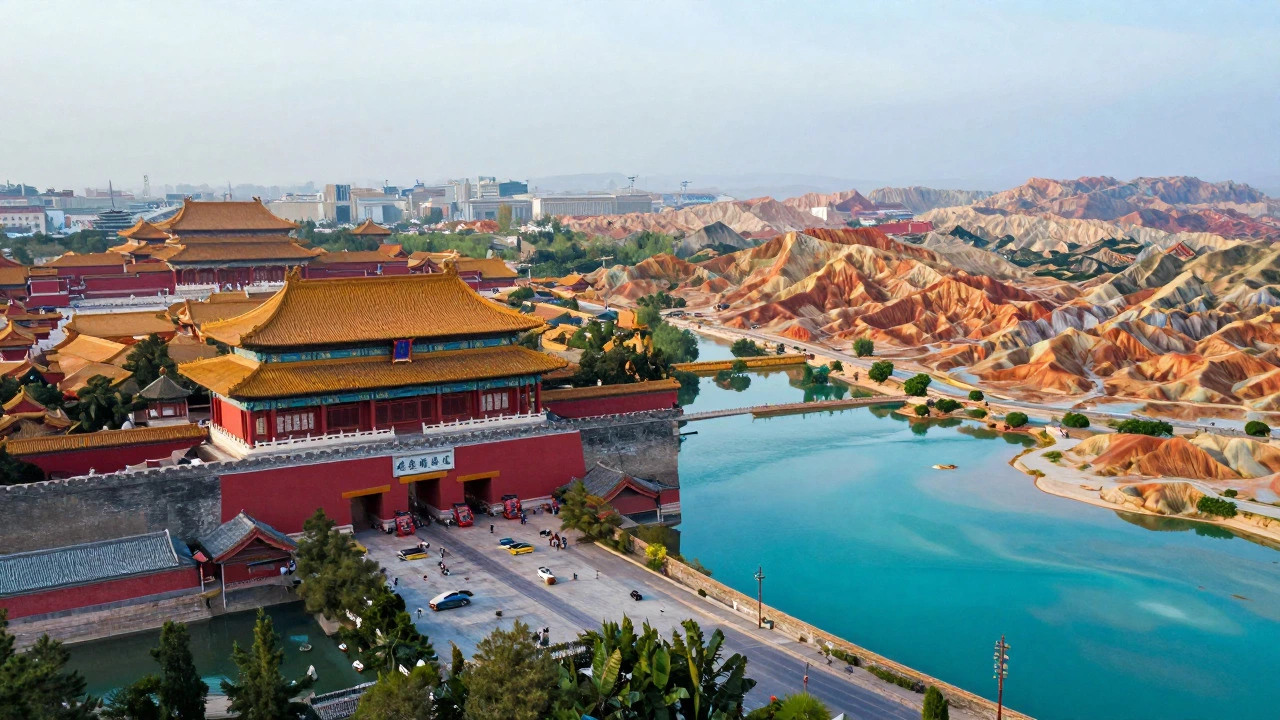
China’s rise to second place is no accident. With a history spanning thousands of years and a territory that covers multiple climatic zones, China offers a variety of heritage types that few other nations can match. Its 58 sites include iconic structures like the Forbidden City and the Terracotta Army, but also vast natural reserves like the South China Karst and the Three Parallel Rivers of Yunnan Province.
What sets China apart is its balance between cultural and natural heritage. While Italy leans heavily toward culture, China has 14 natural sites and 4 mixed sites (those combining both cultural and natural values). This diversity appeals to a broader range of travelers. If you are interested in biodiversity, ancient dynasties, and ethnic minority cultures, China provides a comprehensive experience.
However, managing such a large number of sites presents challenges. Rapid urbanization and industrial growth have put pressure on some heritage locations. Conservation efforts in China have become more sophisticated in recent years, with significant government investment in restoring ancient cities and protecting natural parks. The result is a dynamic landscape where tradition and modernity coexist, sometimes tensely.
Germany: The European Powerhouse
Germany’s position as the third-highest holder of World Heritage Sites highlights Europe’s overall dominance in this arena. With 54 sites, Germany showcases a different kind of heritage story. Much of its listing focuses on the Middle Ages, the Enlightenment, and the Industrial Revolution. Cities like Berlin, Dresden, and Cologne feature prominently, along with unique sites like the Upper Middle Rhine Valley and the Wadden Sea.
Germany’s approach to heritage preservation emphasizes community involvement and sustainable tourism. Many of its sites are integrated into daily life, allowing residents and visitors to interact with history in a meaningful way. This model has influenced heritage management practices worldwide, demonstrating that preservation does not require freezing a place in time.
Where Does India Stand?
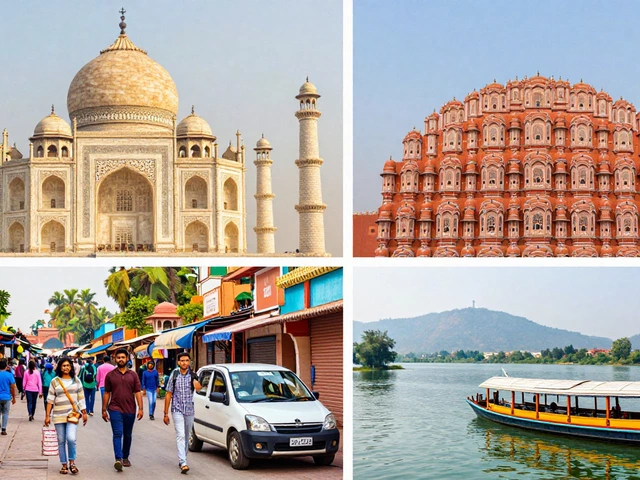
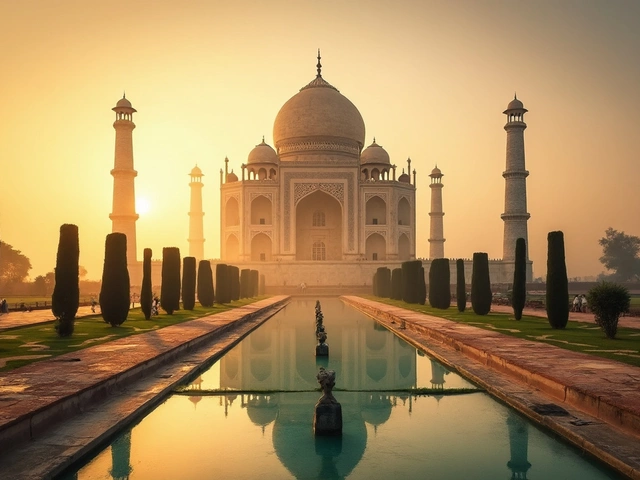
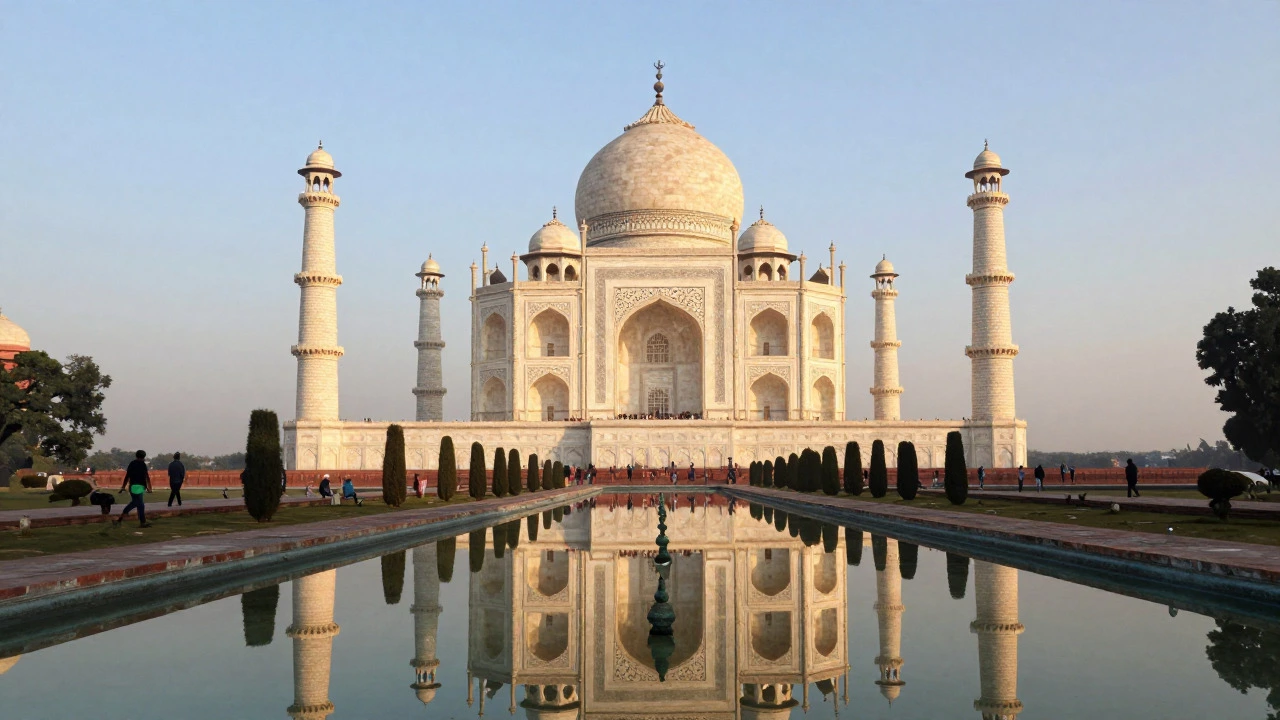
Given the context of heritage sites in India, it is important to address its position. India currently ranks fifth globally with 42 World Heritage Sites. This is a significant achievement, reflecting the subcontinent’s rich tapestry of civilizations, religions, and empires. From the Taj Mahal to the Sun Temple at Konark, India’s sites attract millions of visitors annually.
India’s heritage is characterized by its spiritual and architectural diversity. Hindu temples, Buddhist monasteries, Islamic forts, and colonial-era buildings all contribute to its list. Recent additions include sites related to the Indus Valley Civilization and early Christian communities. Despite its high ranking, India faces challenges similar to those in China, including population pressure, pollution, and the need for better infrastructure around heritage zones.
For travelers focusing on India, the density of sites in certain states like Rajasthan, Uttar Pradesh, and Tamil Nadu makes it feasible to create multi-site itineraries. The Indian government has launched initiatives to improve visitor facilities and promote lesser-known heritage destinations, aiming to distribute tourism benefits more evenly.
Understanding the Criteria: What Makes a Site “World Heritage”?
Not every old building or beautiful landscape qualifies. To be inscribed, a site must meet at least one of ten selection criteria set by UNESCO. Six are cultural, and four are natural. For example, Criterion (i) requires a site to represent a masterpiece of human creative genius, while Criterion (vii) looks for superlative natural phenomena or areas of exceptional natural beauty.
This rigorous process ensures that only the most significant sites are included. It also means that the list is not static. New sites are added every year during the annual session of the World Heritage Committee. Some sites may even be delisted if they fail to meet conservation standards, though this is rare.
Understanding these criteria helps you appreciate why certain places are highlighted. It shifts the focus from mere age to universal value. A site doesn’t have to be the oldest to be important; it needs to tell a story that resonates across borders and generations.
Travel Tips for Visiting Heritage Sites
Visiting World Heritage Sites requires preparation. Here are some practical tips to enhance your experience:
- Book in Advance: Popular sites like the Colosseum in Italy or the Forbidden City in China often require timed entry tickets. Booking online weeks or months ahead can save hours of waiting.
- Hire Local Guides: A knowledgeable guide can bring a site to life, explaining historical context and hidden details that you might miss otherwise. Look for licensed guides recommended by official tourism boards.
- Respect Preservation Rules: Many sites have strict rules about photography, touching artifacts, or walking off designated paths. Following these rules helps protect the site for future generations.
- Visit During Off-Peak Hours: Early mornings or late afternoons usually offer fewer crowds and better lighting for photos. In summer, midday visits can be exhausting due to heat.
- Support Local Communities: Choose locally owned hotels, restaurants, and tour operators. Your spending directly supports the people who live near and care for these heritage sites.
The Future of Heritage Preservation
As climate change accelerates, World Heritage Sites face new threats. Rising sea levels endanger coastal sites like Venice and the Galápagos Islands. Extreme weather events damage infrastructure and disrupt ecosystems. UNESCO is increasingly collaborating with scientists and local governments to develop adaptation strategies.
Digital technology is also playing a larger role. Virtual reality tours allow people to explore fragile sites without physically visiting them, reducing wear and tear. High-resolution 3D scans help conservators monitor structural changes and plan repairs. These innovations promise to make heritage access more inclusive and sustainable.
Ultimately, the goal of the World Heritage List is not just to catalog treasures but to inspire action. By recognizing shared human and natural values, it encourages global cooperation in preservation. Whether you are traveling to Italy, China, Germany, or India, you become part of this effort simply by visiting responsibly.
Which country has the most UNESCO World Heritage Sites in 2026?
Italy has the most UNESCO World Heritage Sites with 59 inscribed properties. China follows closely with 58 sites, and Germany is third with 54.
How many World Heritage Sites does India have?
India has 42 World Heritage Sites, placing it fifth globally. Notable sites include the Taj Mahal, Hampi, and the Ajanta Caves.
What is the difference between cultural and natural heritage sites?
Cultural heritage sites include monuments, buildings, and urban landscapes created by humans. Natural heritage sites feature physical, biological formations, or habitats of threatened species. Mixed sites combine both elements.
Can any country nominate a site for World Heritage status?
Yes, but the country must be a party to the World Heritage Convention. Nominations undergo a rigorous evaluation process by UNESCO experts before final approval by the World Heritage Committee.
Why does Italy have so many heritage sites compared to larger countries?
Italy’s high number stems from its dense concentration of historical and artistic achievements over centuries. Many of its sites are urban centers where heritage is integrated into daily life, unlike larger countries where sites may be more spread out.