Find Your Hiking Capital
There is no single "Hiking Capital" of India. Use this tool to find which region matches your travel style, fitness level, and schedule.
Recommended Destination
- Best For:
- Peak Season:
- Difficulty:
- Accessibility:
- Top Trek Example:
You ask which place holds the title of the hiking capital of India. It’s a tricky question because India doesn’t have one single city that owns this crown. Instead, it has regions that compete fiercely for the spot depending on what kind of hiker you are. If you want high-altitude snow and dramatic peaks, the answer points to the Himalayas. If you prefer lush greenery, waterfalls, and monsoon magic, the Western Ghats take the lead. This guide breaks down the top contenders so you can decide which region deserves your next pair of boots.
The Case for Uttarakhand: The Himalayan Hub
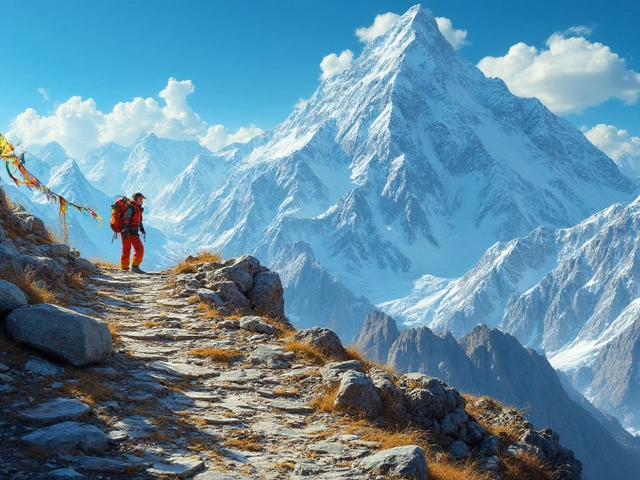
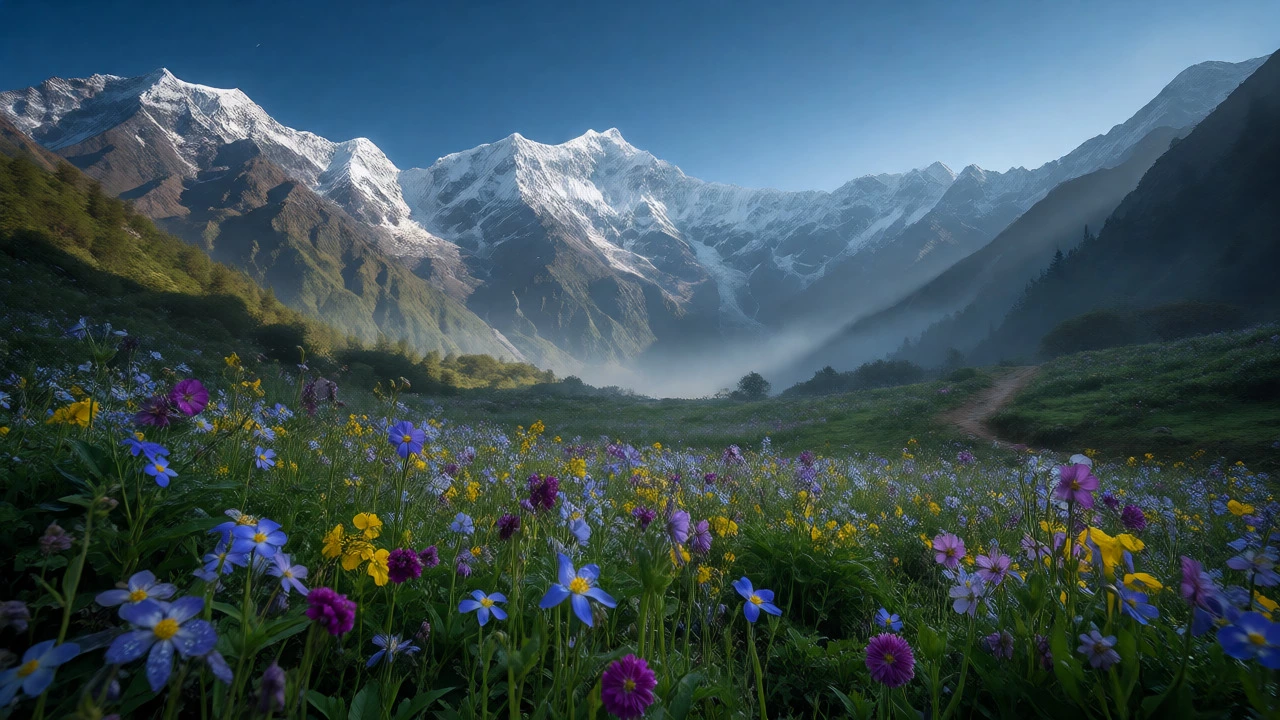
When most people think of serious trekking in India, their minds go straight to Uttarakhand. Often called "Devbhoomi" or Land of Gods, this state hosts some of the most accessible and famous trails in the country. Why does it often get the vote for the hiking capital? Accessibility. You can fly into Dehradun or New Delhi and be at the base camp of major treks within a day or two. The variety here is unmatched. You have the Valley of Flowers National Park, a UNESCO World Heritage site known for its rare alpine blooms. Then there is Roopkund, famous for its mysterious skeletal remains and stunning glacial views. For beginners, the Chopta-Tungnath trek offers a gentle introduction to high-altitude hiking without the extreme physical toll of crossing passes above 15,000 feet. Uttarakhand provides infrastructure too-local guides are plentiful, tea houses dot the trails, and rescue services are more established than in remote areas like Ladakh.
Kashmir: The Alpine Dreamland
If beauty is your primary metric, Kashmir might steal the title. The Great Lakes Trail is frequently cited by international magazines as one of the top ten treks in the world. It connects seven high-altitude glacial lakes over nine days. The terrain shifts from dense pine forests to barren moonscapes, offering a visual feast that few other Indian destinations can match. However, calling Kashmir the hiking capital comes with caveats. The season is short-mostly July to September. Security concerns, though much improved, still require travelers to stay updated on local advisories. Unlike Uttarakhand, the infrastructure is less developed. You’ll often need to hire porters and mules for gear, which adds cost and logistical complexity. But if you are chasing postcard-perfect landscapes and don’t mind planning months in advance, Kashmir delivers an experience that feels exclusive and raw.
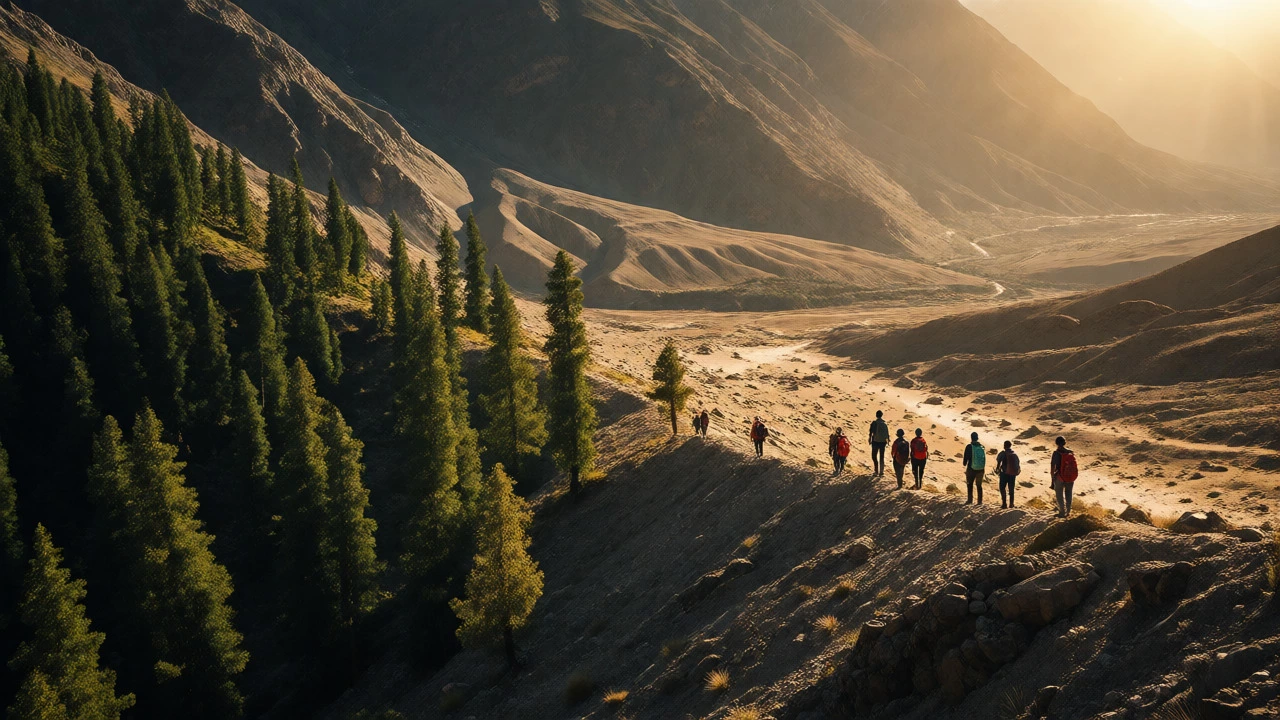
Himachal Pradesh: The Adventure Playground
Himachal Pradesh sits right between the ease of Uttarakhand and the remoteness of Kashmir. Towns like Manali and Shimla serve as gateways to iconic routes such as Hampta Pass and Pin Parvati. These treks are popular among young backpackers and college students because they offer a mix of challenge and camaraderie. Hampta Pass, for instance, takes you from the lush Kullu valley to the arid Spiti desert in just four days. It’s a dramatic geographical shift that teaches you about climate zones firsthand. Himachal also boasts excellent connectivity via road, making it easier for those who prefer driving over flying. The state has a robust network of homestays and budget hotels, which keeps costs lower than in Kashmir. If you want a balance of adventure, social interaction, and manageable logistics, Himachal is a strong contender for the title.
The Western Ghats: The Monsoon King
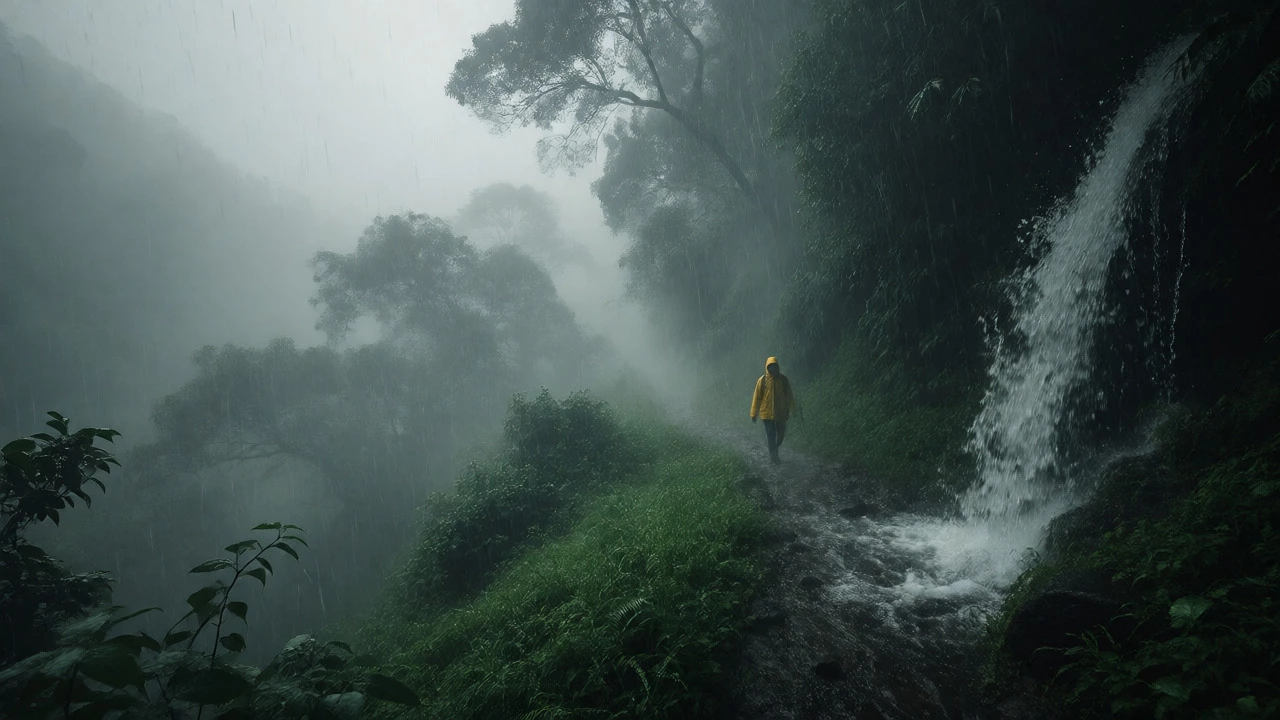
Let’s step away from the snow-capped peaks for a moment. In the south and west, the Western Ghats offer a completely different hiking culture. This UNESCO World Heritage mountain range runs parallel to India’s western coast. States like Maharashtra, Karnataka, Kerala, and Tamil Nadu all claim parts of this biodiversity hotspot. For many Indians, especially those living in Mumbai or Bangalore, the Western Ghats are the default hiking destination. You don’t need expensive gear or weeks off work. Weekends are enough. Treks like Rajmachi Fort near Lonavala or Kudremukh in Karnataka are easily reachable. During the monsoon (June to September), these hills transform into emerald carpets dotted with waterfalls. The air is thick with mist, and the leeches are notorious-but the scenery is worth every bite. While it lacks the high-altitude prestige of the Himalayas, the sheer volume of trails and frequency of hikes makes it arguably the most active "hiking hub" in terms of participation numbers.
Northeast India: The Untamed Frontier
If you consider "capital" to mean untapped potential and wild beauty, look no further than Northeast India. Meghalaya, Sikkim, and Arunachal Pradesh hold trails that remain largely uncommercialized. Living Root Bridges in Meghalaya aren’t just tourist spots; they are functional engineering marvels grown over decades. Sikkim’s Goecha La trek offers close-up views of Kanchenjunga, the world’s third-highest peak. The catch? Logistics. Roads are fewer, flights are limited, and permits are often required. There are fewer trained guides compared to Uttarakhand. This isn’t the place for your first-ever trek. But for seasoned hikers looking to escape the crowds, the Northeast feels like the true frontier of Indian hiking. It’s less about checking off a bucket list and more about immersing yourself in tribal cultures and pristine nature.
| Region | Best For | Peak Season | Difficulty Level | Accessibility |
|---|---|---|---|---|
| Uttarakhand | All levels, flora & fauna | April-June, Sept-Nov | Easy to Moderate | High (Road/Air) |
| Kashmir | Scenic beauty, advanced trekkers | July-September | Moderate to Hard | Moderate (Air/Road) |
| Himachal Pradesh | Backpackers, pass crossings | May-October | Moderate | High (Road) |
| Western Ghats | Weekend hikes, monsoon lovers | June-September | Easy to Moderate | Very High (Metro/City) |
| Northeast India | Culture, isolation, experts | Oct-March | Hard | Low (Limited Air/Road) |
How to Choose Your Hiking Capital
So, who wins? There is no objective winner. The "best" hiking capital depends entirely on your constraints and desires. Here is a quick decision tree to help you pick:
- Choose Uttarakhand if: You are a beginner or intermediate hiker wanting reliable infrastructure, good food options, and classic Himalayan views without extreme isolation.
- Choose Kashmir if: You prioritize scenic grandeur over convenience, have time for detailed planning, and want to witness some of the most beautiful landscapes on Earth.
- Choose Himachal Pradesh if: You are traveling with friends, enjoy a lively backpacker vibe, and want challenging passes like Hampta or Bhrigu Lake.
- Choose Western Ghats if: You live in Western/Southern India, have only weekends available, and love rain, waterfalls, and greenery over snow.
- Choose Northeast India if: You are an experienced trekker seeking solitude, cultural immersion, and trails that haven’t been overrun by tourism yet.
Is Manali considered the hiking capital of India?
Manali is a major gateway to Himalayan treks in Himachal Pradesh, but it is not officially designated as the hiking capital. It serves as a base for famous routes like Hampta Pass and Solang Valley, making it a key hub for adventure tourism rather than the sole capital of hiking in India.
What is the easiest trek for beginners in India?
Chopta-Tungnath in Uttarakhand and Rajmachi Fort in Maharashtra are widely regarded as some of the easiest treks for beginners. They require minimal technical skills, have well-marked paths, and offer rewarding views without extreme altitude sickness risks.
Which state has the most trekking trails in India?
Himachal Pradesh and Uttarakhand generally have the highest number of established and accessible trekking trails due to their extensive Himalayan ranges and developed tourism infrastructure. However, the Western Ghats in Maharashtra and Karnataka have a higher density of short-distance weekend trails.
Is trekking in the Western Ghats safe during monsoon?
Yes, trekking in the Western Ghats during the monsoon is popular and generally safe if you choose appropriate trails. Some high-altitude Himalayan treks become dangerous due to landslides, but the Ghats thrive in the rain. Just be prepared for slippery paths, leeches, and sudden weather changes.
Do I need special permits for trekking in Northeast India?
Yes, several states in Northeast India, such as Sikkim, Arunachal Pradesh, and Nagaland, require Inner Line Permits (ILP) or Protected Area Permits (PAP) for tourists. Always check the latest government guidelines before planning a trip, as regulations can change based on security situations.