Indian Sea Swimming Safety Checker
Select the region you plan to visit and the month of your trip.
Assess the visible signs at the beach before entering the water.
--
--
Analysis & Advice:
Picture this: you are standing on the golden sands of Goa, the sun is blazing, and the Arabian Sea looks invitingly blue. You take off your shoes and wade in. But wait-before that first splash, a nagging question pops up. Is it actually safe to swim in the sea in India? The short answer is yes, but with a massive asterisk. The Indian coastline stretches over 7,500 kilometers, offering everything from calm lagoons to rough, open-ocean waves. While millions of tourists swim safely every year, the ocean here behaves differently than you might be used to back home. Understanding the specific risks-from sneaky rip currents to seasonal monsoons-is the difference between a refreshing dip and a dangerous situation.
The Hidden Danger: Rip Currents
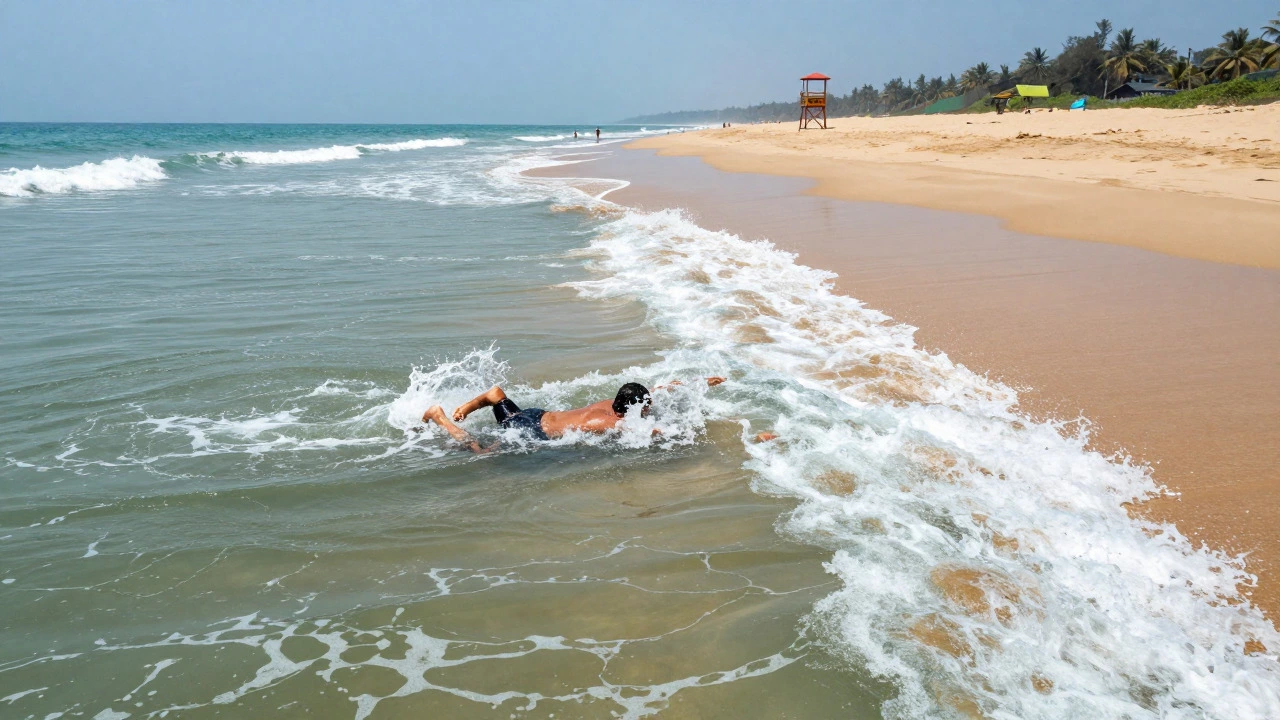
If there is one thing that kills more people at Indian beaches than sharks or pollution, it is rip currents. These narrow channels of fast-moving water flow away from the shore, dragging swimmers out into deeper water before they even realize what is happening. In India, these currents are common along the western coast, particularly in states like Goa, Kerala, and Maharashtra.
You can spot a rip current by looking for a gap in the breaking waves, often darker in color because the water is deeper and not churning up sand. If you get caught in one, panic is your worst enemy. Do not fight the current by swimming directly back to shore; you will exhaust yourself. Instead, swim parallel to the beach until you are out of the channel, then angle back toward land. Most lifeguards in popular spots like Candolim Beach or Varkala Beach are trained to help with this, but always check if flags are flying first.
Seasonal Risks: The Monsoon Factor
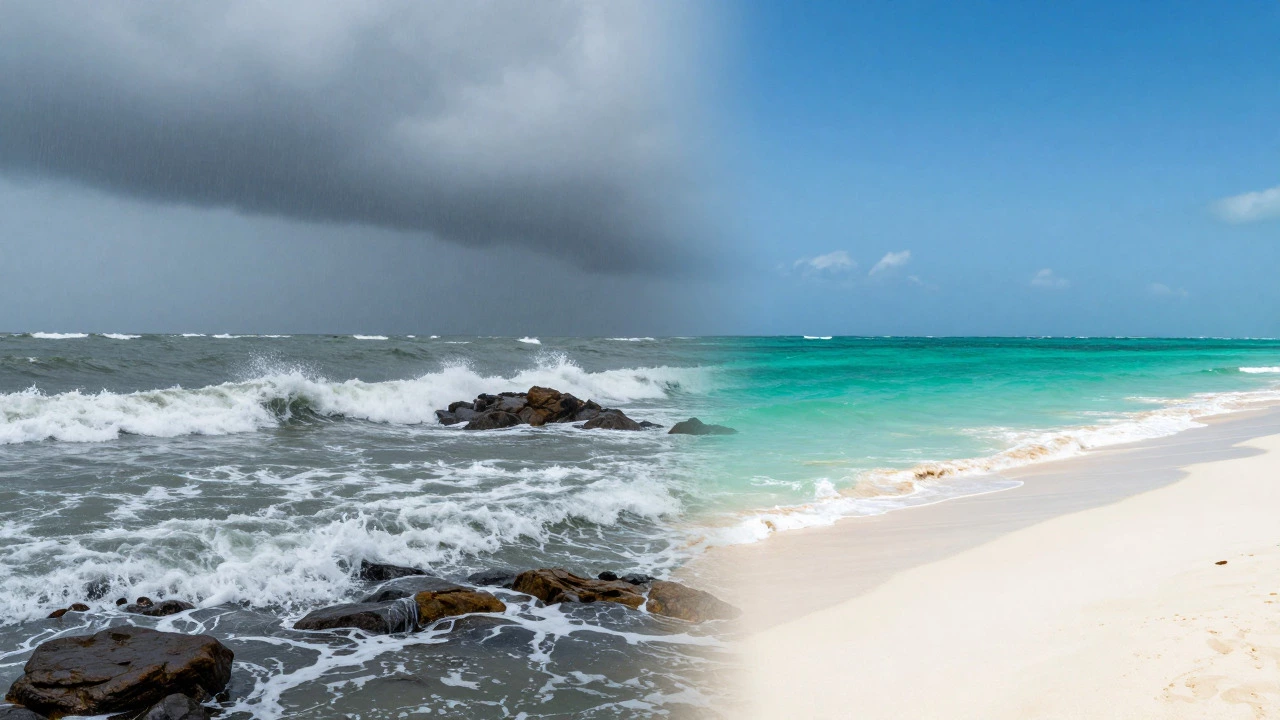
Timing is everything when planning a swim in India. The country experiences a dramatic shift in weather due to the monsoon season. From June to September, the southwest monsoon hits the western coast (Goa, Kerala, Karnataka), turning the sea into a turbulent, debris-filled hazard. During these months, swimming is often banned or highly discouraged because the waves are too strong, and visibility is near zero.
Conversely, the eastern coast (Tamil Nadu, Andhra Pradesh, Odisha) faces its rough seas during the northeast monsoon, typically from October to December. Places like Puri in Odisha see dangerous surge events during this period. For the safest swimming conditions, aim for the winter months, roughly November to February, when the seas are generally calmer across most of the country. However, even in winter, never swim alone or outside designated areas.
Pollution and Water Quality Concerns
Beyond physical dangers, water quality is a significant concern in many parts of India. Urban beaches located near major cities often suffer from runoff containing sewage, industrial waste, and plastic debris. Beaches in Mumbai, such as Juhu or Marine Drive, are primarily for walking and sunset views rather than swimming. The water here is frequently classified as polluted by local health departments.
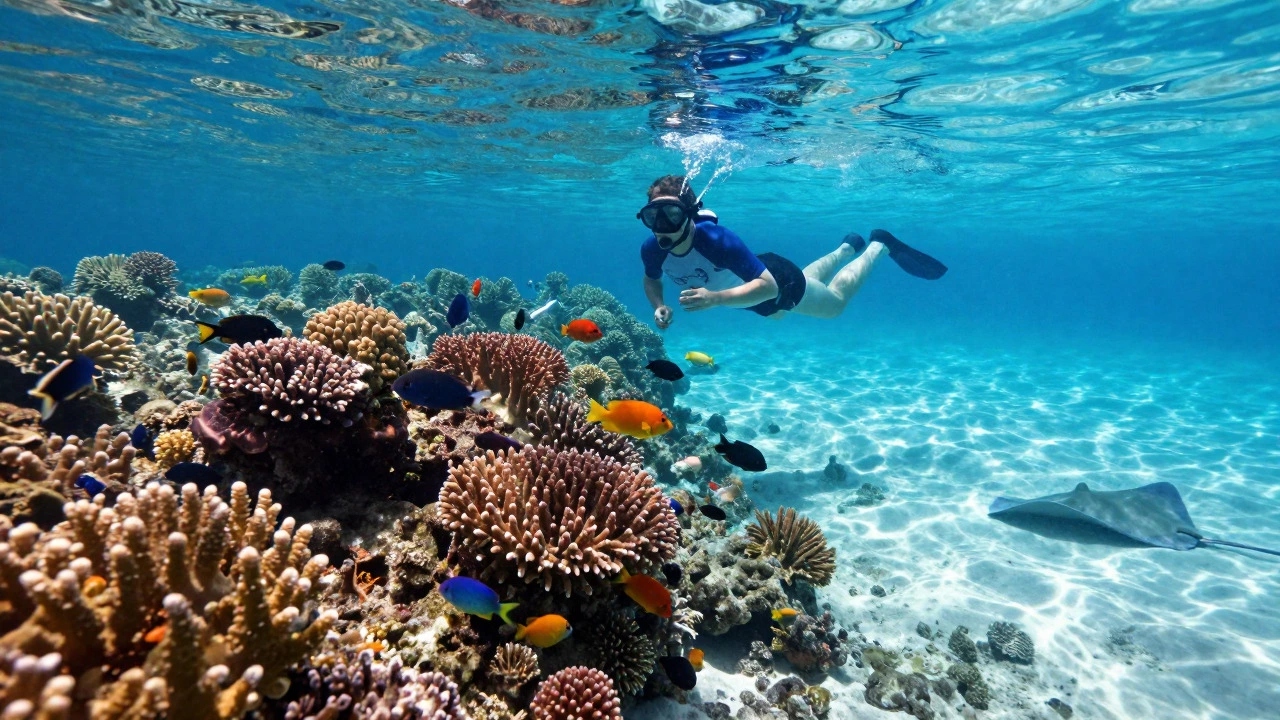
In contrast, remote islands and protected marine parks tend to have much cleaner water. The Andaman and Nicobar Islands are a prime example. Due to strict environmental regulations and their isolation, waters around Havelock Island and Neil Island are crystal clear and safe for swimming and snorkeling. Similarly, the backwaters of Kerala, while not the open sea, offer brackish water environments that are generally cleaner than urban coastal strips. Always look for signs indicating "Swimming Allowed" or ask locals about recent rainfall, which can wash pollutants into the ocean.
Sharks and Marine Life: Myth vs. Reality
Let’s address the elephant-or rather, the shark-in the room. Shark attacks in India are extremely rare compared to places like Australia or South Africa. According to data from the International Shark Attack File, India sees fewer than five reported incidents per year, and fatalities are even rarer. Most species found in Indian waters, such as the blacktip reef shark, are small and non-aggressive toward humans.
However, other marine life requires caution. Jellyfish stings are common, especially after monsoon rains bring them closer to shore. Wearing a rash guard can provide protection. Additionally, be mindful of stingrays in sandy shallows; shuffling your feet while walking into the water warns them of your presence and prevents accidental stepping on them. In the Andamans, keep an eye out for stonefish, which blend perfectly with the rocky seabed. Always wear sturdy footwear when exploring tidal pools.
Safety Infrastructure: Lifeguards and Flags
Not all Indian beaches are created equal when it comes to safety infrastructure. Popular tourist hubs like Gokarna in Karnataka or Chennai's Elliot's Beach usually have trained lifeguards on duty during peak hours. Look for the international flag system:
- Green Flag: Low hazard, calm conditions. Safe for swimming.
- Yellow Flag: Medium hazard, moderate surf or currents. Exercise caution.
- Red Flag: High hazard, strong currents or high surf. Swimming is discouraged or prohibited.
- Double Red Flag: Water closed to the public. Stay out.
If you do not see flags or lifeguards, assume the beach is unsupervised. This is common in smaller fishing villages or less commercialized stretches of coast. In these cases, stick to shallow waters where you can stand comfortably, and never turn your back on the ocean.
Best and Worst Beaches for Swimming
To help you plan, here is a breakdown of some well-known Indian beaches based on swimming safety:
| Beach Location | Region | Swimming Safety | Key Risks |
|---|---|---|---|
| Candolim Beach | Goa | Moderate | Rip currents, boat traffic |
| Radhanagar Beach | Andaman Islands | High | Strong tides, jellyfish |
| Juhu Beach | Mumbai | Low | Pollution, heavy traffic |
| Varkala Beach | Kerala | Moderate | Cliff erosion, strong waves |
| Gokarna Beaches | Karnataka | High | Lifeguard presence, calm coves |
| Puri Beach | Odisha | Variable | Monsoon surges, undertows |
Tips for Staying Safe in Indian Waters
Even at the safest beaches, personal responsibility plays a huge role. Here are practical tips to ensure your swim remains enjoyable:
- Never swim alone. Buddy systems save lives. If you are traveling solo, join a group activity or stay close to other swimmers.
- Avoid alcohol before swimming. Alcohol impairs judgment and reaction time, making it harder to handle unexpected waves or currents.
- Check tide times. Tides in India can change rapidly. Incoming tides can trap you against cliffs or rocks, while outgoing tides can expose sharp coral or rocks.
- Respect local warnings. If fishermen say the sea is angry, believe them. They know the waters better than any tourist guide.
- Use floatation aids. Especially for children or weak swimmers, a life jacket adds a crucial layer of safety.
Conclusion: Enjoying the Sea Responsibly
Swimming in the sea in India is absolutely possible and can be a highlight of your trip, provided you respect the ocean's power. By choosing the right season, picking safer locations like the Andamans or Gokarna, and staying alert to rip currents and pollution levels, you can minimize risks significantly. The beauty of India's coastline lies not just in its scenery but in the vibrant culture surrounding it. So, go ahead and take that dip-but do it smartly, safely, and with full awareness of your surroundings.
Are there sharks in Indian beaches?
Yes, sharks exist in Indian waters, but attacks are extremely rare. Most species are small and harmless. The risk is far lower than in countries like Australia or South Africa. Always swim in supervised areas to further reduce any minimal risk.
Which month is best for swimming in India?
The best time for swimming is during the winter months, from November to February. During this period, the monsoon has ended, seas are calmer, and visibility is higher. Avoid the monsoon seasons (June-September for west coast, Oct-Dec for east coast).
Is it safe to swim in Mumbai beaches?
Generally, no. Beaches like Juhu and Marine Drive in Mumbai are known for high pollution levels and heavy boat traffic. They are better suited for walking and enjoying the view rather than swimming. For safe swimming near Mumbai, consider traveling to Alibaug or Murud-Janjira.
What should I do if caught in a rip current?
Stay calm and do not swim directly against the current. Instead, swim parallel to the shoreline until you escape the current's pull, then angle back toward the beach. Conserve energy and signal for help if needed.
Are the Andaman Islands safe for swimming?
Yes, the Andaman Islands are among the safest places for swimming in India. The waters are clean, and many beaches have lifeguards. However, always check tide charts and watch for jellyfish, especially after rain.