India Monsoon Travel Planner
Region Name
Travel Impact
Description of impact...
Recommendation
Advice for traveler...
Best Time to Visit: --
Select a region to see monsoon details and travel advice.
You might think that because India is a tropical country, it rains everywhere at the same time. But if you plan your trip based on a single calendar date, you could be staring down a wall of water in Mumbai while enjoying clear skies in Delhi. The short answer to "which is the wettest month in India" is not one specific day on the calendar. It depends entirely on where you are standing.
For most of the subcontinent, July and August are the peak months for rainfall. However, the story changes drastically when you move from the western coast to the eastern delta or up into the Himalayas. Understanding these patterns is crucial if you want to avoid being stranded by floods or missing out on the lush green landscapes that only appear after the first heavy showers.
The Southwest Monsoon: The Main Rainmaker
The primary driver of rain in India is the Southwest Monsoon. This weather system brings moisture-laden winds from the Arabian Sea and the Bay of Bengal. These winds hit the Western Ghats (the mountain range running along India's west coast) and are forced upward, causing massive amounts of rain.
Because of this geography, the western states see their heaviest rains earlier than the rest of the country. In Kerala and Karnataka, the monsoon arrives in early June. By July, places like Mumbai and Goa are experiencing their peak rainfall. If you are looking for the absolute wettest conditions on the western side, July is usually the month to watch out for. Cities here can receive over 300mm of rain in just ten days.
As the winds move northward and eastward across the plains, they bring rain to central and northern India. This includes major tourist hubs like Rajasthan, Madhya Pradesh, and Uttar Pradesh. For these regions, August is often the wettest month. The heat breaks, the dust settles, and the landscape turns vibrant green. This is why many travelers prefer visiting North India in late September or October-the rain has stopped, but the scenery remains lush.
The Eastern Exception: Northeast India and the Delta
If you head to the eastern part of the country, the rules change completely. States like Meghalaya, Assam, and West Bengal have a different rhythm. Meghalaya contains Mawsynram, which holds the record for the highest average annual rainfall in the world. Here, the wettest months are also July and August, but the intensity is off the charts. We are talking about rain that falls almost continuously for weeks.
In the coastal areas of Odisha and Andhra Pradesh, the Southwest Monsoon brings moderate rain, but the real deluge comes later. These regions rely heavily on the Northeast Monsoon, which occurs between October and December. So, if you ask someone in Chennai or Kolkata about the wettest month, they will likely point to October or November, not July. This is a critical distinction for travelers planning an east-coast itinerary.
North India Tourism: Why Timing Matters
Since you are interested in North India tourism, let's look closer at how the wettest months affect your travel plans. North India includes diverse terrains, from the deserts of Rajasthan to the mountains of Himachal Pradesh and Uttarakhand.
| Region | Wettest Month | Travel Impact | Recommendation |
|---|---|---|---|
| Rajasthan (Desert) | August | Moderate rain; cools down extreme heat | Good for sightseeing; fewer crowds |
| Himachal Pradesh (Hills) | July-August | Landslides; road closures possible | Avoid remote treks; stick to main towns |
| Uttarakhand (Garhwal/Kumaon) | July-August | Flooding risk; temple access issues | Check weather forecasts daily |
| Delhi/NCR (Plains) | August | High humidity; occasional storms | Indoor activities preferred |
In the hilly regions of Himachal and Uttarakhand, the wettest months pose genuine risks. Landslides are common, and roads connecting popular destinations like Manali, Leh, and Kedarnath can get blocked for days. While the views are stunning with mist-covered peaks, the logistical challenges are real. If you love adventure sports like trekking or rafting, you need to check local conditions carefully. Many operators pause services during the peak of July and August due to safety concerns.
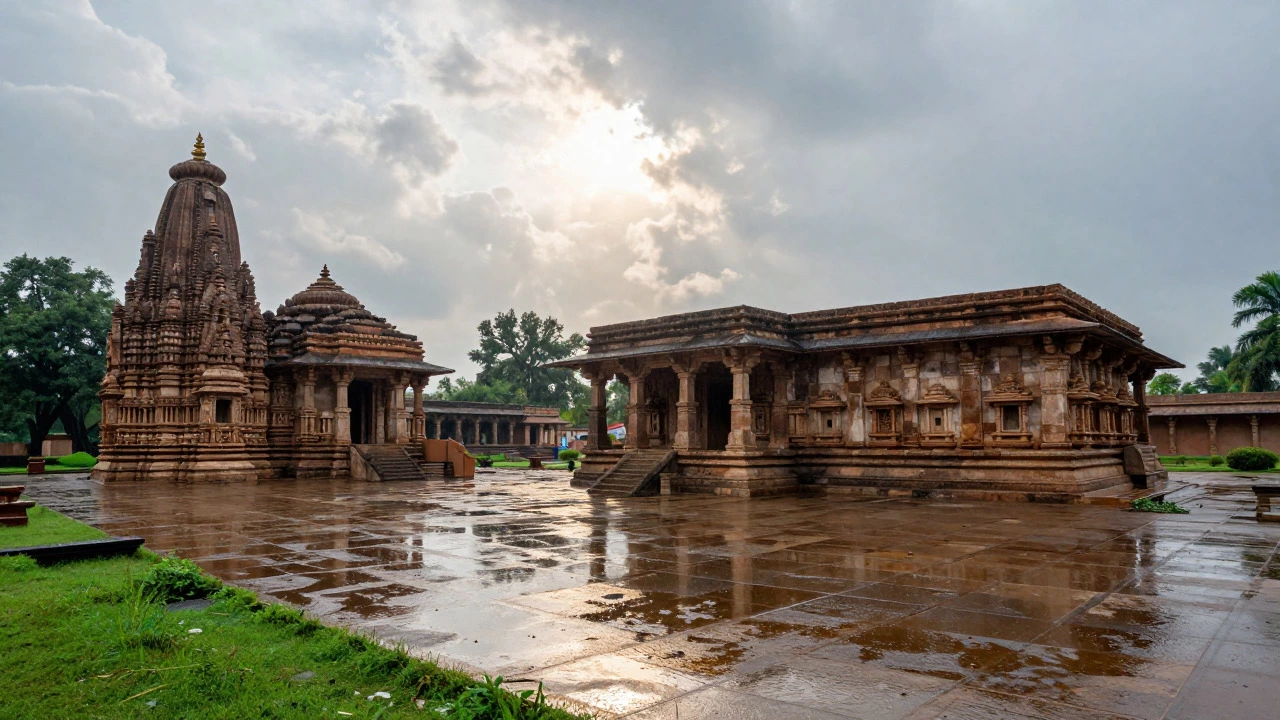
In contrast, the plains of North India, including Delhi, Agra, and Jaipur, become much more comfortable in August. The scorching summer heat finally breaks. The air becomes humid, yes, but the temperature drops significantly. This makes exploring historical sites like the Taj Mahal or Amber Fort much more pleasant compared to the blistering April and May months. Just remember to pack a good umbrella and waterproof shoes.
How to Plan Your Trip Around the Rain
Knowing which month is the wettest helps you decide what to pack and where to go. If you want to avoid rain entirely, steer clear of the Southwest Monsoon period (June to September) for most of the country. Instead, aim for the winter months, from November to February. This is considered the peak tourist season for a reason: clear skies, mild temperatures, and minimal chance of precipitation.
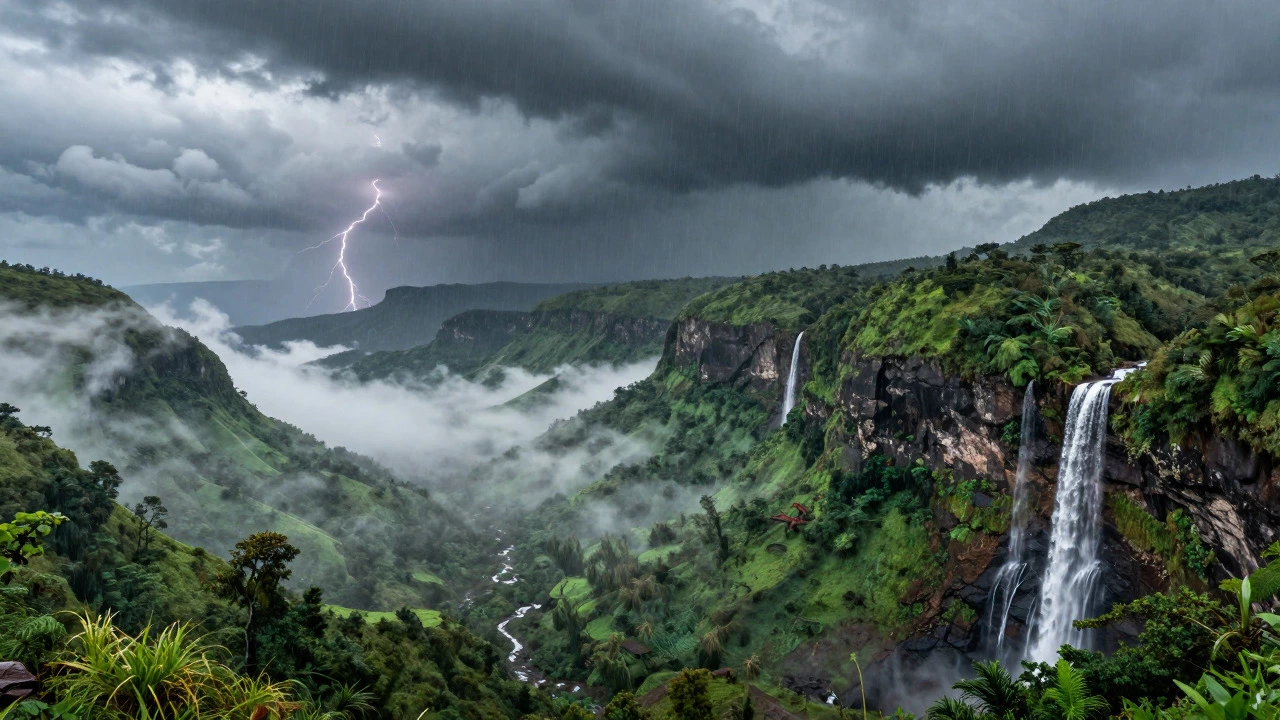
However, if you don't mind the rain, the monsoon season offers unique advantages. Hotels often offer lower rates because it is the off-season. You'll encounter fewer crowds at major attractions. Plus, the natural beauty is at its peak. Waterfalls that are dry in summer roar with water. Gardens and parks turn deep green. For photographers, the dramatic clouds and light reflections create incredible opportunities.
Here are some practical tips for traveling during the wettest months:
- Pack smart: Bring quick-dry clothing, a lightweight rain jacket, and waterproof covers for your electronics. Sandals with grip are better than open-toed flip-flops on slippery surfaces.
- Flexibility is key: Have backup indoor plans. Museums, art galleries, and local markets are great alternatives when outdoor activities are canceled due to rain.
- Monitor local news: In hill stations, road conditions can change hourly. Follow local social media groups or news channels for real-time updates on landslides or closures.
- Book refundable stays: Weather disruptions can happen unexpectedly. Having the option to cancel or modify your hotel reservation saves stress and money.
Regional Variations You Should Know
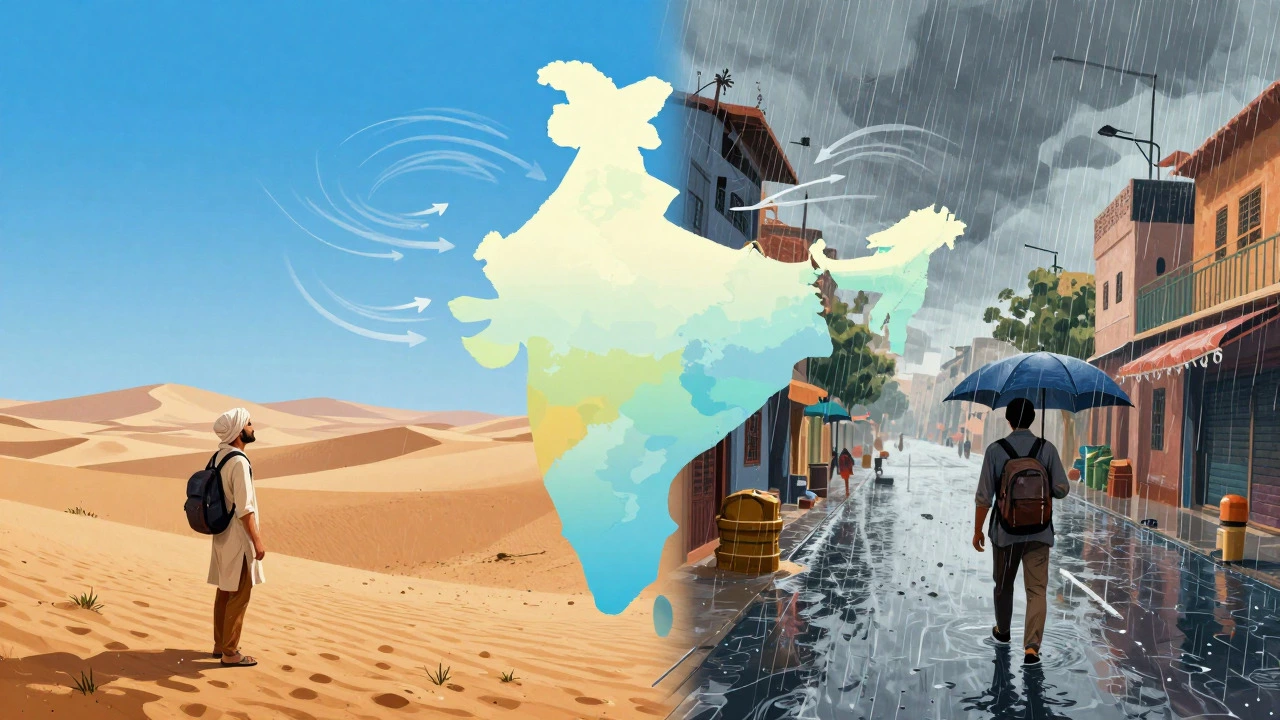
It's important to understand that "India" is not a monolith when it comes to weather. The country spans multiple climate zones. Here is a quick breakdown of how rainfall varies by region:
- Western Coast (Goa, Kerala): Peak rain in June and July. Heavy, continuous downpours.
- Central India (Madhya Pradesh, Maharashtra): Peak rain in July and August. Intense thunderstorms are common.
- Northern Plains (Punjab, Haryana, UP): Peak rain in August. Shorter, heavier bursts rather than all-day rain.
- Eastern Coast (Odisha, Andhra): Peak rain in October and November due to the Northeast Monsoon.
- Northeast (Assam, Meghalaya): Peak rain in July and August. Extremely high rainfall volumes.
This variation means you can actually chase the good weather. If you want to escape the rain in July, head to Rajasthan or parts of Tamil Nadu. If you want to experience the lush greenery without the worst of the floods, consider visiting the hill stations in early September, just as the monsoon retreats.
Safety During the Monsoon
While the rain brings life to the land, it also brings hazards. Floods are a recurring issue in low-lying areas, especially in cities like Mumbai and Kolkata. In rural areas, rivers can swell rapidly, making river crossings dangerous. If you are renting a car or taking a bus, drive cautiously. Wet roads reduce traction, and visibility can drop sharply during heavy squalls.
Health is another concern. Stagnant water breeds mosquitoes, increasing the risk of dengue and malaria. Carry insect repellent and wear long sleeves in the evenings. Drink only bottled or purified water to avoid stomach bugs, which are more common during the rainy season due to contaminated water sources.
Despite these challenges, millions of tourists visit India during the monsoon every year and have wonderful experiences. The key is preparation. Respect the power of nature, stay informed, and keep your plans flexible. The wettest month in India isn't a barrier to travel-it's just a different kind of adventure.
Is July the wettest month in all of India?
No, July is the wettest month for most of western and central India, including Mumbai and Delhi. However, in the northeastern states like Meghalaya, July and August are equally wet. In the southeastern coastal regions like Tamil Nadu, the wettest months are actually October and November due to the Northeast Monsoon.
Can I visit North India during the monsoon?
Yes, you can visit North India during the monsoon. The plains (like Delhi and Rajasthan) become cooler and greener, making sightseeing more comfortable. However, hill stations (like Manali and Mussoorie) face risks of landslides and road closures. It is advisable to stick to main routes and check weather forecasts daily if traveling to the hills.
What is the best time to visit India to avoid rain?
The best time to visit India to avoid rain is during the winter months, from November to February. During this period, most of the country experiences dry weather, clear skies, and pleasant temperatures. This is the peak tourist season for North India, Rajasthan, and South India.
Why does it rain so much in Mawsynram?
Mawsynram, located in Meghalaya, receives the highest rainfall in the world because of its geographical location. It sits in a valley that faces the moist winds coming from the Bay of Bengal. As these winds hit the Khasi Hills, they are forced upward, cooling and condensing into heavy rain. This phenomenon happens primarily during July and August.
Does it rain every day during the monsoon?
Not necessarily. While the monsoon season brings frequent rain, it often comes in bursts. You might experience hours of heavy rain followed by periods of drizzle or even clear skies. In North India, rain is often intermittent, whereas on the western coast, it can be more continuous for several days.
Are flights and trains affected by monsoon rain?
Flights are occasionally delayed due to poor visibility or strong winds, but major airports usually handle monsoon weather well. Trains, however, can face delays or cancellations if tracks are damaged by flooding or landslides, especially in hilly regions. It is wise to build buffer time into your travel schedule during the wettest months.