Trekking Gateway City Finder
Answer three quick questions to find the ideal starting point for your mountain adventure.
Fill in your profile and click "Find My Gateway" to see personalized recommendations.
Most people ask, "Which city is best for trekking?" assuming they need to fly into a specific urban hub. But in India, the answer isn't about the city itself-it's about the gateway. The city you land in determines your access to the trailhead, the quality of your pre-trek acclimatization, and even the cost of your gear. Whether you are chasing snow peaks in the north or lush valleys in the east, choosing the right entry point saves you days of travel and thousands of rupees.
Understanding the Gateway City Concept
In Indian trekking, a gateway city is the nearest major airport or rail hub that connects you to the base camp. You don't trek from the city; you trek to the mountains near it. For example, if you want to hike the Annapurna Circuit in Nepal, you fly into Kathmandu. In India, the logic is similar but more fragmented due to the vastness of the Himalayas and Western Ghats.
The three primary clusters for serious trekking are the Himalayan Region (North), the Western Ghats (South/West), and the Northeastern Hills. Each cluster has distinct gateway cities. Confusing these gateways leads to logistical nightmares. For instance, flying into Delhi for a Sikkim trek adds two extra days of transit compared to flying directly into Bagdogra. Knowing this distinction is the first step in planning a realistic itinerary.
Top Gateway Cities for Himalayan Treks
If high-altitude adventure is your goal, the northern gateways dominate. These cities offer access to some of the most iconic trails in the world, ranging from beginner-friendly meadows to extreme expeditions.
- Dehradun: This is the undisputed capital for Uttarakhand treks. Located at the foothills of the Garhwal Himalaya, Dehradun serves as the launchpad for popular routes like Kedarkantha, Chadar, and Hampta Pass. The advantage here is infrastructure. You can find everything from budget hostels to high-end hotels, and daily bus services connect Dehradun to all major base camps like Sankri and Manali. It is ideal for first-time trekkers who want reliable logistics.
- Manali: While technically a town, Manali functions as a major gateway for the Kullu Valley. It is the starting point for the famous Rohtang Pass excursions and the challenging Hampta Pass trek. Manali offers a mix of adventure sports and trekking, making it a good choice if you want to combine hiking with paragliding or river rafting. However, traffic congestion can be an issue during peak season (May-June).
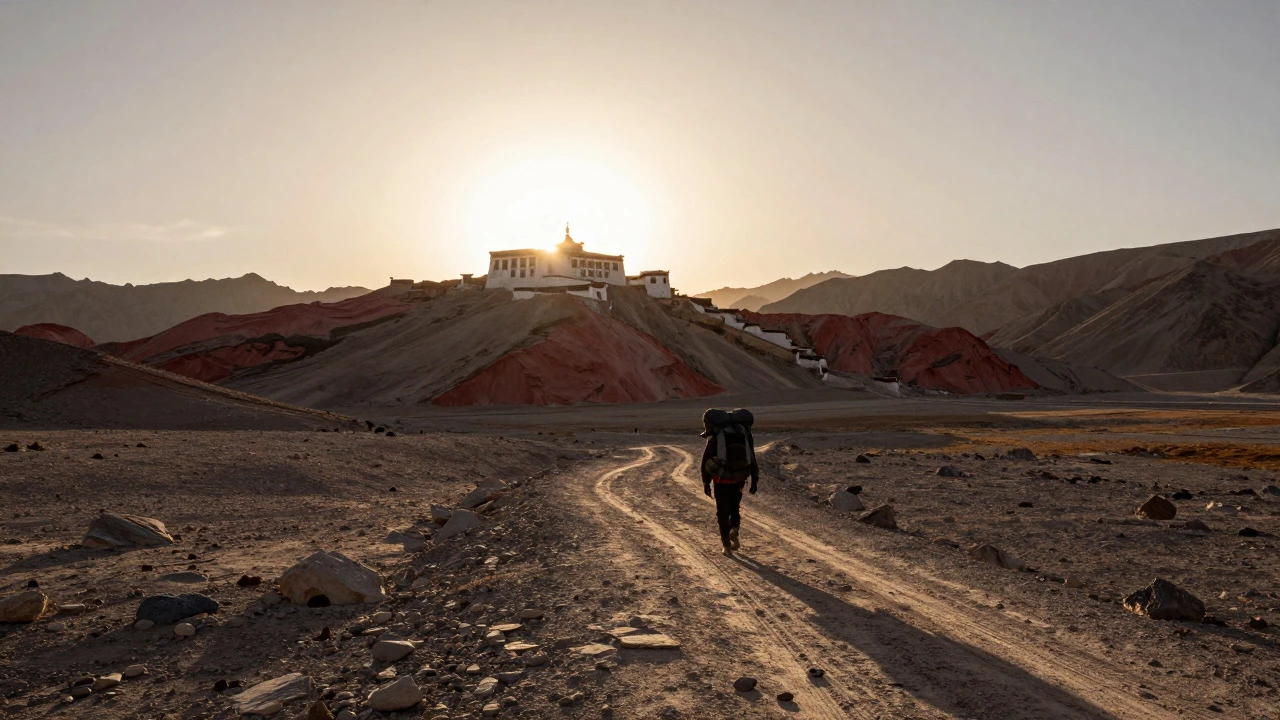
- Leh: For those seeking altitude and desolation, Leh in Ladakh is the key. It is the gateway to the Markha Valley and the Zanskar Valley. Trekking here requires significant acclimatization because Leh sits at 3,500 meters. The beauty is unmatched-arid landscapes, ancient monasteries, and turquoise lakes-but the medical facilities are limited compared to the southern Himalayas. Only experienced trekkers should attempt multi-day routes here without proper preparation.
- Bagdogra: This is the primary air gateway for Sikkim and Darjeeling. If you are interested in the East Himalayas, you fly into Bagdogra (West Bengal) and drive to Gangtok. From there, you can access treks like Goecha La and Sandakphu. The scenery here is different: dense rhododendron forests and misty peaks rather than dry alpine zones. It’s a great option for spring treks when the flowers bloom.
Gateway Cities for Moderate and Beginner Trails
Not everyone wants to sleep at 14,000 feet. Many travelers prefer moderate elevation gains with better weather conditions. For this, the western and central gateways shine.
- Mumbai: Surprisingly, Mumbai is a top-tier gateway for the Western Ghats. While it’s a massive metro, it has direct train and flight connections to Kolhapur and Pune. From Kolhapur, you can reach the Sahyadri range for treks like Kalavantin Ka Kila or Harishchandragad. The proximity means you can do weekend treks if you live nearby, which is rare for mountainous regions in India.
- Bengaluru: As the tech capital, Bengaluru offers easy access to the Nilgiris and Kodagu. It is the gateway to Coorg and Ooty. While these aren't traditional 'trek' destinations in the rugged sense, they offer excellent hiking trails through tea plantations and shola forests. The climate is mild year-round, making it accessible even in winter when the north is frozen.
- Jammu: For the Kashmir Valley, Jammu is the logical start. It connects via road to Srinagar, which then opens up the Kashmiri Himalayas. Treks like the Aru Valley or Sonamarg are accessible from here. The advantage of the Jammu route is that the infrastructure is well-developed, and the cultural experience of the valley adds depth to the physical activity.

Comparing Key Gateway Cities
To help you decide, let’s look at how these gateways compare on practical metrics. This table breaks down the accessibility, best seasons, and typical trek difficulty associated with each hub.
| Gateway City | Region Served | Best Season | Trek Difficulty Range | Air Connectivity |
|---|---|---|---|---|
| Dehradun | Uttarakhand (Garhwal/Kumaon) | April-May, Sept-Oct | Beginner to Advanced | High (Jolly Grant Airport) |
| Leh | Ladakh | June-September | Advanced only | Medium (Seasonal flights) |
| Bagdogra | Sikkim/Darjeeling | March-May, Oct-Nov | Beginner to Moderate | High (Weekly/Monthly international) |
| Mumbai | Western Ghats (Maharashtra) | October-March | Beginner to Moderate | Very High (International Hub) |
| Bengaluru | Karnataka (Nilgiris/Kodagu) | Year-round | Beginner | Very High (International Hub) |
Logistical Considerations Beyond the City
Choosing the city is only half the battle. You must also consider the 'last mile' connectivity. In many cases, the journey from the airport to the actual trek start point involves multiple mode changes.
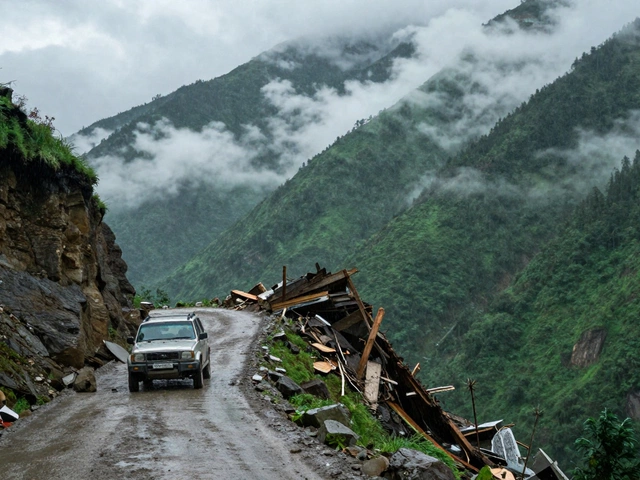
For example, if you choose Dehradun, you still need to take a bus or cab to places like Ukhimath or Govindghat, which can take 8-12 hours depending on road conditions. Road safety in mountainous regions is a critical factor. Monsoon months (July-August) see frequent landslides, which can strand trekkers for days. Therefore, if you are traveling during the monsoon, stick to lower elevation trails in the Western Ghats or Northeast, where road networks are more resilient to rain.
Another often-overlooked factor is acclimatization time. If you fly into Leh, you cannot start trekking immediately. You need at least two days in the city to adjust to the thin air. Conversely, if you enter via Dehradun (elevation ~600m), you have a natural buffer zone before ascending. This makes Dehradun a safer bet for beginners who are prone to Altitude Sickness (AMS).
How to Choose Your Gateway Based on Experience Level
Your personal fitness and past experience should dictate your choice of gateway.
- First-Timers: Start with Dehradun or Mumbai. Both offer well-supported trails with frequent shuttles, good food options along the way, and lower maximum altitudes. The Kedarkantha trek from Dehradun is widely considered the perfect introductory hike in India.
- Intermediate Hikers: Look at Bagdogra for Sikkim or Bengaluru for Karnataka. These regions offer diverse terrain and moderate elevation gains without the extreme cold of the high Himalayas.
- Experienced Trekkers: Head to Leh or remote parts of Spiti via Shimla. These areas demand self-sufficiency, careful route planning, and resilience against harsh weather. The isolation is part of the appeal, but it removes the safety net provided by crowded tourist hubs.
Frequently Asked Questions
Is Dehradun the best city for trekking in India?
For most people, yes. Dehradun offers the highest density of well-maintained, commercially supported treks in India. It serves as the gateway to the Garhwal Himalayas, home to iconic routes like Kedarkantha, Rupin Pass, and Chadar. Its central location and strong transport links make it the most convenient starting point for both domestic and international travelers.
Can I trek from Mumbai without flying to another city?
Yes. Mumbai is a major gateway for the Western Ghats. You can take overnight trains or buses to Kolhapur or Pune, which are close to the Sahyadri range. Popular treks like Kalavantin Ka Kila and Harishchandragad are accessible within a day or two from Mumbai. This makes it one of the few metropolitan areas where weekend trekking is feasible.
What is the best month to trek in the Himalayas?
The prime seasons are April-May (spring) and September-October (autumn). Spring offers blooming rhododendrons and stable weather, while autumn provides clear skies and crisp air. Avoid July-August for high-altitude treks due to heavy rains and landslides, though lower elevation trails in the Western Ghats remain viable.
Do I need a permit to trek in Ladakh?
Yes. Most treks in Ladakh require an Inner Line Permit (ILP). You can obtain this in Leh after arriving, but it takes time. Foreign nationals may need additional documentation. It is advisable to book through a registered local operator who handles permits on your behalf to avoid delays at checkposts.
Which gateway city is best for solo female trekkers?
Dehradun and the surrounding Uttarakhand region are generally considered very safe and welcoming for solo female trekkers. The trekking culture there is mature, with many operators offering women-only groups. Bagdogra/Sikkim is also highly rated for safety and hospitality. Avoid remote areas in Ladakh or Spiti unless you are experienced in off-grid travel.