India Adventure Matchmaker
Not sure which "large" adventure fits you best? Answer these quick questions to find your ideal experience.
You ask which is the largest adventure in India? It’s a tricky question because "large" can mean physical size, duration, or sheer adrenaline. Is it the massive scale of the Himalayan treks? The endless stretches of desert dunes? Or maybe the high-altitude passes that test your limits? Most travelers looking for the biggest thrill usually land on one specific region: the Indian Himalayas.
But here is the thing. You don’t have to choose just one. India offers a variety of "large-scale" adventures depending on what you value. Do you want distance? Go trekking. Do you want speed? Try rafting. Do you want height? Paragliding wins. Let’s break down the contenders for the title of India’s largest adventure so you can pick the right one for your next trip.
Defining "Largest": Scale vs. Thrill
Before we name a winner, we need to agree on what "largest" means. If you measure by geographical footprint, the Himalayas are unbeatable. They span over 2,400 kilometers across five countries, with a huge chunk in India. This makes any major Himalayan activity inherently "large." But if you define large by the intensity of the experience, something like skydiving might feel bigger than a slow walk up a hill.
For most tourists, "largest adventure" implies an experience that feels epic, covers significant ground, and leaves a lasting impression. With that definition, three categories stand out: high-altitude trekking, river rafting, and aerial sports. Each has its own champion.
The Heavyweight Champion: Himalayan Trekking
If there is one activity that defines the concept of a "large" adventure in India, it is trekking in the Himalayas. Specifically, the Great Himalayan National Park or the routes in Ladakh and Himachal Pradesh offer distances that stretch for days or weeks.
Take the Roopkund trek, for example. It’s not just a walk; it’s a journey into mystery. You hike through forests, cross glacial streams, and reach a frozen lake filled with ancient human skeletons. The altitude goes above 15,000 feet. Your lungs burn, your legs ache, but the scale of the mountains around you makes everything else seem tiny. This is what people mean when they talk about big adventures.
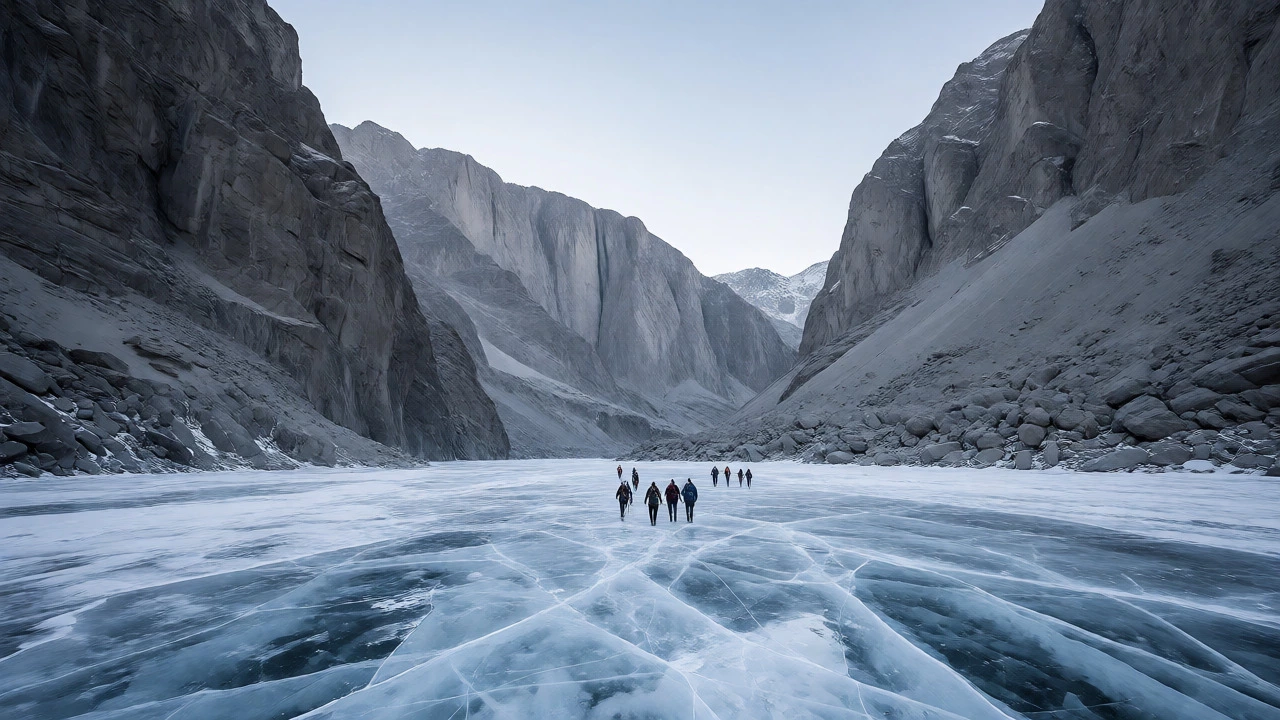
Then there is the Chadar Trek in Ladakh. In winter, the Zanskar River freezes solid. You don’t walk on dirt; you walk on ice. Temperatures drop to -30°C. The landscape is stark, silent, and vast. Walking on a frozen river for hundreds of kilometers gives you a sense of isolation and scale that few other places on Earth can match. Is this the largest adventure? Physically, yes. It covers immense ground and demands serious endurance.
| Trek Name | Location | Max Altitude | Duration | Difficulty |
|---|---|---|---|---|
| Chadar Trek | Ladakh | 11,150 ft | 7-9 Days | Moderate-High |
| Roopkund Trek | Uttarakhand | 15,696 ft | 8-9 Days | Moderate-High |
| Hampta Pass Trek | Himachal Pradesh | 14,065 ft | 5-6 Days | Moderate |
| Valley of Flowers | Uttarakhand | 14,100 ft | 6-7 Days | Easy-Moderate |
The Speed Demon: White Water Rafting
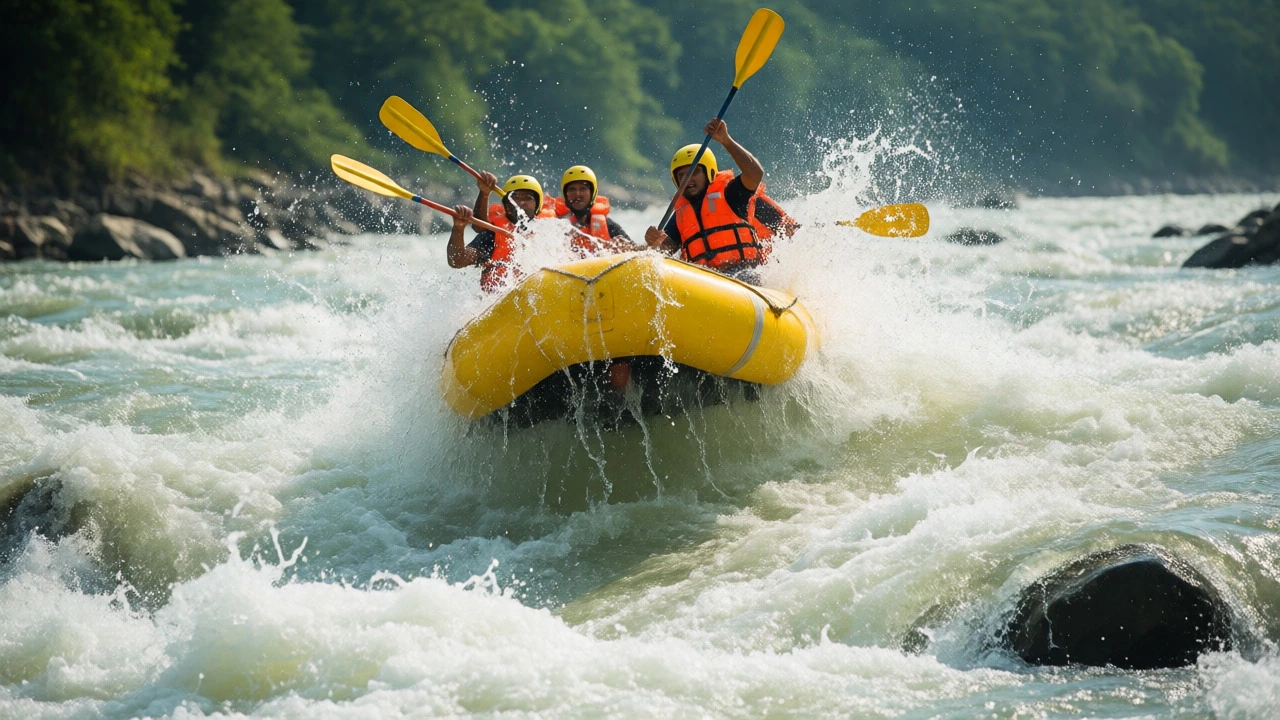
Maybe you don’t want to walk for a week. Maybe you want to conquer nature in a matter of hours. That’s where white water rafting comes in. Rishikesh, in Uttarakhand, is often called the rafting capital of India. The Ganges flows fast here, especially during the monsoon season.
Rafting runs range from Grade I (calm) to Grade IV (extreme). For a "large" experience, you’d aim for the longer stretches, like the 16-kilometer run from Shivpuri to Rishikesh. You spend hours battling rapids, getting soaked, and screaming as you navigate rocks that could flip your boat. The scale here isn’t in distance walked, but in the power of the river. The Ganges is massive. Being small against such a force is humbling and thrilling.
Other spots like Teesta River in Sikkim or Subansiri River in Assam offer similar thrills. But Rishikesh remains the go-to for accessibility and consistent rapids. If your idea of large adventure involves heart-pounding action rather than scenic endurance, rafting takes the crown.
The Sky High Option: Paragliding
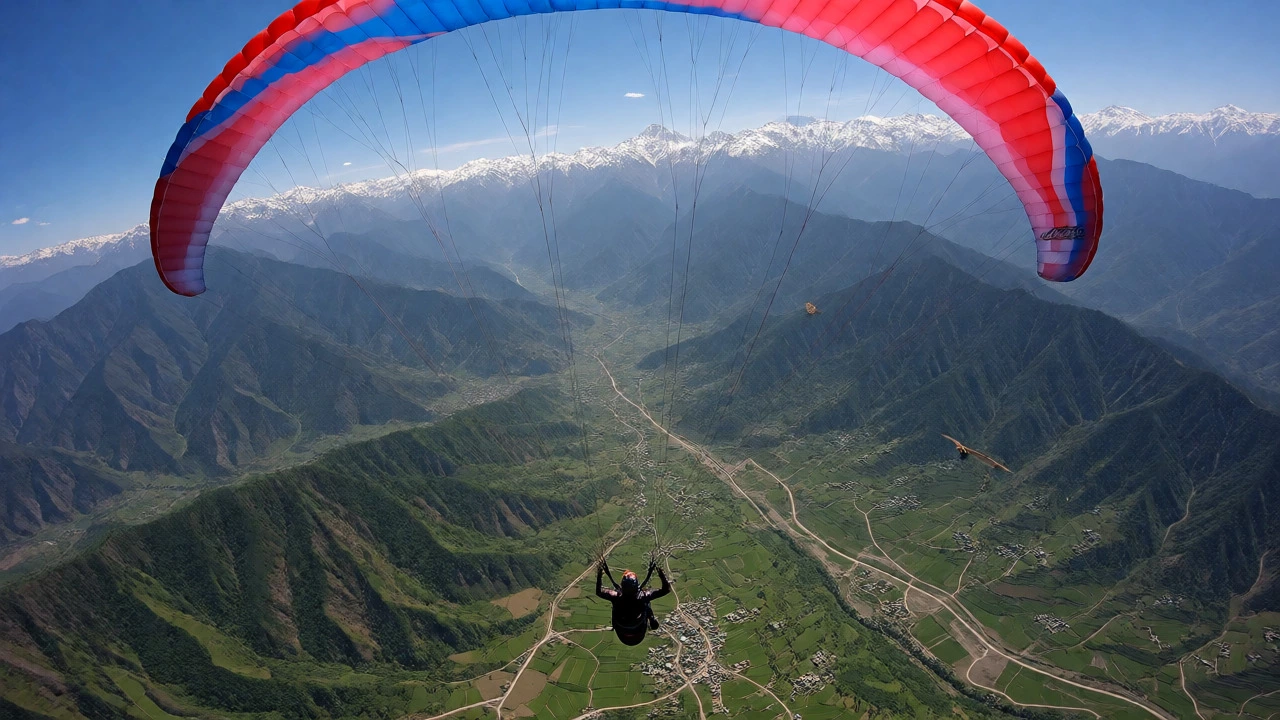
What if you could see the whole country at once? Paragliding lets you do exactly that. Bir Billing in Himachal Pradesh is home to the second-highest paragliding site in the world. You launch from Billing at 8,000 feet and land in Bir at 4,000 feet. That’s a 4,000-foot descent over lush valleys and snow-capped peaks.
The flight lasts anywhere from 15 minutes to an hour, depending on wind conditions. During that time, you are suspended in the air, watching eagles fly beside you. The visual scale is enormous. You see the curvature of the earth, the depth of the valleys, and the breadth of the mountains. For many, this perspective shift is the ultimate adventure. It’s not about how far you go horizontally, but how high you go vertically.
Bir Billing hosts international competitions regularly, proving its status as a premier spot. The infrastructure is well-developed, making it safe for beginners while challenging enough for pros. If you want to feel free and detached from the ground, this is your best bet.
Hidden Gems: Desert and Jungle Adventures
Not all large adventures happen in the mountains. The Thar Desert in Rajasthan offers camel safaris that cover dozens of kilometers. Jaisalmer provides night camps under star-filled skies. The silence of the desert at night is profound. You hear nothing but the wind and the occasional camel grunt. The horizon stretches endlessly. It’s a different kind of largeness-emptiness and openness.
Similarly, wildlife safaris in Jim Corbett or Ranthambore offer encounters with tigers. Seeing a tiger in the wild is a primal thrill. The jungle is dense, unpredictable, and alive. While you don’t travel long distances, the emotional impact of spotting a predator can feel larger than any mountain climb.
How to Choose Your "Large" Adventure
Picking the right adventure depends on your fitness level, budget, and what excites you. Here is a quick guide:
- Choose Trekking if: You enjoy physical challenge, love nature photography, and have several days to spare. It builds character and resilience.
- Choose Rafting if: You want immediate excitement, don’t mind getting wet, and prefer shorter trips. It’s great for groups and families.
- Choose Paragliding if: You fear heights less than you love views, want a unique story, and have a flexible schedule due to weather dependencies.
- Choose Desert Safaris if: You seek cultural immersion, quiet contemplation, and unique landscapes unlike anything in Europe or North America.
Practical Tips for Big Adventures in India
India is beautiful, but it requires preparation. Infrastructure in remote areas can be basic. Roads may be rough. Connectivity might be spotty.
First, check the season. The Himalayas are only accessible from May to October. Winter treks like Chadar happen in January and February. Rafting is best pre-monsoon (March-June) or post-monsoon (September-November). Monsoon months (July-August) can bring landslides and dangerous river levels.
Second, hire certified guides. Don’t try solo trekking in unfamiliar territory without proper gear. Altitude sickness is real. Acclimatize properly. Drink plenty of water. Carry cash, as ATMs are rare in remote villages.
Third, respect local customs. Many adventure spots are near religious sites. Dress modestly. Ask permission before taking photos of locals. Support local economies by hiring local guides and staying in homestays.
Frequently Asked Questions
Is trekking in India suitable for beginners?
Yes, many treks are beginner-friendly. Routes like Hampta Pass or Valley of Flowers require moderate fitness but no prior technical experience. Always start with easier trails to build confidence.
Which month is best for white water rafting in Rishikesh?
The best months are March to June and September to November. During these times, the water levels are ideal for safe yet exciting rapids. Avoid July and August due to heavy monsoon rains.
Do I need special insurance for adventure sports in India?
It is highly recommended. Standard travel insurance often excludes high-risk activities like paragliding or high-altitude trekking. Check with your provider for add-on coverage specifically for adventure sports.
Is Bir Billing safe for first-time paragliders?
Yes, Bir Billing is considered very safe for beginners. There are numerous certified operators who provide tandem flights with experienced pilots. Safety standards are strictly followed, and accidents are rare when following instructions.
Can I combine multiple adventures in one trip?
Absolutely. A popular itinerary includes trekking in Manali, then driving to Rishikesh for rafting, and finishing with a short flight to Delhi. Plan for adequate rest between intense activities to avoid fatigue.