India Destination Finder
Loading...
Your Perfect Match:
Key Takeaways for Your Trip
- North India: Best for history buffs, architecture lovers, and those who want a fast-paced, high-energy experience.
- South India: Ideal for nature lovers, spiritual seekers, and travelers who prefer a slower, more relaxed pace.
- Weather: The North has extreme seasons (very hot or very cold), while the South stays tropical and humid year-round.
- Vibe: The North is chaotic and grand; the South is lush and understated.
The Grandeur of the North: Chaos and Icons
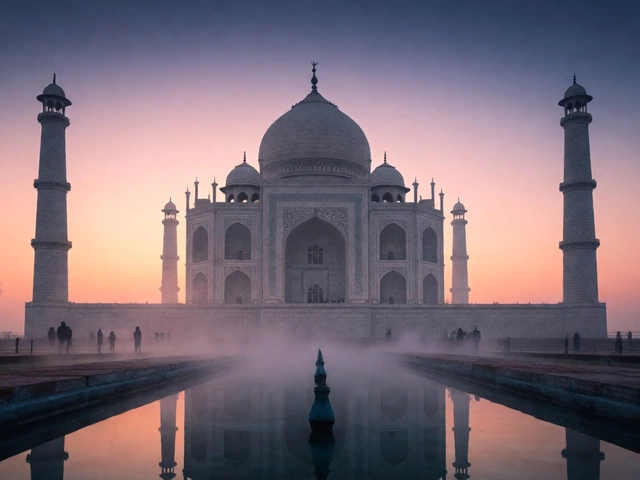
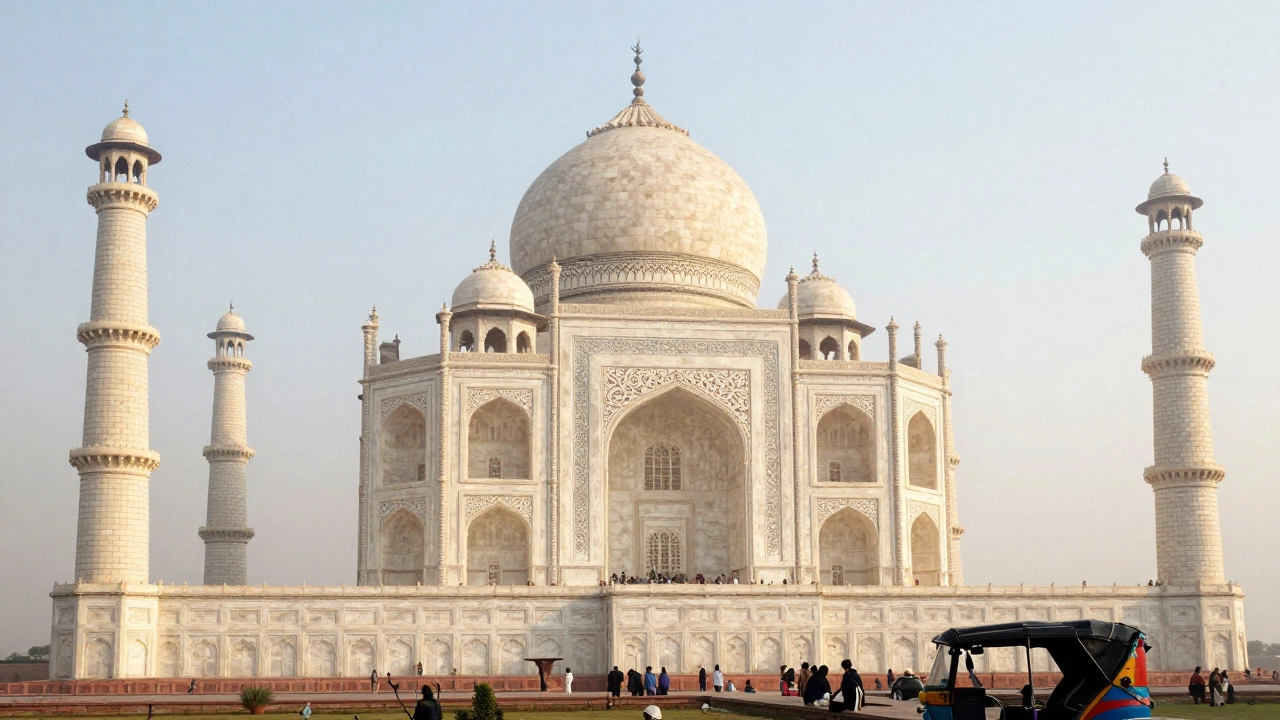
When people imagine India for the first time, they usually see the north. This is where North India is the region dominated by the Himalayas, the vast plains of the Ganges, and the historic heart of the Mughal Empire. It's the land of the "Golden Triangle"-Delhi, Agra, and Jaipur. If you want to see the Taj Mahal and feel the weight of centuries of imperial history, this is your spot.
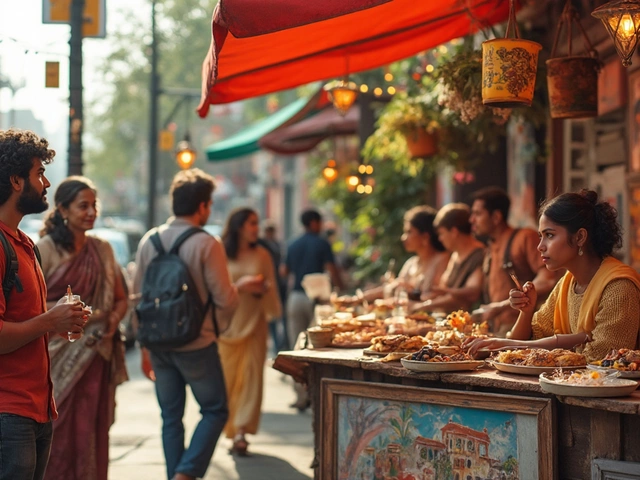
The energy here is electric. In Delhi, you'll find a jarring but fascinating contrast between the narrow, spice-scented alleys of Old Delhi and the wide, leafy avenues of New Delhi. It's loud, crowded, and occasionally overwhelming, but that's part of the charm. You're not just visiting a city; you're stepping into a living museum of human collision.
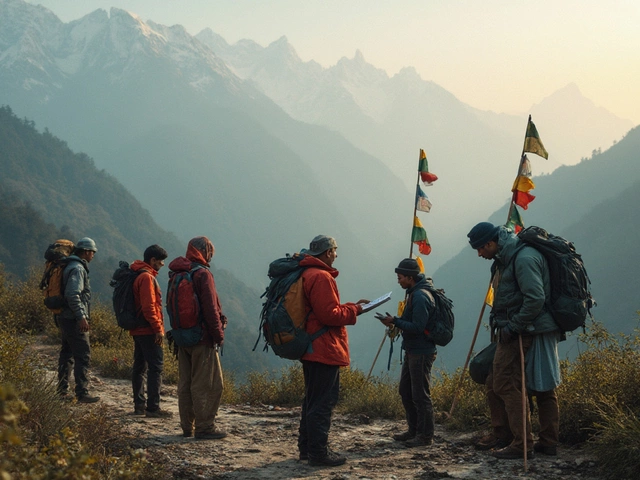
Beyond the cities, the north offers the dramatic scale of the Himalayas. Whether you're heading to the spiritual hubs of Rishikesh or the high-altitude deserts of Ladakh, the landscape changes from dusty plains to snow-capped peaks in a way that feels almost surreal. It's a playground for trekkers and those looking to escape the heat of the plains.
The Soul of the South: Greenery and Grace
If the north is a shout, South India is a whisper. The south is generally more laid-back, greener, and feels more cohesive. While the north is defined by its empires, the south is defined by its nature and its deep-rooted traditions that haven't been as heavily altered by foreign conquests.
Take Kerala, often called "God's Own Country." Here, the highlight isn't a monument, but a feeling. Floating on a houseboat through the backwaters of Alleppey, you experience a kind of stillness that is hard to find in the north. The air is humid, the palm trees are endless, and the pace of life slows down to a crawl.
Then there's the architecture. While the north has the marble brilliance of the Mughals, the south has the towering, colorful Gopurams (temple gateways) of Tamil Nadu. These temples, like the Meenakshi Temple in Madurai, are sprawling complexes of intricate carvings and vivid colors that tell stories of ancient dynasties. It's a different kind of grandeur-more spiritual and less imperial.
Comparing the Two: A Quick Guide
| Feature | North India | South India |
|---|---|---|
| Pace | Fast, chaotic, high-energy | Slow, relaxed, serene |
| Landscape | Mountains, plains, deserts | Beaches, backwaters, jungles |
| Architecture | Mughal, Rajput, Colonial | Dravidian, Colonial, Indigenous |
| Food | Wheat-based, creamy, rich (Paneer, Naan) | Rice-based, coconut, spicy (Dosa, Idli) |
| Weather | Extreme (Hot summers/Cold winters) | Tropical (Humid, warm year-round) |
The Culinary Divide: Butter vs Coconut
You can't talk about these regions without mentioning the food. In the north, the cuisine is heavy on dairy and wheat. Think of thick, creamy dal makhani, buttery naan, and tandoori meats. It's comforting and rich, reflecting the agricultural wealth of the Punjab plains. If you're craving a feast that feels like a warm hug, the north is where you'll find it.
The south, however, leans into the freshness of the coast. Coconut is the star here-used in everything from curries to chutneys. The staples are rice and lentils, served as crispy dosas or fluffy idlis. The flavors are sharper, punchier, and often lighter on the stomach. Plus, the coffee culture in the south is legendary; a filtered coffee in a traditional steel tumbler is a ritual you can't miss.
When to Go: Timing Your Visit
Timing is everything in India. If you visit the north in May or June, you'll face a heatwave that can push temperatures above 45°C (113°F). Conversely, a January trip to the mountains can be freezing. The sweet spot for North India tourism is usually between October and March, when the air is crisp and the weather is mild.
The south is a bit more forgiving but has its own quirks. Because it's closer to the equator, it doesn't have a "winter" in the traditional sense. The best time to explore Kerala or Karnataka is typically from November to February. If you go during the monsoon season (June to September), you'll see the landscape at its greenest, but you'll also be dodging heavy downpours that can disrupt travel plans.
Common Pitfalls and Pro Tips
One of the biggest mistakes travelers make is trying to do both in a single two-week trip. India is a subcontinent, not a country. Trying to fly from Delhi to Kochi and seeing both the Taj Mahal and the backwaters in ten days will leave you exhausted and seeing everything through a taxi window. Pick one region and dive deep.
In the north, be prepared for "sensory overload." The noise and crowd levels are a shock to many. My tip? Spend a few days in a quieter place like Jaipur or a boutique hotel in Delhi before hitting the busiest markets. In the south, the challenge is often the language barrier in rural areas. While English is widely spoken in cities, learning a few words of Malayalam or Tamil will open doors and earn you a lot of smiles in the villages.
Making Your Final Choice
Still undecided? Ask yourself these three questions:
- Do I want to feel the scale of history or the peace of nature? If history, go North. If nature, go South.
- Am I okay with chaos, or do I need a retreat? If you thrive on energy, the North will excite you. If you're burnt out from work, the South will heal you.
- What's my favorite flavor? Creamy butter and wheat (North) or spicy coconut and rice (South)?
If you're still torn, remember that the beauty of India is that it's a collection of many worlds. Whether you choose the golden sands of Rajasthan or the emerald waters of Kerala, you're going to find a place that challenges your perspective and stays with you long after you've flown home.
Is the North or South of India safer for solo female travelers?
Both regions are generally safe, but the South is often perceived as having a slightly more relaxed and conservative atmosphere, which some solo women find more comfortable. However, the North has a more developed tourism infrastructure in the Golden Triangle, meaning more hostels and guided tours specifically for solo travelers. Regardless of the region, using reputable transport and staying in vetted accommodations is the best way to ensure safety.
Can I visit both North and South India in one trip?
Yes, it's possible, but it requires a significant amount of time. To do it right without feeling rushed, you should allocate at least 3 to 4 weeks. The best way to bridge the gap is by flying between major hubs-for example, flying from Delhi (North) to Bangalore or Kochi (South). Trying to travel the distance by train is an adventure in itself but takes several days.
Which region is more expensive?
Generally, the costs are similar, but the way you spend is different. In the North, you might spend more on high-end hotels and guided tours of historical sites. In the South, luxury resorts (especially in Kerala) can be pricey, but the general cost of local food and transport is often slightly lower. Both regions offer everything from 10-dollar hostels to 1,000-dollar-a-night palaces.
Is the language barrier worse in the North or South?
Hindi is the dominant language in the North, and since many travelers learn basic Hindi, it feels easier. In the South, people speak Dravidian languages (Tamil, Telugu, Kannada, Malayalam). However, English is very widely spoken in South Indian cities and tourism hubs, sometimes even more so than in rural parts of the North. You'll likely get by just fine with English in both regions.
Which region has the best beaches?
The South wins hands-down on beaches. While the North has some coastal areas (like Goa, which is technically in the West but often grouped with southern-style vibes), the South offers a variety of experiences from the serene shores of Kerala to the pristine white sands of the Andaman and Nicobar Islands. If a beach holiday is your priority, head south.