North India Trip Planner
Select your preferences below to generate a tailored list of places to visit in North India.
You’ve probably seen the photos: the Taj Mahal glowing at sunrise, snow-capped peaks piercing blue skies, and bustling bazaars that smell like spices and history. But planning a trip to North India is different from booking a weekend getaway in Sydney. It’s vast, diverse, and often overwhelming if you don’t know where to start. Do you want desert dunes or alpine meadows? Spiritual chaos or serene monasteries?
The region isn't just one destination; it's a collection of distinct worlds packed into states like Punjab, Haryana, Himachal Pradesh, Uttarakhand, Rajasthan, Uttar Pradesh, and Jammu & Kashmir. If you’re looking for the definitive list of spots that actually deliver on their promises, here are the 15 places that deserve your time, money, and energy.
Key Takeaways for Your North India Trip
- The Golden Triangle (Delhi, Agra, Jaipur) is non-negotiable for first-timers due to iconic heritage sites.
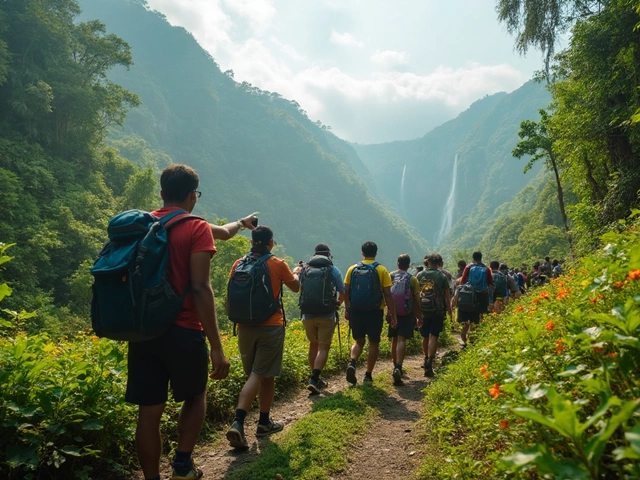
- Himachal Pradesh and Uttarakhand offer the best escape from heat, with hill stations like Shimla and Manali serving as gateways to high-altitude treks.
- Rajasthan provides the most immersive cultural experience through its forts, palaces, and desert landscapes.
- Ladakh requires careful acclimatization but rewards visitors with some of the world's most dramatic mountain scenery.
- Varanasi offers a raw, unfiltered look at spiritual life along the Ganges, unlike any other city on Earth.
The Heritage Heartland: Delhi, Agra, and Jaipur
If you haven't visited the Golden Triangle, a tourist circuit connecting three major cities in northern India, you haven't really experienced North India's historical core. Start in New Delhi. It’s chaotic, yes, but it holds layers of history. You can walk through Red Fort, a 17th-century Mughal fort built by Shah Jahan, and then take an auto-rickshaw to Qutub Minar, the tallest brick minaret in the world. The contrast between the ancient ruins and the modern metro system is stark and fascinating.
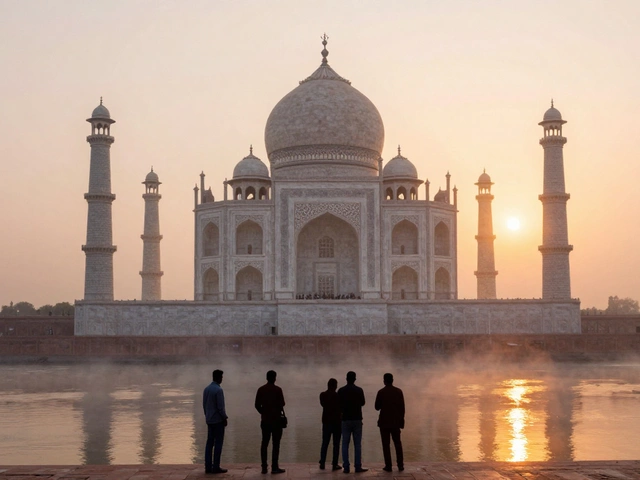
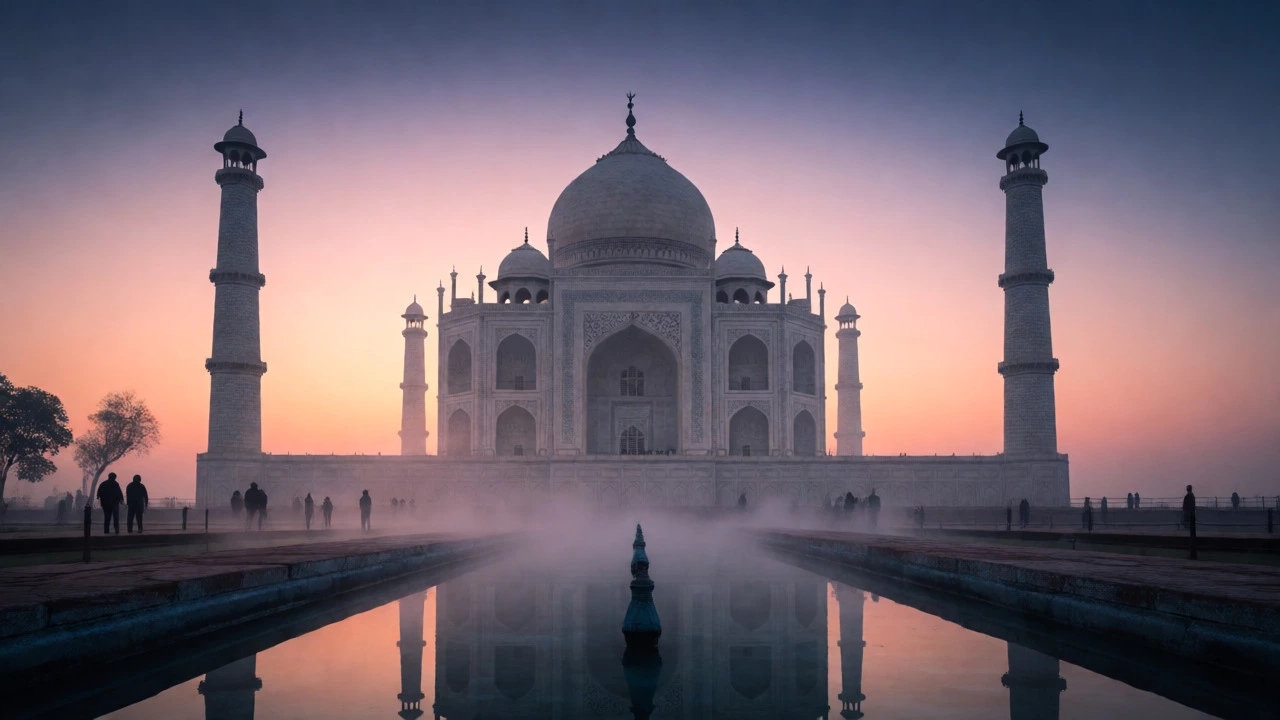
Next, head to Agra. Yes, everyone goes for the Taj Mahal, an ivory-white marble mausoleum commissioned by Mughal emperor Shah Jahan. But skip the midday rush. Go at dawn. The light hits the white marble differently, and the crowds are manageable. While there, visit Agra Fort, a UNESCO World Heritage Site made of red sandstone. It gives you context on how the Mughals lived versus how they died.
Finish this leg in Jaipur, the Pink City. The architecture here is vibrant, literally painted pink to welcome Prince Albert in 1876. Visit Amber Fort, a majestic hilltop fortress known for its artistic Hindu-style elements. Hire a jeep instead of walking up the steep ramparts if you value your knees. The view from the top is worth the effort, especially during sunset.
Desert Dreams and Royal Palaces in Rajasthan
Beyond Jaipur, Rajasthan opens up into something more rugged. Jodhpur, also known as the Blue City, is dominated by Mehrangarh Fort, one of the largest forts in India, perched on a rocky cliff. The museum inside is surprisingly well-curated, displaying royal palanquins and weapons. The blue houses below were originally painted to denote Brahmin residences, though now it’s mostly aesthetic.
Then there’s Udaipur. If Jaipur is grand, Udaipur is romantic. Built around a series of artificial lakes, it feels like Venice meets the Middle East. Stay at a hotel overlooking Lake Pichola. A freshwater lake created in 1362 AD. Take a boat ride at dusk when the palace lights reflect off the water. It’s cliché because it works.
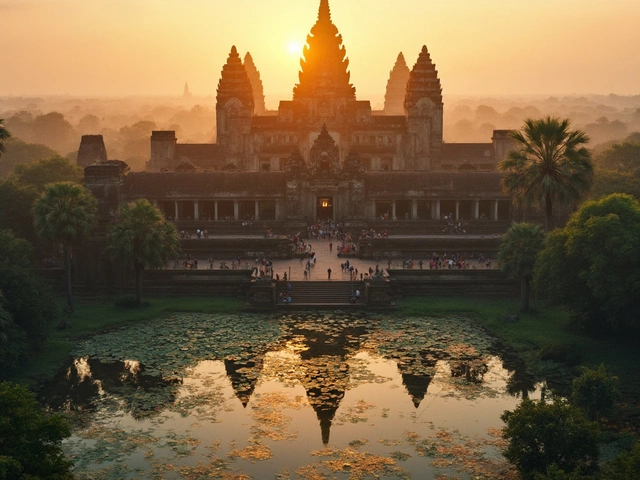
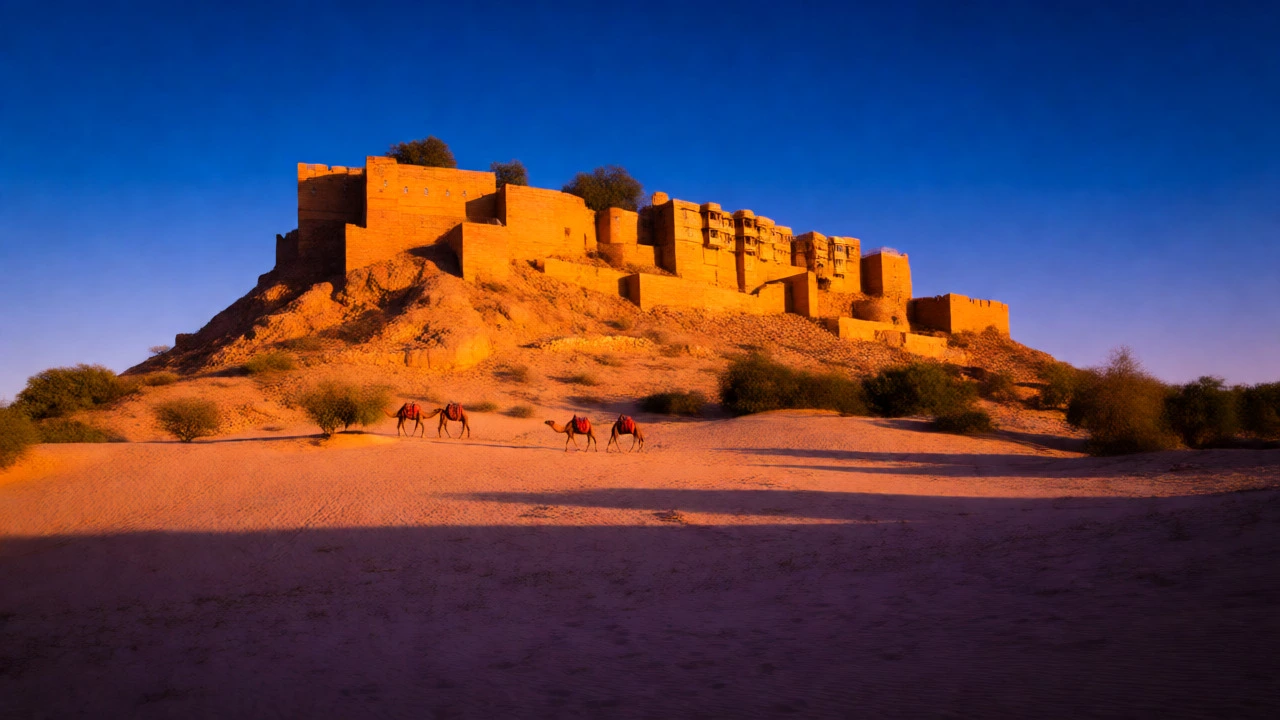
For those wanting true isolation, go to Jaisalmer. This golden city sits right on the edge of the Thar Desert. The living fort, Jaisalmer Fort, a fortified citadel still inhabited by residents, is unique because people actually live inside the walls. Spend a night camping in the Sam Sand Dunes. The silence out there is heavy and profound.
Mountain Escapes: Himachal Pradesh and Uttarakhand
When the plains get too hot, the mountains call. Shimla was the summer capital of British India, and while it’s touristy, the colonial architecture remains charming. Walk the Ridge and visit the Viceregal Lodge. However, many travelers find it too crowded. For a quieter vibe, drive to Manali. It’s the gateway to the Himalayas for many trekkers. From here, you can access Rohtang Pass, a high mountain pass connecting Kullu Valley with Lahaul and Spiti Districts.
In Uttarakhand, Rishikesh is the yoga capital of the world. It’s not just about spirituality; it’s an adventure hub. White-water rafting on the Ganges is safe for beginners if you go with certified operators. Afterward, attend the evening Ganga Aarti at Triveni Ghat. The synchronized chanting and fire rituals are powerful.
Nearby, Mussoorie offers cooler temperatures and misty views. It’s less commercial than Shimla. Take the ropeway to Lal Tibba for panoramic views of the Doon Valley. If you prefer wildlife, Corbett National Park is India’s oldest national park. Tiger sightings aren’t guaranteed, but the landscape of sal forests and riverbeds is stunning regardless.
Spiritual Depths: Varanasi and Amritsar
Varanasi is intense. It’s one of the oldest continuously inhabited cities in the world. Watching the cremation ghats might shock you, but it’s part of the cycle of life celebrated here. Take a sunrise boat ride on the Ganges. You’ll see devotees bathing, priests performing rituals, and boats filled with tourists all sharing the same sacred water. Visit Sarnath nearby, where Buddha gave his first sermon.
In Punjab, Amritsar hosts the Golden Temple, the holiest Gurdwara of Sikhism, covered in gold leaf. The Langar (community kitchen) serves free meals to up to 100,000 people daily. Volunteering there, even for an hour, gives you insight into Sikh values of service and equality. Don’t leave without trying the butter chicken at a local eatery in the old city.
The High Altitude Frontier: Ladakh and Kashmir
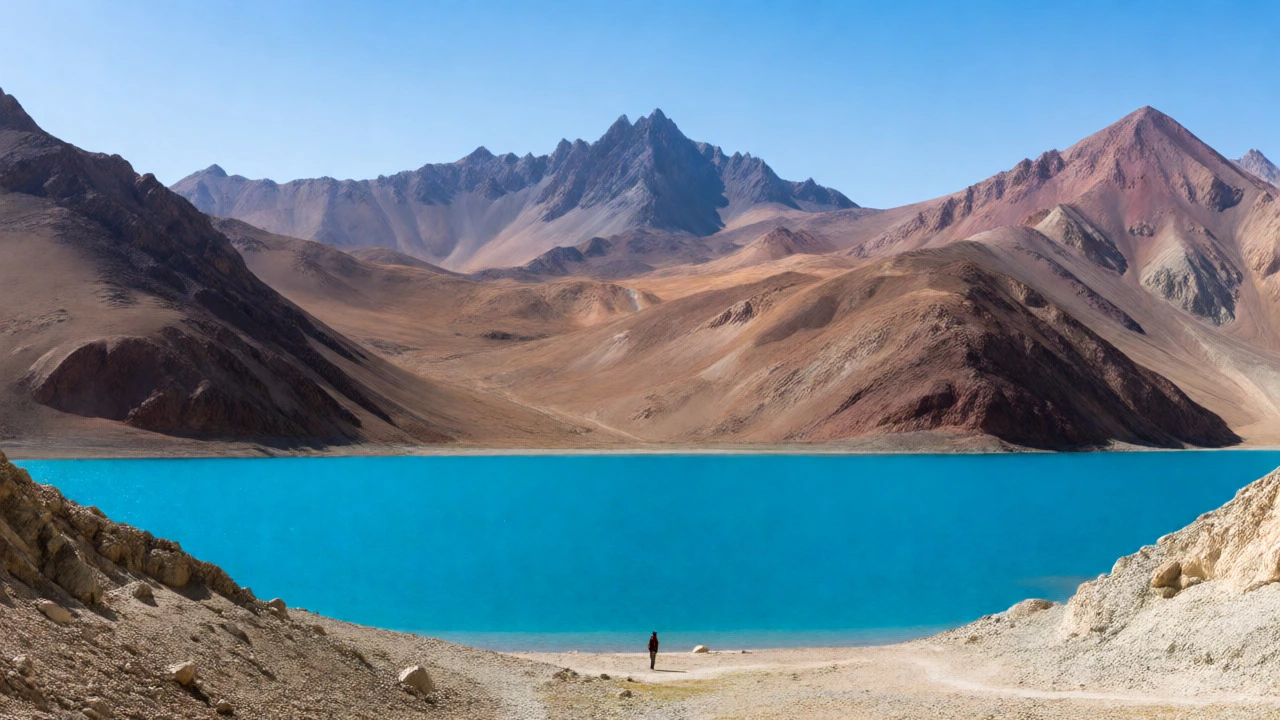
Ladakh is no longer remote; it’s trendy. But it demands respect. Acclimatize in Leh for two days before attempting high passes like Khardung La, one of the highest motorable roads in the world. The landscape looks Martian-barren, colorful, and vast. Visit Pangong Lake, a long, narrow saltwater lake whose color changes throughout the day. The journey takes hours, but the turquoise water against brown mountains is unforgettable.
Kashmir offers greenery where Ladakh has stone. Srinagar is famous for houseboats on Dal Lake. Stay in one, but check reviews carefully; maintenance varies wildly. Shikara rides are peaceful. In spring, the tulip gardens bloom in vibrant colors. In winter, Gulmarg becomes a skiing destination with gondola rides offering breathtaking views of Nanga Parbat.
Offbeat Gems Worth the Detour
If you have extra time, consider Dharamshala. It’s home to the Tibetan government-in-exile and the Dalai Lama’s residence. The McLeod Ganj area has a strong cafe culture and yoga retreats. It’s relaxed compared to the hustle of Delhi.
Spiti Valley is for hardcore adventurers. Roads are rough, facilities are basic, and electricity is scarce. But you’ll see ancient monasteries like Key Monastery clinging to cliffs. It’s a place to disconnect completely.
| Destination | Peak Season | Avoid Due To | Primary Activity |
|---|---|---|---|
| Delhi/Agra/Jaipur | October - March | April - June Heat | Heritage Tours |
| Manali/Shimla | March - June | July - August Landslides | Trekking/Skiing |
| Ladakh | June - September | October - May Closures | Road Trips |
| Kashmir | April - October | Winter Snow Closures | Houseboats/Golf |
Practical Tips for Navigating North India
Transportation is key. Book trains via IRCTC well in advance, especially for popular routes like Delhi to Agra. The Vande Bharat Express is clean, fast, and comfortable. For buses, Volvo multi-axle coaches are reliable for inter-state travel. Avoid local state transport buses unless you’re on a strict budget and don’t mind discomfort.
Food safety matters. Stick to bottled water. Eat at busy stalls where food turnover is high-that means freshness. Street food like chaat is delicious but risky if hygiene seems questionable. Carry hand sanitizer everywhere.
Culturally, dress modestly, especially in religious sites. Cover your head in Gurudwaras and remove shoes before entering temples or homes. Bargaining is expected in markets but not in malls or fixed-price shops. Start at 50% of the quoted price and meet in the middle.
Is North India safe for solo female travelers?
Generally, yes, but caution is advised. Cities like Delhi and Agra require vigilance regarding street harassment. Use reputable apps like Uber or Ola for transport rather than random autos. Dress conservatively to blend in and avoid unwanted attention. Rural areas and smaller towns are often safer and more welcoming.
How many days do I need to cover these 15 places?
Realistically, you need at least 14 to 21 days. Trying to cram them into a week results in exhaustion and superficial experiences. Prioritize regions: spend a week on the Golden Triangle and another week in either the Mountains or the Desert.
What is the best way to travel between these destinations?
Trains are excellent for long distances like Delhi to Jaipur or Delhi to Varanasi. Flights save time for jumping between distant hubs like Delhi to Srinagar. For shorter hops within regions, hiring a private taxi with a driver is cost-effective and flexible, allowing stops at scenic points.
Do I need vaccinations for North India?
Consult your doctor. Routine vaccines should be up to date. Hepatitis A and Typhoid are commonly recommended due to food/water risks. Malaria prophylaxis may be suggested for certain seasons and regions, particularly near riverbanks or during monsoon months.
Which month is best for visiting Ladakh?
July and August are peak months when all roads are open. However, June and early September offer fewer crowds. Winter visits are possible but challenging due to extreme cold and potential road closures.