Holi Celebration Matchmaker
Not all Holi celebrations are the same. Answer three quick questions to find the destination that matches your energy level and cultural interests.
Destination Name
Description goes here.
Quick Facts
- Location: India
- Key Activity: Color Play
- Budget Fit: All
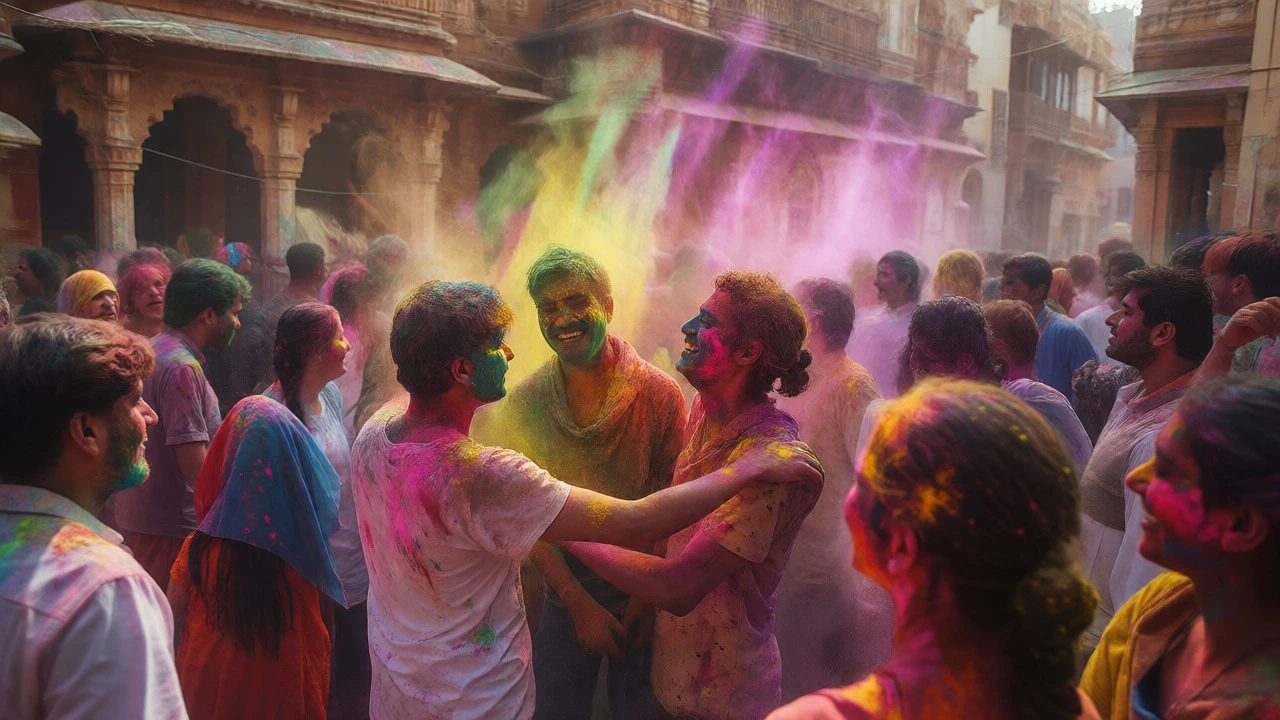
Imagine standing in a crowd where strangers become friends in seconds, covered head-to-toe in vibrant pink, yellow, and green powder. This isn't a paintball match or a music festival-it's Holi, the ancient Hindu festival of colors that transforms Indian streets into living canvases every spring. If you've ever wondered what makes one specific event stand out as the most visually stunning religious celebration in the world, this is it.
While Diwali lights up the night with oil lamps and Navaratri dances through nine nights, Holi demands your attention by day. It breaks down social barriers with a splash of color. For travelers planning temple tours in India, timing your trip to coincide with Holi offers an experience you simply cannot buy or simulate. But what exactly drives this chaos? Is it just fun, or does it carry deeper spiritual weight? Let's unpack why this festival captures the imagination of millions, both inside and outside India.
The Mythological Roots Behind the Colors
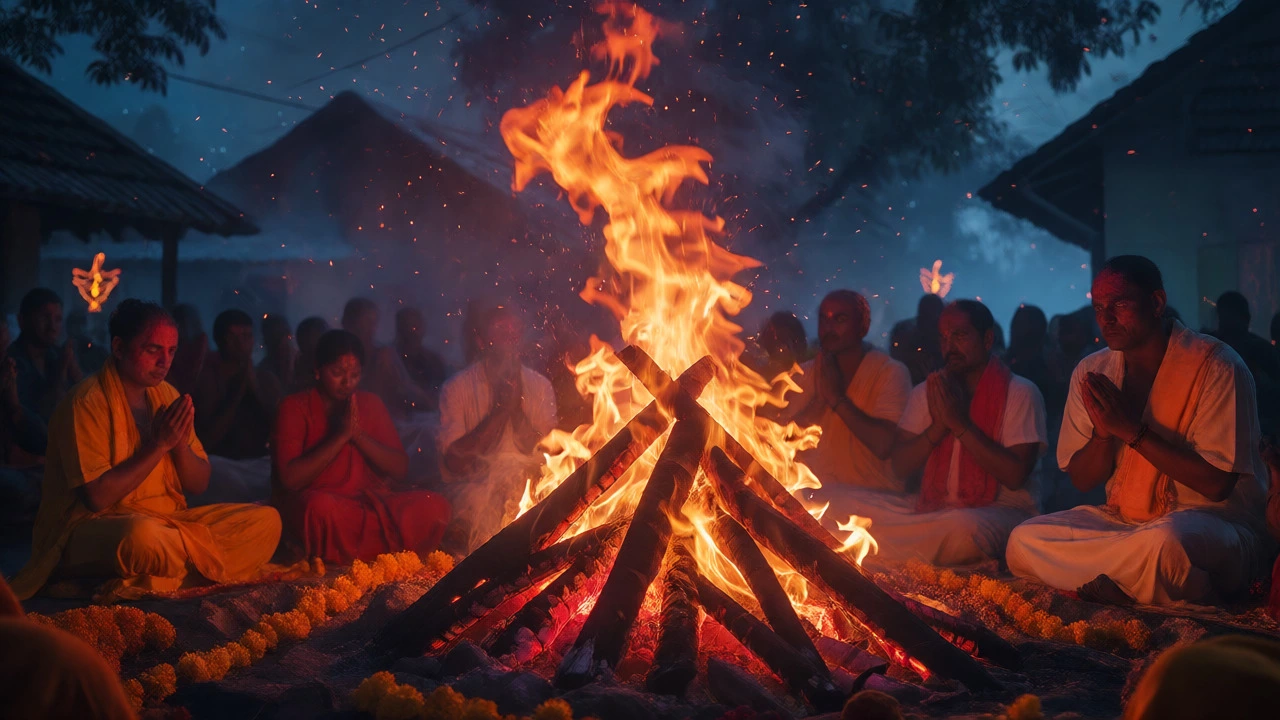
To understand why people throw colored powder at each other, you have to look back at the legends. The most popular story involves Holika, a demoness who tried to burn her nephew Prahlada alive but was consumed by fire herself while he remained unharmed due to his devotion to Lord Vishnu. This tale symbolizes the triumph of good over evil. The night before the main color play, communities light large bonfires known as Holika Dahan. Watching these fires crackle under the stars sets a solemn tone before the next morning’s explosion of joy.
Another layer comes from the love stories of Radha and Krishna. In the Braj region of Uttar Pradesh, which includes towns like Mathura and Vrindavan, Holi celebrates their divine romance. Legend says Krishna, who had dark blue skin, was jealous of Radha’s fair complexion. His mother Yashoda suggested he apply color to Radha’s face to make them look alike. This playful act became ritualized. Today, when you visit temples in these areas, you aren't just seeing tourists; you are witnessing centuries-old reenactments of divine play. The colors represent equality-once covered in pigment, caste, class, and age distinctions vanish for a day.
Where to Experience the Real Thing
Not all Holi celebrations are created equal. If you want the most authentic and intense experience, you need to go where the tradition breathes most deeply. While major cities like Delhi and Mumbai host massive public events, they often feel organized for safety rather than spontaneity. For a true immersion, consider these locations:
- Vrindavan and Mathura: These towns in Uttar Pradesh are considered the heartland of Holi. Temples here perform elaborate rituals involving flower petals and colored water. The Banke Bihari Temple, for instance, sees devotees throwing flowers instead of dry powder, creating a fragrant, swirling storm of blossoms.
- Anandpur Sahib (Punjab): Known locally as Hola Mohalla, this Sikh tradition coincides with Holi. It features martial arts displays, horse riding, and poetry recitals. It’s less about getting messy and more about showcasing strength and community service.
- Shantiniketan (West Bengal): Here, Holi takes on an artistic flair called Basanta Utsav. Founded by Nobel laureate Rabindranath Tagore, this version focuses on song, dance, and nature appreciation. It’s gentler, making it ideal for families or those wary of aggressive crowds.
- Jaipur (Rajasthan): The royal palaces open their doors for special Holi balls. You’ll see traditional Rajasthani folk music, elephant processions, and a mix of luxury and tradition. It’s photogenic but can be expensive.
Choosing the right spot depends on your tolerance for chaos. Do you want to be part of the action, or do you prefer watching from a safe distance? Your answer determines your destination.
| Location | Primary Activity | Intensity Level | Best For |
|---|---|---|---|
| Vrindavan/Mathura | Lathmar Holi & Flower Throwing | High | Devotees & Culture Enthusiasts |
| Punjabi Regions | Martial Arts & Community Feasts | Moderate | History Buffs & Families |
| Shantiniketan | Artistic Performances & Nature Walks | Low | Photographers & Artists |
| Delhi/Mumbai | Public Parks & Music Events | Medium-High | First-Time Visitors |
Practical Tips for Surviving and Enjoying Holi
Participating in Holi sounds fun until you realize you’re wearing white clothes and someone has a bucket of purple dye. Preparation is key. First, wear old clothes. You will not get those stains out. Many locals wear kurtas made of thick cotton that can withstand heavy washing. Avoid synthetic fabrics if possible, as some cheap dyes contain chemicals that irritate sensitive skin.
Protect your skin and hair. Apply coconut oil or sunscreen generously before heading out. This creates a barrier so the color doesn’t stick directly to your pores. Tie your hair back tightly. If you have long hair, cover it with a scarf. For men, a simple cap works wonders. Eyes are vulnerable too; sunglasses protect against stray powder clouds. Keep a small towel handy to wipe sweat mixed with color off your face.
Hygiene matters more than you think. Public restrooms during Holi are scarce and often crowded. Carry wet wipes and hand sanitizer. After the festivities, avoid scrubbing your skin aggressively with soap immediately. Instead, use oil-based cleansers or milk to break down the pigment. Patience pays off; the color fades naturally over 2-3 days.
Safety is another aspect. In crowded areas, keep valuables minimal. Leave your passport, extra cash, and expensive jewelry at the hotel. Use a waterproof pouch for your phone if you must bring it. Be aware of your surroundings. While most interactions are friendly, alcohol consumption can lead to rowdy behavior in certain neighborhoods. Stick to groups if you’re traveling solo, especially women.
The Spiritual Significance Beyond the Fun
It’s easy to dismiss Holi as merely a party. However, for Hindus, it marks the arrival of spring and the end of winter’s gloom. It’s a time to forgive past grievances. There’s a saying: "Bura na mano, Holi hai" (Don’t take offense, it’s Holi). This phrase grants temporary immunity from social norms. You can hug a stranger, tease a boss, or joke with elders without fear of reprisal. This psychological release strengthens community bonds.
Food plays a central role in this spiritual reset. Traditional sweets like Gujiya (stuffed dumplings) and Thandai (a spiced milk drink often infused with almonds, saffron, and sometimes bhang/cannabis) are shared among neighbors. Sharing food reinforces the idea of abundance and gratitude for the coming harvest. When you join a local family for a meal, you participate in this cycle of giving and receiving.
For those interested in temple tours, observing the rituals adds depth. Priests chant mantras invoking blessings for health and prosperity. Devotees offer colored powders to deities, believing the colors please the gods. Understanding this context transforms a chaotic street scene into a meaningful cultural observation. You’re not just watching a spectacle; you’re witnessing faith in action.
Modern Twists and Global Reach
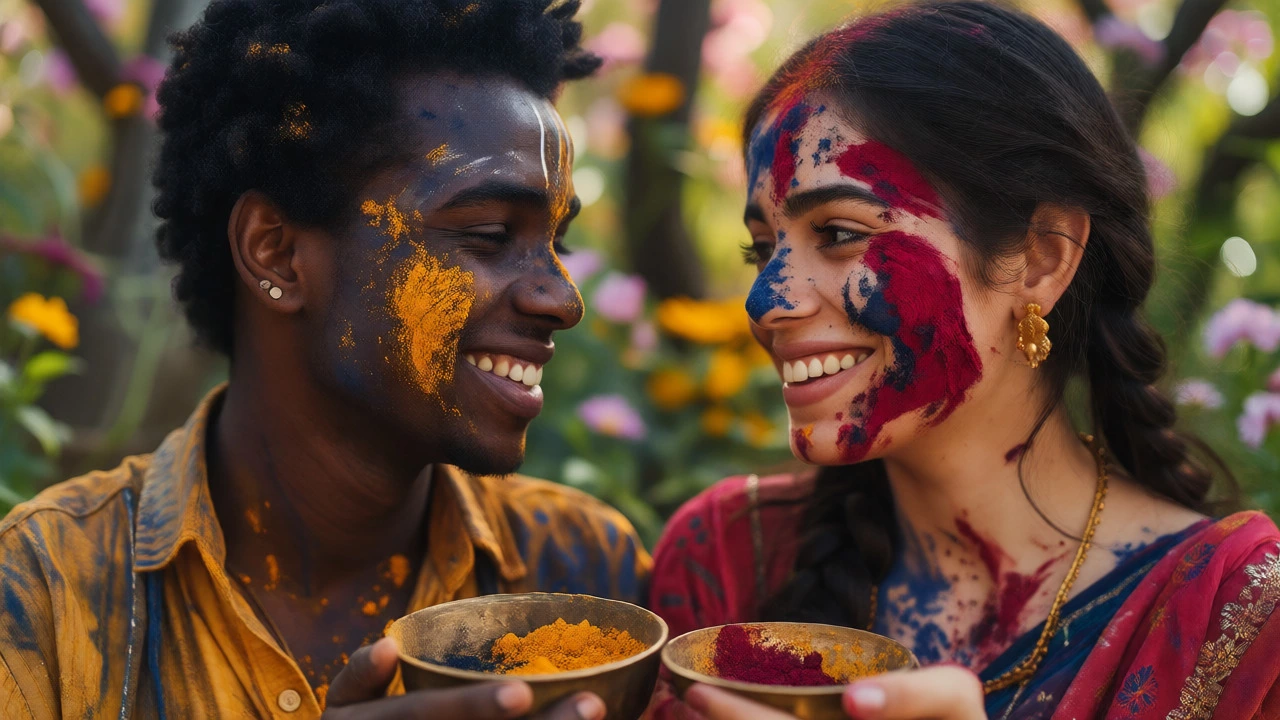
Holi has traveled far beyond India’s borders. From London to New York, "Color Runs" and organized Holi parties attract thousands. These events usually use organic, eco-friendly cornstarch-based colors. They’re safer and easier to clean up but lack the raw energy of village celebrations. Still, they introduce the spirit of Holi to global audiences who might never visit India.
In urban India, corporate offices now host internal Holi events. Employees dress in casual wear and engage in color fights during lunch breaks. This modern adaptation keeps the tradition alive among younger generations who might otherwise view it as outdated. Technology also plays a role; social media spreads images of Holi globally, encouraging diaspora communities to organize local meetups.
However, environmental concerns have risen. Cheap chemical dyes pollute water bodies when washed off. Many activists now advocate for herbal colors derived from turmeric, beetroot, and marigold. Some municipalities ban synthetic colors entirely. As a traveler, choosing organic colors supports sustainable practices. Ask vendors if the powder is natural. It smells earthier and washes off cleaner.
Planning Your Trip Around Holi
Timing is everything. Holi falls on the full moon day of Phalguna, usually in March. Dates shift annually based on the lunar calendar. Check the exact date well in advance. Accommodation in popular spots like Vrindavan sells out months ahead. Book early and expect prices to spike. Flights and trains fill up quickly as Indians travel home to celebrate with families.
Consider staying slightly outside city centers. Noise levels peak late at night with firecrackers and drums. A quiet guesthouse nearby ensures you get rest after the day’s exertion. Also, plan your exit strategy. Transport services may be irregular during peak hours. Arrange private transfers if possible.
Finally, respect local customs. Not everyone wants to be colored. Ask permission before touching someone. Smile and greet with "Happy Holi." If you’re invited into a home, remove your shoes. Accept offered sweets graciously. Your willingness to engage respectfully opens doors-and hearts.
Is Holi safe for tourists?
Yes, generally safe if you take precautions. Stick to reputable areas, wear old clothes, protect your eyes, and keep valuables secure. Women should travel in groups or stay within designated tourist zones if uncomfortable with crowds.
What should I wear to Holi?
Wear old, comfortable clothing you don’t mind ruining. White cotton kurta-pyjamas are traditional but any old outfit works. Closed-toe shoes are essential to protect feet from broken glass and spilled liquids.
When is Holi celebrated in 2026?
Holi dates vary yearly based on the Hindu lunar calendar. In 2026, it is expected to fall in early March. Always verify the exact date closer to the time as regional variations exist.
Can I participate if I am not Hindu?
Absolutely. Holi is inclusive and welcomes people of all backgrounds. Locals often invite foreigners to join in. Just be respectful of religious rituals happening simultaneously.
Are the colors harmful?
Organic colors are safe. Synthetic ones may cause skin irritation or allergies. Test a small patch first. Rinse thoroughly with oil-based cleansers afterward to prevent clogged pores.