Find Your Perfect Indian State
Answer the questions below to discover which of India's most beautiful states aligns with your inner traveler.
Ask ten people which is the most beautiful state in India, and you’ll get ten different answers. One might point to the misty hills of Munnar, another to the golden dunes of Jaisalmer, and a third to the turquoise waters of Goa. It’s not just indecision; it’s because India doesn’t do "one size fits all." The country spans from snow-capped Himalayan peaks to tropical rainforests, offering a visual diversity that few places on Earth can match.
So, how do you pick a favorite? You have to look at what kind of beauty moves you. Are you drawn to untouched nature, architectural grandeur, or vibrant cultural landscapes? Let’s break down the top contenders based on real travel experiences, not just glossy brochures. We’ll look at the specific attributes that make each region stand out, helping you decide which state deserves the title for your next trip.
Kerala: God’s Own Backyard
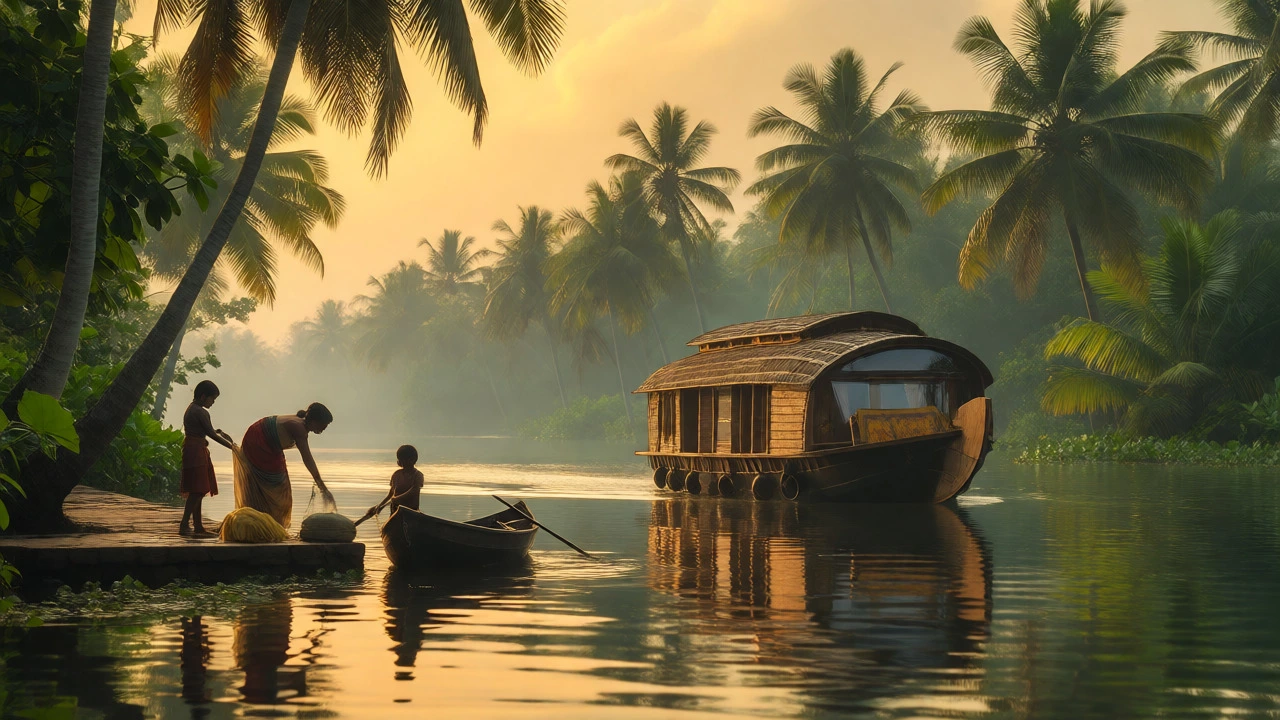
If there is one state that consistently tops lists for natural serenity, it’s Kerala. Located in the southwest corner of India, this state is defined by its lush greenery, extensive network of waterways, and high literacy rates that translate into welcoming hospitality. When people ask about the most visually stunning places in India, Kerala often comes up first for a reason.
The core of Kerala’s beauty lies in its contrast. On one side, you have the Arabian Sea with long, palm-fringed beaches like Varkala and Kovalam. On the other, you have the Western Ghats, a mountain range that turns into emerald tea plantations in Munnar and Wayanad. But the real magic happens in between: the backwaters.
| Feature | Description | Best Time to Visit |
|---|---|---|
| Backwaters | A labyrinth of lakes, rivers, and canals lined with coconut palms. | September to March |
| Hill Stations | Cool climates, tea gardens, and wildlife sanctuaries like Periyar. | All year (cooler in summer) |
| Culture | Kathakali dance, Ayurvedic traditions, and unique houseboats. | Monsoon season for festivals |
Taking a houseboat through Alleppey isn’t just transport; it’s a floating hotel experience where time seems to slow down. You drift past village life, watching women wash clothes in the river and children rowing small canoes. This isn’t staged tourism; it’s daily life unfolding against a backdrop of infinite green. If your definition of beauty involves peace, water, and vegetation, Kerala wins hands down.
Himachal Pradesh: Where the Mountains Touch the Sky
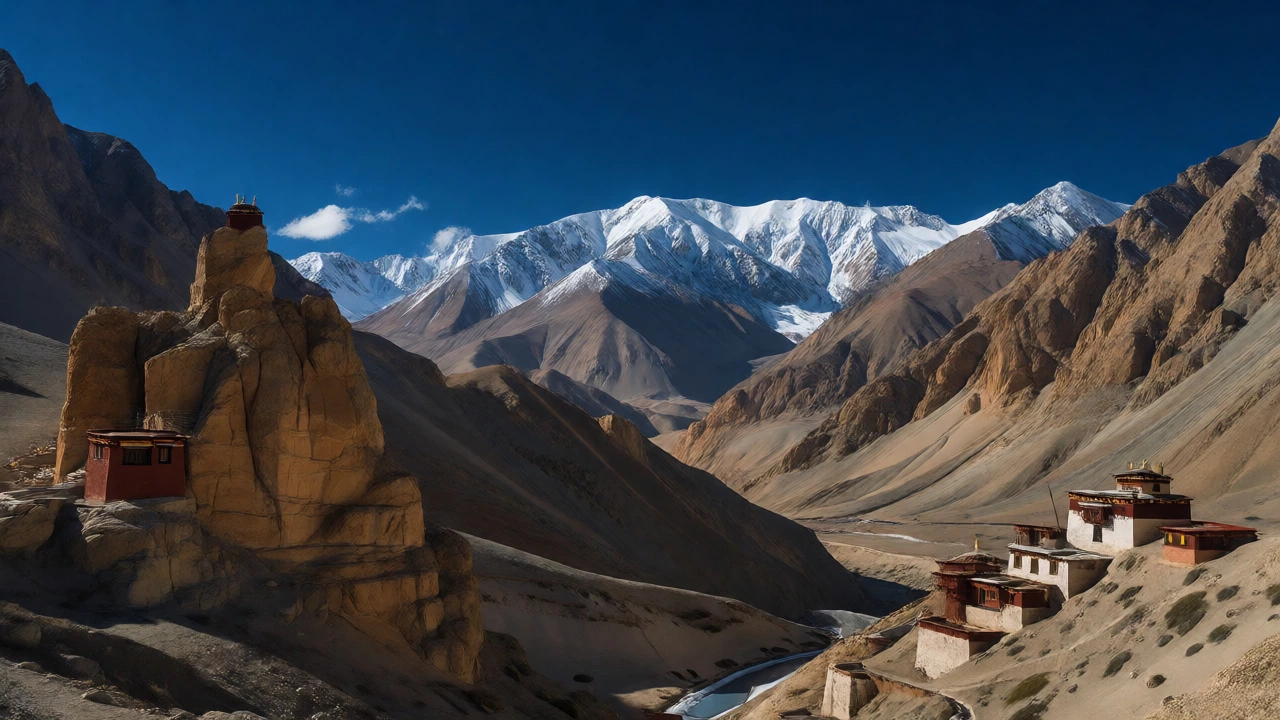
For those who find their soul in altitude, Himachal Pradesh is the answer. This northern state shares borders with Tibet and offers some of the most dramatic mountain scenery in Asia. Unlike the rolling hills of Kerala, here the terrain is jagged, steep, and awe-inspiring.
The beauty here is raw and untamed. Think of the Spiti Valley, a cold desert located at over 4,000 meters above sea level. The landscape is barren yet breathtakingly colorful, with ochre cliffs and deep blue skies that look almost unreal. Then there’s Shimla and Manali, which offer colonial-era charm mixed with pine forests and snow-capped peaks like Rohtang Pass.
- Spiti Valley: Known for ancient monasteries clinging to cliff edges and stark, moon-like landscapes.
- Dharamshala: Home to the Dalai Lama’s residence, surrounded by deodar trees and Tibetan culture.
- Kasol: A hippie haven with red soil fields and views of the Parvati Valley.
Himachal appeals to travelers who want adventure alongside aesthetics. Trekking through the Triund trail or rafting in the Beas River adds a physical dimension to the visual feast. The air is crisp, the light is sharp, and the silence in high-altitude areas is profound. If mountains are your thing, Himachal Pradesh is hard to beat.
Rajasthan: The Desert’s Golden Glow
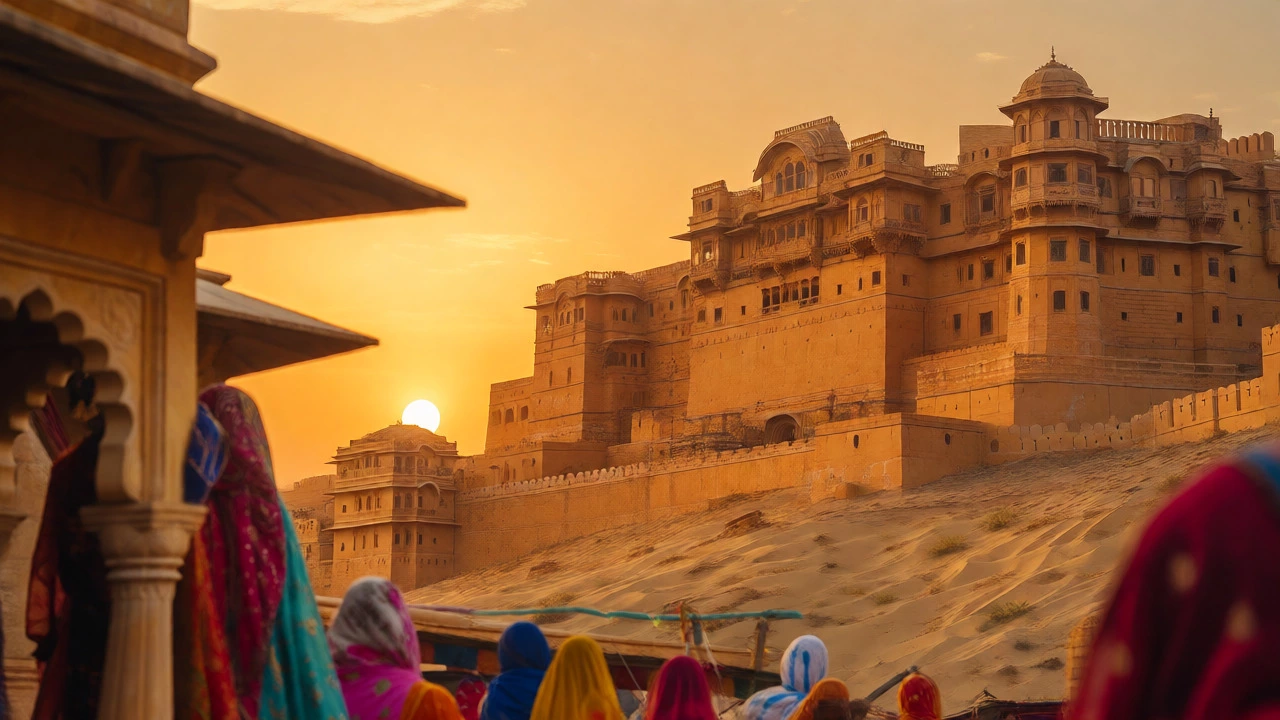
Beauty isn’t always green. Sometimes, it’s orange, pink, and gold. Rajasthan challenges the conventional idea of scenic beauty by showcasing the majesty of the Thar Desert and the architectural brilliance of Rajputana. This northwestern state is a study in contrasts-harsh deserts meeting opulent palaces.
Jaisalmer, known as the "Golden City," rises directly from the sand. Its fort is made of yellow sandstone that glows at sunset, creating an ethereal effect. Udaipur, on the other hand, is the "City of Lakes," reflecting its white marble palaces in calm waters. Jaipur brings the Pink City vibe with its Hawa Mahal and Amber Fort, blending history with vibrant street life.
What makes Rajasthan beautiful is its human element. The colors of traditional clothing, the intricate mirror work in havelis, and the sound of folk music playing in bazaars create a sensory overload. It’s a place where architecture and landscape merge. The desert itself, with its shifting dunes and star-filled nights, offers a minimalist beauty that many urbanites crave.
Goa: Tropical Vibrance
You can’t talk about Indian beauty without mentioning Goa. While often associated with parties, Goa’s true charm lies in its laid-back tropical aesthetic. It’s the smallest state in India but packs a punch with its Portuguese-influenced architecture and pristine coastline.
North Goa buzzes with energy, while South Goa remains quiet and secluded. Palolem Beach, with its crescent shape and clear waters, is frequently cited as one of the best beaches in Asia. Beyond the sand, the interior reveals spice plantations and cascading waterfalls like Dudhsagar. The blend of Catholic churches and Hindu temples creates a unique cultural tapestry.
Goa’s beauty is relaxed. It’s about swaying palms, seafood shacks serving fresh catch, and sunsets that paint the sky in shades of purple and orange. It’s perfect if you define beauty as leisure and vibrancy rather than solitude or grandeur.
Sikkim: The Hidden Gem
Often overlooked by mainstream tourists, Sikkim is arguably the cleanest and most pristine state in India. Located in the northeast, it’s home to Kangchenjunga, the world’s third-highest peak. Sikkim was declared an organic farming state, meaning no chemical pesticides are used, preserving the land’s natural purity.
Lake Tsomgo changes color depending on the weather, ranging from turquoise to deep blue. Gangtok, the capital, sits comfortably among hills with monasteries like Rumtek offering spiritual tranquility. The drive to Nathula Pass provides close-up views of snow-covered peaks that feel within arm’s reach. For photographers and nature lovers, Sikkim offers unspoiled vistas that feel untouched by mass tourism.
How to Choose Your Favorite
Deciding which state is the "most beautiful" depends entirely on your personal preferences. Here’s a quick decision guide to help you align your taste with the right destination:
| If You Love... | Best State Choice | Why? |
|---|---|---|
| Lush Greenery & Water | Kerala | Backwaters and tea plantations provide constant green relief. |
| High Altitudes & Adventure | Himachal Pradesh | Dramatic peaks and trekking trails offer adrenaline and awe. |
| History & Architecture | Rajasthan | Forts and palaces showcase centuries of royal craftsmanship. |
| Beaches & Nightlife | Goa | Vibrant coastal culture with easy access to relaxation. |
| Purity & Serenity | Sikkim | Organic farms and sacred lakes offer a peaceful escape. |
Consider also the practical aspects. Kerala and Goa are easier to navigate for first-time visitors due to better infrastructure. Himachal and Sikkim require more planning regarding road conditions and altitude sickness. Rajasthan demands heat management, especially during summer months.
Ultimately, the most beautiful state is the one that resonates with your inner traveler. Maybe it’s the smell of wet earth in Kerala’s monsoon, the chill of wind in Spiti, or the warmth of desert sand in Jaisalmer. Each offers a distinct flavor of India’s vast geographical diversity. Don’t try to see them all in one trip. Pick one, immerse yourself in it, and let its specific beauty redefine what you think India looks like.
Is Kerala really the most beautiful state in India?
While subjective, Kerala is frequently ranked highest for natural beauty due to its combination of backwaters, beaches, and hill stations. Its high green cover and well-preserved ecosystems contribute significantly to this reputation, making it a top choice for nature enthusiasts.
Which state has the best landscapes for photography?
Himachal Pradesh and Sikkim are excellent for landscape photography due to their dramatic mountain ranges and clear skies. However, Rajasthan offers unique opportunities for architectural and desert photography, particularly during sunrise and sunset when the light enhances the sandstone structures.
Is South India prettier than North India?
Neither is objectively prettier; they offer different types of beauty. South India, represented by states like Kerala and Tamil Nadu, focuses on tropical greenery, water bodies, and temple architecture. North India, including states like Himachal and Rajasthan, features arid landscapes, mountains, and historical forts. Preference depends on whether you prefer lush tropics or rugged terrains.
What is the best time to visit the most beautiful states?
October to March is generally the best time for most states. In Kerala and Goa, this period avoids the heavy monsoon rains. In Himachal and Sikkim, these months offer clear mountain views before winter snow sets in. Rajasthan is best visited between November and February to escape the extreme summer heat.
Are there hidden gems less crowded than popular tourist spots?
Yes, Sikkim and parts of Northeast India remain relatively uncrowded compared to Kerala or Goa. Within popular states, areas like the remote villages of Coorg in Karnataka or the upper valleys of Spiti in Himachal offer quieter, equally beautiful alternatives to mainstream hubs.