Wildlife Sanctuary Trip Planner
What is your primary goal for this trip?
Recommended Destination:
Why here?
Top Pick:
Key Tips for Your Visit
You might assume that the lush, green forests of Kerala or the tiger reserves of Rajasthan hold the title for the highest number of protected areas. But when you look at the raw data from the Wildlife Institute of India, which is a premier institution for wildlife research and management, the answer surprises many travelers. The state with the most wildlife sanctuaries isn't where most tourists think it is. It’s not even the state with the most tigers.
If you are planning a trip focused on spotting rare species, birdwatching, or simply escaping into untouched nature, knowing where these protected zones cluster can change your itinerary entirely. Let’s break down the numbers, explain why one state dominates the map, and help you decide if quantity actually equals quality for your next adventure.
The Top Contender: Why Madhya Pradesh Leads
As of the latest official records, Madhya Pradesh holds the top spot for the highest number of wildlife sanctuaries in India. With over 25 designated wildlife sanctuaries, this central Indian state often referred to as the "Heart of India," has more protected forest areas than any other region.
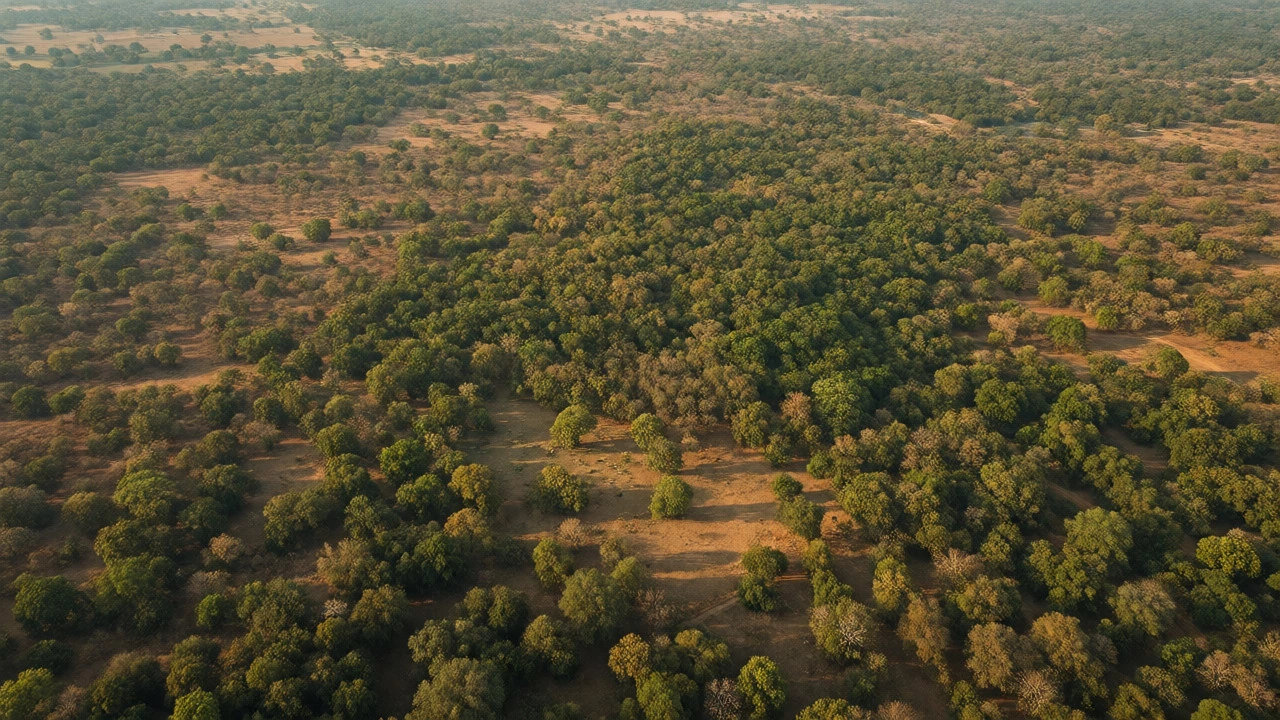
Why does Madhya Pradesh have so many? It comes down to geography and history. The state sits right in the middle of the country, bridging the northern plains and the southern Deccan plateau. This location creates diverse ecosystems-from dry deciduous forests to moist tropical zones-that require separate protection strategies. Historically, many of these areas were royal hunting grounds for Maharajas, who later converted them into sanctuaries rather than allowing industrial development. Today, they serve as critical corridors for animals moving between larger national parks like Kanha and Bandhavgarh.
But here is the catch: having the most sanctuaries doesn’t always mean having the best chance to see big cats. Many of these smaller sanctuaries are fragmented patches of forest. They are vital for local biodiversity, especially for birds and smaller mammals, but they lack the vast contiguous land needed for large predator populations. If your goal is strictly tiger sightings, you might still prefer Rajasthan or Uttarakhand, even though they have fewer total sanctuaries.
Rajasthan and Maharashtra: The Runners-Up
Closely following Madhya Pradesh are Rajasthan and Maharashtra. Both states boast significant numbers, typically ranging between 15 to 20 sanctuaries each. However, their profiles differ drastically.
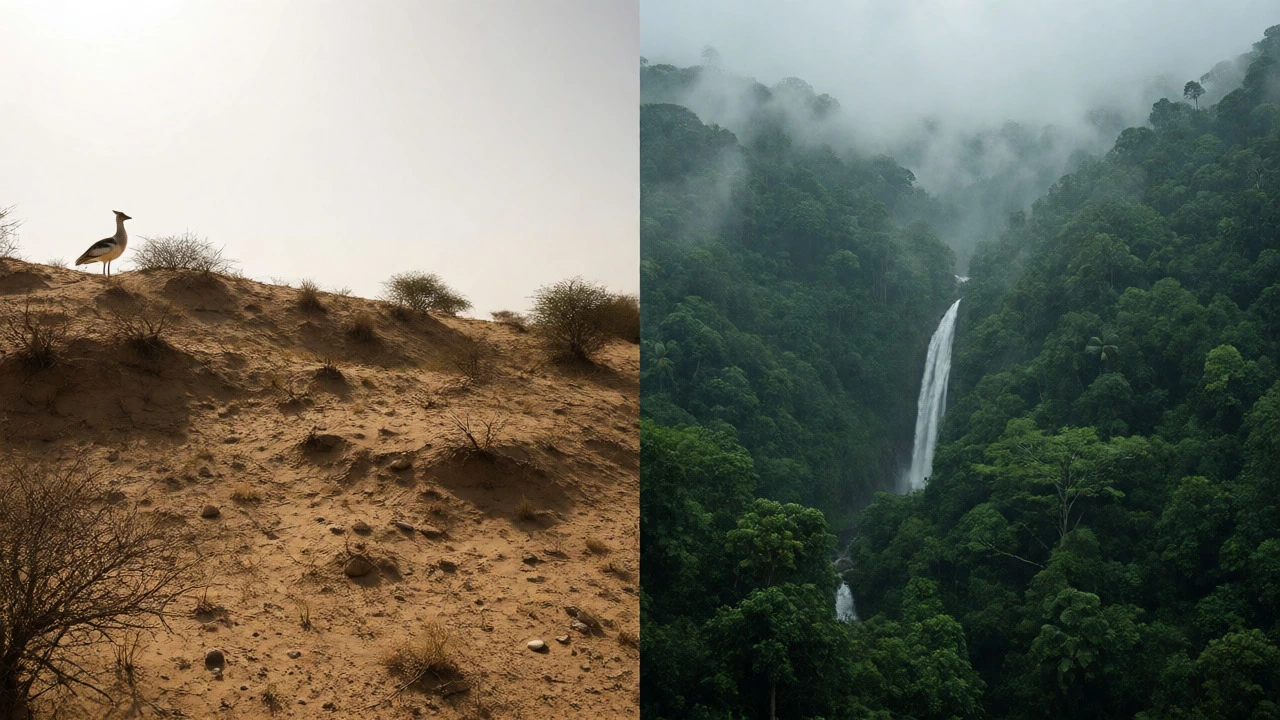
Rajasthan’s sanctuaries are unique because many are located in arid and semi-arid regions. Places like the Desert National Sanctuary near Jaisalmer protect species adapted to harsh conditions, such as the Great Indian Bustard. These areas offer a stark, beautiful contrast to the dense jungles found elsewhere. If you enjoy rugged landscapes and specialized photography opportunities, Rajasthan’s count is impressive, but the experience is niche.
Maharashtra, on the other hand, benefits from the Western Ghats, a UNESCO World Heritage Site. Its sanctuaries, such as the Tadoba Andhari Tiger Reserve (which includes sanctuary zones) and the Koyna Wildlife Sanctuary, are rich in evergreen and semi-evergreen forests. Maharashtra’s high count reflects its commitment to protecting the biodiversity hotspot of the Western Ghats. Travelers here get a mix of misty hills, waterfalls, and dense canopy cover that feels very different from the dry scrublands of Rajasthan.
Understanding the Difference: Sanctuary vs. National Park
Before you book tickets based on counts alone, you need to understand what a "wildlife sanctuary" actually allows. This distinction affects your travel experience significantly.
| Feature | Wildlife Sanctuary | National Park |
|---|---|---|
| Human Activity | Some activities allowed (e.g., grazing, collection of minor forest produce) | Strictly prohibited; no human interference |
| Entry Access | Easier access; fewer permits required | Tighter controls; limited entry points |
| Conservation Goal | Protection of specific species or habitats | Preservation of entire ecosystem |
| Examples | Pench Sanctuary, Ranthambore (partially) | Kanha National Park, Jim Corbett National Park |
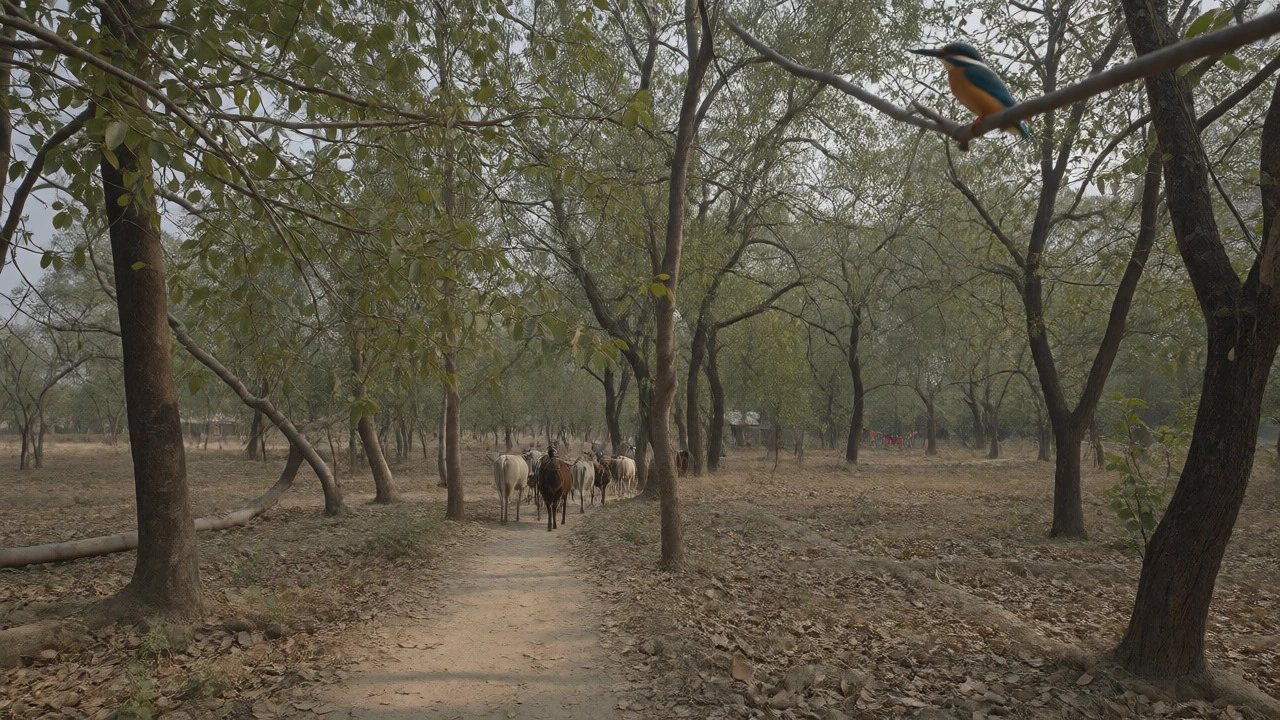
Sanctuaries are generally less restrictive than national parks. You might find villages inside sanctuary boundaries, and local communities often rely on the forest for resources. For a traveler, this means you might encounter more signs of human presence-cattle herders, wood collectors, or small farms. Some visitors love this cultural integration; others prefer the pristine isolation of a national park. Knowing this helps you set realistic expectations before visiting high-count states like Madhya Pradesh.
Regional Breakdown: Where Else to Look
While Madhya Pradesh leads, other regions have surprisingly high concentrations of protected areas relative to their size.
- Kerala: Despite being a small state, Kerala has about 14-16 wildlife sanctuaries. Because the state is densely populated, these sanctuaries are critical refuges. They are well-managed and accessible, making them popular for family trips. The Periyar Wildlife Sanctuary is a prime example, offering boat safaris that are unique in India.
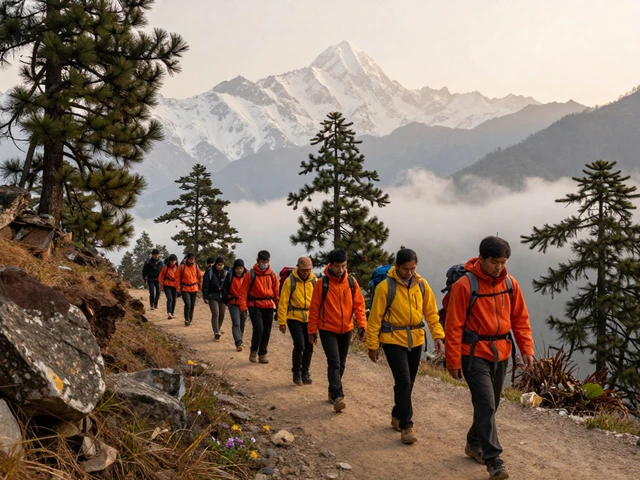
- Uttarakhand: Located in the Himalayan foothills, Uttarakhand has around 7-8 major sanctuaries plus several national parks. The terrain makes these areas challenging to access but incredibly rewarding for trekking enthusiasts. Areas like the Askot Musk Deer Sanctuary offer alpine views alongside wildlife spotting.
- Assam: In Northeast India, Assam has fewer sanctuaries by pure number compared to MP, but they protect iconic species like the One-Horned Rhinoceros. The Kaziranga National Park (which started as a sanctuary) is world-famous. The sanctuaries here are often floodplains, changing dramatically with the seasons.
Notice how the type of landscape dictates the kind of sanctuary you visit. A sanctuary in Kerala is wet and green; one in Rajasthan is dry and open. Your preference for climate and scenery should matter just as much as the sheer number of sites in a state.
Does More Mean Better for Tourists?
This is the million-dollar question. If Madhya Pradesh has the most sanctuaries, is it the best place for wildlife tourism? Not necessarily.
Here is why quantity can be misleading:
- Fragmentation: Many sanctuaries in high-count states are small patches surrounded by agriculture or towns. Animals cannot roam freely, reducing sighting chances.
- Infrastructure Gaps: Some lesser-known sanctuaries lack good roads, lodges, or trained guides. You might spend more time driving on rough tracks than looking for animals.
- Species Density: A single large national park with high animal density often provides better viewing opportunities than five scattered sanctuaries with low densities.
For instance, if you want to see tigers, a single visit to a core zone of a well-established reserve in Madhya Pradesh or Rajasthan beats hopping between three obscure sanctuaries. However, if you are a birder, the high number of sanctuaries in Madhya Pradesh and Kerala is a goldmine. Birds don’t need huge territories, so smaller sanctuaries support incredible avian diversity.
How to Plan Your Trip Based on Sanctuary Counts
Ready to plan? Use this simple decision tree to pick your destination:
Do you want to see Tigers or Big Cats?
Yes → Go to Madhya Pradesh (Kanha/Bandhavgarh) or Rajasthan (Ranthambore). Focus on National Parks within these states.
No → Continue below.
Are you interested in Birdwatching?
Yes → Choose Kerala or Madhya Pradesh. The high number of sanctuaries supports diverse bird populations.
No → Continue below.
Do you prefer Scenic Landscapes and Trekking?
Yes → Head to Uttarakhand or Himachal Pradesh. Fewer sanctuaries, but stunning mountain backdrops.
No → Continue below.
Do you want Unique Ecosystems (Desert/Wetlands)?
Yes → Visit Rajasthan (Desert Sanctuaries) or Gujarat (Wetland Sanctuaries).
Key Takeaways for Travelers
- Madhya Pradesh has the highest number of wildlife sanctuaries in India, driven by historical royal preserves and geographic diversity.
- Rajasthan and Maharashtra follow closely, offering distinct experiences in arid lands and Western Ghats respectively.
- Sanctuaries allow more human activity than National Parks, meaning you may see villages and farming within the protected area.
- High sanctuary counts benefit birdwatchers and those seeking varied micro-habitats, but may not guarantee big cat sightings due to fragmentation.
- Always check current accessibility status; some sanctuaries close during monsoon seasons (June-September), regardless of their popularity.
Which state has the most wildlife sanctuaries in India?
Madhya Pradesh currently holds the record for the highest number of wildlife sanctuaries in India, with over 25 designated areas. This is followed closely by Rajasthan and Maharashtra, each having between 15 and 20 sanctuaries.
Is Madhya Pradesh the best state for wildlife tourism?
It depends on your goals. Madhya Pradesh is excellent for variety and birdwatching due to its numerous sanctuaries. However, for guaranteed tiger sightings, specific national parks in Madhya Pradesh, Rajasthan, or Uttarakhand might be better choices than smaller sanctuaries.
What is the difference between a wildlife sanctuary and a national park?
The main difference is regulation. National Parks have stricter rules with no human habitation or resource extraction allowed. Wildlife Sanctuaries permit some human activities like grazing and collecting forest products, and they focus on protecting specific species or habitats rather than the entire ecosystem.
Which states have the fewest wildlife sanctuaries?
States with very little forest cover, such as Haryana, Punjab, and Delhi, have the fewest wildlife sanctuaries. These areas are heavily urbanized or agricultural, leaving little room for large protected natural zones.
Can I visit all wildlife sanctuaries in Madhya Pradesh in one trip?
No, it would take weeks to visit all 25+ sanctuaries properly. Most tourists choose a circuit covering 2-3 major ones, such as Pench, Satpura, and Kanha, which are relatively close to each other and offer diverse experiences.