India's Heritage Explorer Quiz
Discover the layers of India's rich tapestry by answering these questions based on the article above.
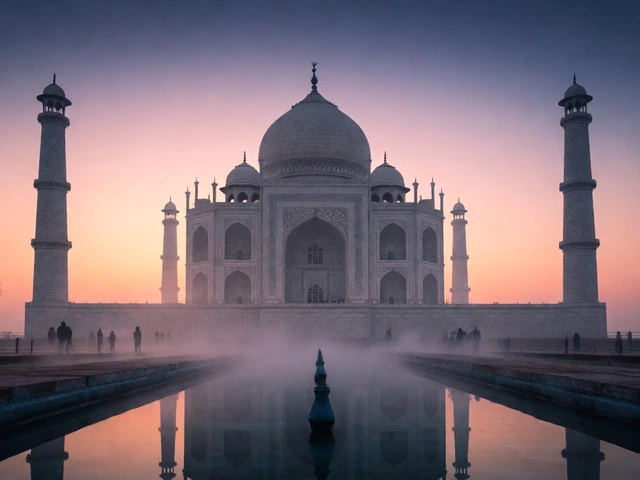
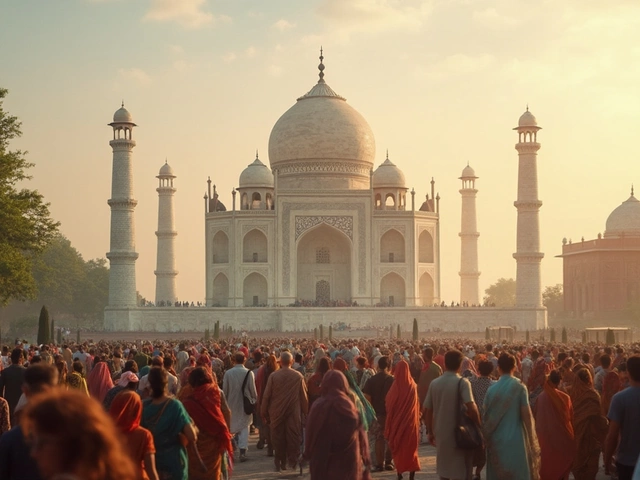
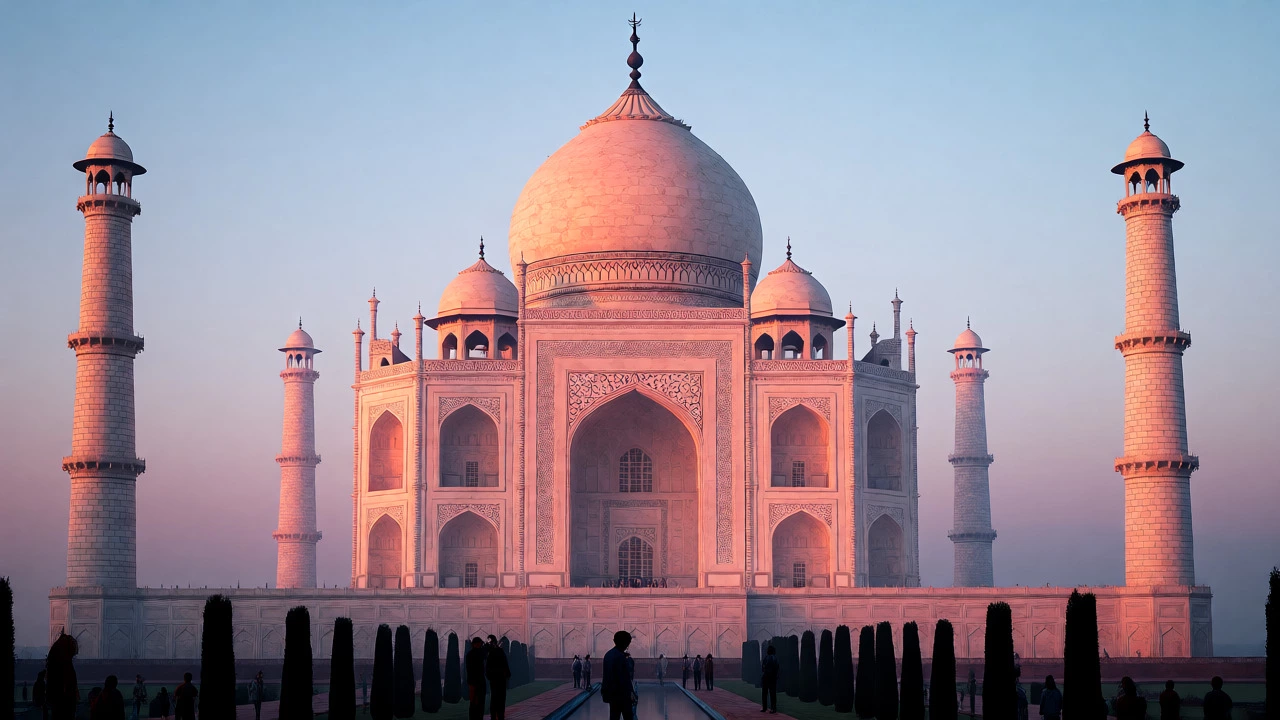
Imagine standing in front of the Taj Mahal at sunrise. The white marble glows pink, then orange, then a soft pearl white. It’s not just a building; it’s a frozen moment of grief and love from the 17th century. But this single monument is barely a footnote in the massive story of India's rich heritage. If you think Indian heritage is just about old temples and dusty forts, you’re missing the point entirely. It’s alive. It’s in the smell of spices hitting hot oil in a Delhi kitchen, the rhythm of a Carnatic violin in Chennai, and the way a grandmother in Kerala folds a banana leaf for her meal.
So, what exactly makes up this vast cultural mosaic? It’s not one thing. It’s thousands of years of layered history, diverse geography, and spiritual depth colliding to create something unique. From the Indus Valley Civilization’s urban planning to the Mughal architectural genius, and from ancient Vedic texts to modern Bollywood cinema, India’s heritage is a living, breathing entity. Let’s break down what this actually looks like on the ground.
The Architectural Marvels That Define History
You can’t talk about heritage without talking about buildings. India has more UNESCO World Heritage Sites than almost any other country in Asia. But why does this matter to you as a traveler or observer? Because these structures tell you how people lived, worshipped, and died centuries ago.
Take the Hampi ruins in Karnataka. This isn’t just a pile of rocks. It was the capital of the Vijayanagara Empire, one of the largest Hindu empires in history. Walking through Hampi feels like stepping into a post-apocalyptic fantasy world where boulders float above granite platforms. The engineering here defies logic. How did they move those massive stones? We still don’t have a complete answer. Compare that to the intricate carvings of the Khajuraho Temples in Madhya Pradesh, known for their erotic sculptures. These aren’t just decorative; they reflect a society where sexuality and spirituality weren’t opposites but partners.
Then there’s the colonial layer. You see British Gothic Revival architecture in Mumbai’s Chhatrapati Shivaji Maharaj Terminus, which looks like a Harry Potter set mixed with Victorian London. Or look at Pondicherry, where French colonial villas sit next to Tamil shrines. This architectural hybridity is a core part of India’s identity. It shows that India didn’t just exist in isolation; it absorbed influences from Persia, Portugal, Britain, and France, and made them its own.
Spiritual Pluralism: More Than Just Religion
If architecture is the body of India’s heritage, spirituality is its soul. And it’s messy. India is the birthplace of four major world religions: Hinduism, Buddhism, Jainism, and Sikhism. But it’s also home to some of the oldest Muslim, Christian, Jewish, and Zoroastrian communities in the world.
This coexistence isn’t always peaceful, but it’s persistent. In Varanasi, you’ll see Hindu priests performing fire rituals on the ghats while tourists take boat rides past them. A few kilometers away, Sarnath marks where Buddha gave his first sermon. This geographic proximity creates a unique spiritual tourism landscape. You don’t have to be religious to feel the weight of it. The energy is palpable.
| Tradition | Key Heritage Site | Significance |
|---|---|---|
| Hinduism | Varanasi (Uttar Pradesh) | Oldest living city; center of worship and cremation rituals |
| Buddhism | Sanchi Stupa (Madhya Pradesh) | One of the oldest stone structures in India; Buddhist relics |
| Jainism | Dilwara Temples (Rajasthan) | Marble intricacy; symbol of non-violence and asceticism |
| Sikhism | Golden Temple (Amritsar) | Center of Sikh faith; serves free meals to 100k+ daily |
| Islam | Qutub Minar (Delhi) | Tallest brick minaret; symbol of early Islamic rule in India |
The Golden Temple in Amritsar is a perfect example of this heritage in action. It’s not just a place of prayer. The Langar (community kitchen) feeds up to 100,000 people a day, regardless of caste, creed, or religion. That’s heritage functioning as social welfare. It’s tangible proof that spiritual values translate into real-world impact.
Languages and Literature: The Oral Tradition
Here’s a stat that blows minds: India has 22 officially recognized languages, but over 1,600 dialects are spoken across the country. Most outsiders think Hindi is the national language. It’s not. English and Hindi are official union languages, but states have their own official tongues. Tamil, for instance, is one of the longest-surviving classical languages in the world, with literature dating back over 2,000 years.
This linguistic diversity shapes heritage. When you read the Ramayana in Bengali, it sounds different than when you hear it recited in Telugu. The stories change slightly, reflecting local customs. This oral tradition is crucial. Before printing presses, knowledge was passed down through songs, chants, and storytelling. Even today, rural India relies heavily on oral transmission of folk tales, medical knowledge, and agricultural techniques.
Consider the epic Mahabharata. It’s not just a book; it’s a cultural operating system. Phrases from it appear in everyday conversation. Concepts like Dharma (duty/righteousness) and Karma (action/consequence) are woven into legal systems, ethical debates, and personal decision-making. Understanding these concepts helps you decode Indian behavior in business and family settings.
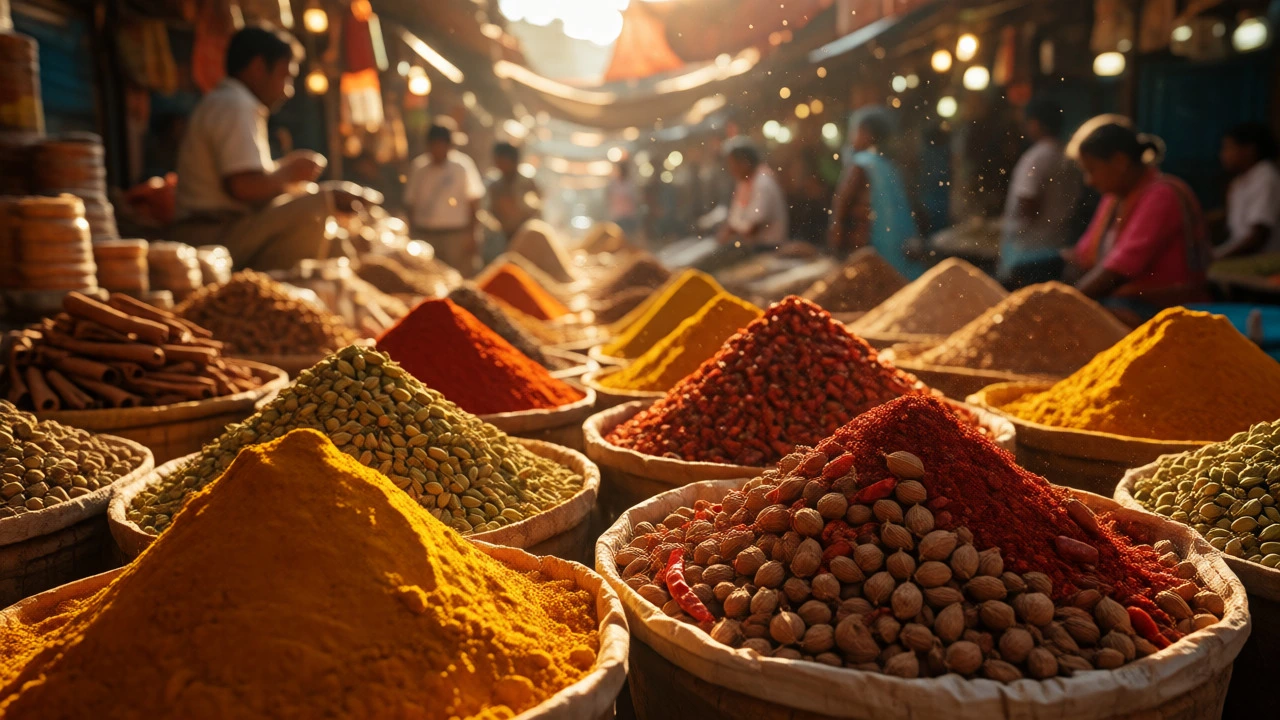
Culinary Heritage: Food as Identity
You haven’t experienced Indian heritage until you’ve eaten it. Food in India isn’t just fuel; it’s medicine, ritual, and community. The Ayurvedic principle of balancing six tastes-sweet, sour, salty, bitter, pungent, and astringent-in every meal guides traditional cooking. This isn’t just culinary preference; it’s a health philosophy rooted in ancient texts.
Regional differences are stark. North Indian food uses dairy heavily-ghee, paneer, yogurt-reflecting pastoral traditions. South Indian cuisine leans on rice, lentils, and coconut, suited to the tropical climate. Coastal regions eat seafood; arid Rajasthan eats dried beans and milk products because water is scarce. This adaptability is heritage. It shows how cultures survive by leveraging local resources.
Spices play a central role. Turmeric isn’t just a yellow powder; it’s an antiseptic used in ceremonies. Cardamom isn’t just for flavor; it’s a digestive aid. When you buy spices at a market in Old Delhi, you’re buying fragments of medicinal history. The spice trade even drove European exploration of India. Vasco da Gama didn’t come for the scenery; he came for pepper and cinnamon. So, your curry dinner connects you directly to global economic history.
Performing Arts: Dance, Music, and Theater
Indian classical dance forms like Bharatanatyam, Kathak, and Odissi are more than entertainment. They are visual storytelling mediums. Each hand gesture (mudra) has a specific meaning. A raised palm might mean "stop," while a curled finger could indicate a flower. These dances often depict mythological stories, keeping ancient narratives alive through movement.
Music is equally complex. Hindustani music (North) and Carnatic music (South) are distinct systems. Both rely on Raga (melodic framework) and Tala (rhythmic cycle). Improvisation is key. Two musicians playing the same raga will sound completely different. This emphasis on individual expression within a structured framework mirrors Indian societal values: respect for tradition, but room for personal interpretation.
Folk theater, like Yakshagana in Karnataka or Bhand Pather in Kashmir, combines dance, music, and dialogue. These performances often address contemporary social issues using historical metaphors. It’s interactive heritage. Audiences shout back at actors. It’s not a passive museum experience; it’s a dialogue between past and present.
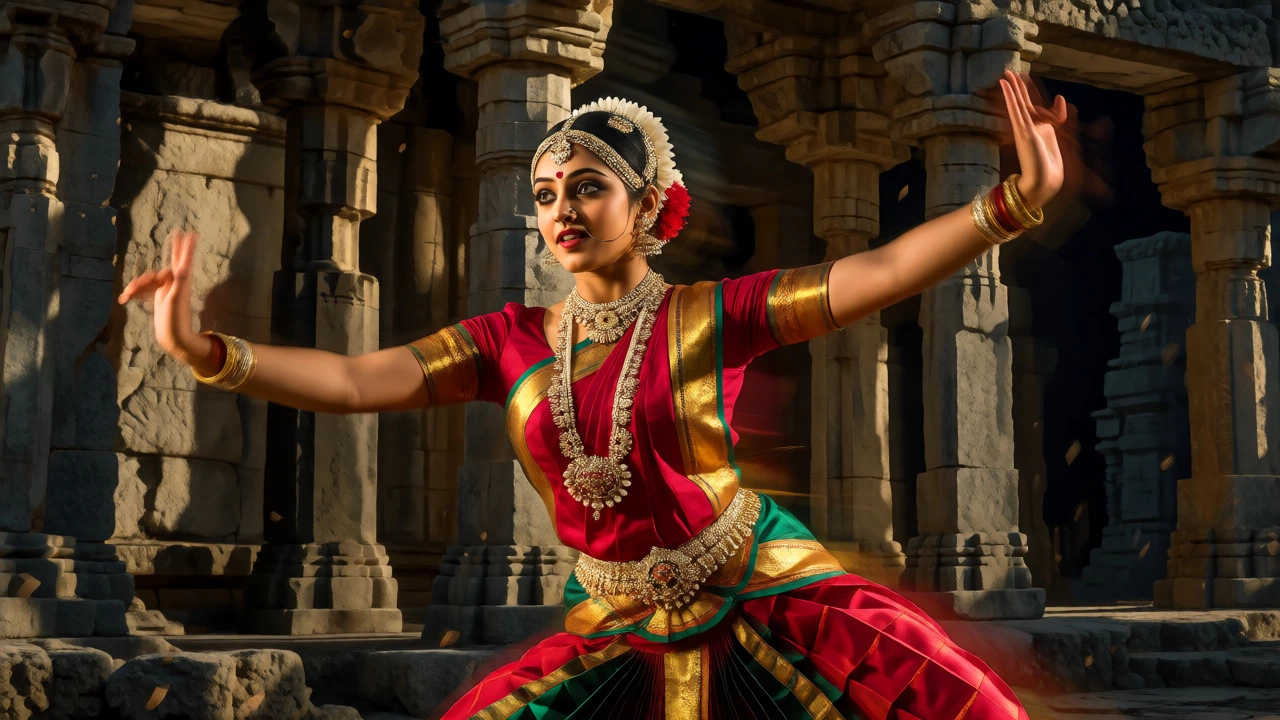
Textiles and Craftsmanship: Wearing History
Look closely at an Indian sari or kurta. You might see Banarasi silk from Uttar Pradesh, known for gold thread work. Or Kanchipuram silk from Tamil Nadu, famous for heavy borders. Each region has specialized crafts. Bhujodi shawls from Gujarat use natural dyes. Bandhani ties from Rajasthan involve tying fabric before dyeing to create patterns.
These crafts face threats from fast fashion. Machine-made imitations flood markets. But authentic handloom textiles support millions of artisans. Buying genuine Indian handicrafts preserves skills passed down for generations. The Pashmina shawl, for example, requires weeks of hand-spinning and weaving. One shawl can contain thousands of knots. When you wear it, you’re wearing hours of human labor and skill.
Preserving this heritage isn’t just about nostalgia. It’s economic sustainability. Artisan clusters provide livelihoods in rural areas. Government initiatives like the Geographical Indication (GI) tags help protect authenticity. If you’re buying souvenirs, look for GI tags. It ensures you’re supporting the actual originators, not middlemen selling mass-produced knockoffs.
Modern Challenges to Heritage Preservation
It’s not all romantic sunsets and ancient wisdom. Urbanization threatens heritage. Cities like Delhi and Mumbai are expanding rapidly. Historic neighborhoods get demolished for skyscrapers. The Chandni Chowk area in Delhi, once a vibrant hub of Mughal-era commerce, struggles with congestion and decay. Balancing development with preservation is a constant battle.
Climate change poses another risk. Rising sea levels threaten coastal heritage sites like the Konark Sun Temple in Odisha. Flooding damages manuscripts and temple foundations. Pollution accelerates the erosion of stone monuments. The Taj Mahal’s marble is turning yellow due to air pollution. Conservation efforts are ongoing, but funding and political will are often lacking.
Yet, digital archiving offers hope. Projects like the Indian Digital Heritage initiative scan artifacts and create virtual museums. You can explore Hampi online from Sydney. This accessibility keeps interest alive globally. It also allows researchers to study details invisible to the naked eye.
Why Does This Matter to You?
Understanding India’s heritage helps you navigate its complexities. Why do Indians greet with Namaste? Because it acknowledges the divine in everyone-a concept rooted in Vedanta philosophy. Why is family so central? Because joint family structures were historically economic units for agriculture. Why is negotiation common in markets? Because barter systems dominated for millennia.
When you grasp these roots, interactions become smoother. You understand the context behind behaviors that might seem confusing otherwise. It transforms travel from sightseeing to connection. You stop being a tourist and start being a participant.
How many UNESCO World Heritage Sites are in India?
As of late 2024, India has 42 UNESCO World Heritage Sites. This includes cultural sites like the Taj Mahal, natural sites like the Western Ghats, and mixed sites like the Sundarbans. This places India among the top countries globally for total number of sites.
Is Indian heritage only about Hindu culture?
No. While Hinduism is predominant, Indian heritage is deeply pluralistic. It includes significant contributions from Islam (Mughal architecture), Buddhism (Sanchi, Ajanta caves), Sikhism (Golden Temple), Jainism (Dilwara temples), Christianity (Goa churches), Judaism (Cochin Jews), and Zoroastrianism (Parsis).
What is the best way to experience Indian heritage for a beginner?
Start with the "Golden Triangle" tour covering Delhi, Agra, and Jaipur. This gives you a mix of Mughal, Rajput, and colonial history. Visit the Red Fort in Delhi, the Taj Mahal in Agra, and Amber Fort in Jaipur. Pair this with trying regional cuisines to engage multiple senses.
How does language affect Indian heritage?
Language is a primary carrier of heritage. With 22 official languages and hundreds of dialects, literature, folklore, and songs vary significantly by region. Tamil, Sanskrit, and Urdu have rich literary traditions that shape cultural identity. Language barriers can exist, but English serves as a bridge in urban areas.
Are Indian crafts dying out?
They face challenges from industrialization, but many are thriving due to government support and consumer demand for authentic goods. Initiatives like GI tags and e-commerce platforms help artisans reach global markets. Handloom weavers and potters remain vital parts of the rural economy.