Cultural Fit Finder
Answer these questions to find out which country aligns best with your ideal cultural experience.
You ask which country has the best culture in the world. That is a trick question. There is no single winner. Culture isn't a sport with a scoreboard. It is a living, breathing collection of traditions, food, art, and daily habits. But if you are looking for depth, variety, and intensity, India consistently ranks at the top for travelers who want to feel something real.
Why does this debate even exist? Because "culture" means different things to different people. For some, it is about ancient temples and silent meditation. For others, it is about loud street markets, spicy food, and chaotic festivals. When we look at global rankings from UNESCO and major travel indices, certain countries dominate not because they are "better," but because their cultural footprint is massive and visible.
Defining What Makes a Culture "The Best"
Before picking a favorite, you need to define your criteria. Are you chasing history? You might love Italy or Egypt. Do you want spiritual immersion? India or Thailand might win. If you prefer social harmony and etiquette, Japan often takes the crown.
Cultural richness usually comes down to three pillars:
- Continuity: How long have these traditions survived? India’s Vedic traditions are over 3,000 years old. China’s written history spans millennia.
- Diversity: Does one region look like another? In India, the north differs wildly from the south. Language, food, and dress change every few hundred kilometers.
- Lived Experience: Is culture just in museums, or do people live it? In many Western countries, heritage is preserved behind glass. In India, culture happens on the street corner.
This distinction matters. If you want to observe culture, go to Europe. If you want to participate in it, head to Asia.
India: The Case for Unmatched Diversity
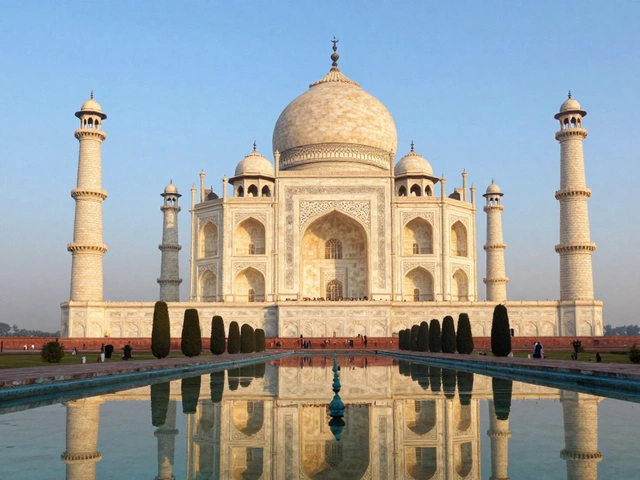
Let’s talk about India. It holds the strongest claim to having the most complex culture on Earth. Why? Because it defies simple categorization. India is home to four major world religions-Hinduism, Buddhism, Jainism, and Sikhism-and hosts significant populations of Muslims, Christians, and Zoroastrians.
The linguistic diversity alone is staggering. India recognizes 22 official languages, but there are hundreds of dialects. Walking through Mumbai, you hear Hindi, Marathi, Gujarati, and English all within ten minutes. This creates a cultural tapestry that feels endless.
| Country | UNESCO Sites | Primary Cultural Driver | Best For |
|---|---|---|---|
| Italy | 59 | Renaissance Art & History | Museum lovers & Foodies |
| China | 57 | Ancient Philosophy & Imperial History | History buffs & Architecture fans |
| India | 42 | Spirituality, Festivals & Diversity | Immersive travelers & Spiritual seekers |
| Japan | 25 | Tradition meets Modernity | Etiquette enthusiasts & Nature lovers |
Notice the site count. Italy and China have more UNESCO sites. But numbers don’t tell the whole story. India’s culture is less static. It changes with the seasons. Diwali lights up homes nationwide. Holi turns streets into paint factories. These aren’t tourist shows; they are genuine expressions of joy and faith.
Italy: The Museum Without Walls
If India is chaos, Italy is curated beauty. Italy holds the most UNESCO World Heritage Sites in the world. Rome alone is an open-air museum. You can touch stones laid by emperors two thousand years ago.
Italian culture revolves around aesthetics and pleasure. The concept of "La Dolce Vita" isn’t just a slogan; it’s a lifestyle. Italians prioritize food quality, family gatherings, and slow living. Their influence on global art is undeniable. Michelangelo, Da Vinci, and Raphael changed how humans see themselves.
But here’s the catch: Italian culture can feel distant to outsiders. It is polished. It expects you to admire it quietly. If you want to shout, dance, and eat with your hands, Italy might feel too formal compared to the warmth of South Asia.

Japan: Harmony and Precision
Japan offers a different kind of excellence. It blends ancient tradition with futuristic technology seamlessly. You can visit a 1,000-year-old shrine in Kyoto in the morning and ride a bullet train at 300 km/h in the afternoon.
Japanese culture values respect, order, and subtlety. The tea ceremony, Ikebana flower arrangement, and Zen gardening all teach mindfulness. Travelers often find Japan safe and clean, which reduces stress. However, the language barrier and strict social rules can make it hard to connect deeply with locals quickly.
Is it the "best"? For those who value peace and precision, yes. For those seeking spontaneous human connection, maybe not.
Why Cultural Tourism Works Differently in Each Place
Your experience depends on how you engage. In Europe, cultural tourism is often passive. You buy a ticket, walk through a gallery, and read placards. In India, cultural tourism is active. You are invited into homes. Strangers ask about your life. You share meals with families you’ve never met.
This difference stems from social structures. Individualistic societies (like the US or UK) keep private lives separate from public spaces. Collectivist societies (like India, China, and many African nations) blur those lines. Your presence becomes part of the local rhythm.
Consider food. In France, dining is a structured event. Courses arrive in order. Conversation is polite. In India, eating is communal. Hands are used as utensils. Flavors clash and combine boldly. There is no rigid script. This makes Indian cuisine more accessible to adventurous eaters but potentially overwhelming for purists.

Other Strong Contenders You Should Not Ignore
While India, Italy, and Japan dominate headlines, other countries offer profound cultural experiences.
Greece gave us democracy and philosophy. Walking Athens feels like walking through the birthplace of Western thought. Egypt remains unmatched for sheer scale of ancient achievement. The Pyramids still baffle engineers today.
Peru preserves Incan traditions alongside Spanish colonial influences. The blend creates unique festivals and textiles found nowhere else. Morocco offers a sensory overload of souks, spices, and Islamic architecture. Its proximity to Europe makes it a gateway to African and Arab cultures.
Each of these places answers the question "which country has the best culture" differently. Greece wins for intellectual heritage. Egypt for monumental awe. Peru for indigenous resilience. Morocco for sensory richness.
How to Choose Your Next Cultural Destination
Stop looking for a definitive ranking. Start asking yourself what you need right now.
- Choose Italy if: You want comfort, recognizable landmarks, and world-class wine. You appreciate art history and prefer organized tours.
- Choose Japan if: You seek tranquility, cleanliness, and efficient transport. You are interested in minimalism and craftsmanship.
- Choose India if: You want transformation. You are ready for sensory overload, deep spiritual questions, and human connection. You don’t mind discomfort in exchange for authenticity.
- Choose Egypt/Greece if: You are a student of history. You want to stand where pivotal moments happened.
There is no objective "best." There is only the best fit for your personality. Some travelers return from Paris feeling enriched by beauty. Others return from Varanasi feeling changed by mortality. Both are valid outcomes of cultural travel.
Practical Tips for Deep Cultural Engagement
Regardless of where you go, shallow tourism yields shallow results. To truly understand a culture, you must break routine.
Learn basic phrases. Saying "thank you" in the local language opens doors. In India, "Namaste" or "Shukriya" earns smiles. In Japan, "Arigato" shows respect.
Eat where locals eat. Skip restaurants with English menus featuring photos. Follow the crowd. Street food is often safer and tastier than hotel buffets.
Participate, don’t just watch. Join a cooking class. Attend a local wedding if invited. Visit a temple during prayer time, not just tourist hours.
Respect local norms. Dress modestly in religious sites. Remove shoes when required. Ask before taking photos of people. Small gestures show you care about their culture, not just their scenery.
Ultimately, the "best" culture is the one that challenges your assumptions. It forces you to rethink your own values. Whether that happens in a Kyoto garden or a Delhi market depends entirely on your openness to the experience.
Which country has the most UNESCO World Heritage Sites?
As of recent data, Italy holds the highest number of UNESCO World Heritage Sites, followed closely by China. These sites represent locations of outstanding universal value, including historical cities, natural wonders, and archaeological complexes.
Is India considered to have the best culture in the world?
"Best" is subjective. However, India is frequently cited as having the most diverse and continuous culture due to its thousands of years of unbroken history, vast linguistic variety, and deep spiritual traditions that remain actively practiced in daily life.
What is the difference between cultural tourism and regular tourism?
Regular tourism often focuses on leisure, relaxation, and sightseeing. Cultural tourism prioritizes learning about and participating in the traditions, arts, history, and lifestyle of local people. It involves deeper engagement, such as attending festivals, trying traditional foods, and visiting historical sites with context.
Why is Japanese culture often ranked highly?
Japan is praised for its unique ability to preserve ancient traditions while embracing modern technology. Visitors appreciate the emphasis on respect, cleanliness, safety, and aesthetic precision, which creates a harmonious and predictable environment that contrasts with many other destinations.
Can I experience authentic culture without speaking the local language?
Yes, but it requires effort. Non-verbal communication, gestures, and shared activities like eating or dancing help bridge gaps. Learning key phrases and showing respect for customs significantly enhances interaction, even if conversation is limited. Many cultures value hospitality and patience over linguistic fluency.